
The author is a homeopath based in Kuwait
Recently, I came across a case of a diabetic husband and wife, both on medications to control blood sugar, but with strikingly different experiences. While the man was able to maintain relatively stable blood glucose level, as for the lady, weight gain, mood swings and poor diabetes control had become a struggle. Yes, as a woman, your story of diabetes will be different from men. Yes, you may find managing your blood glucose, insulin resistance and hormones difficult. Yes, your diabetes will face the challenges of puberty, pregnancy and menopause. Because for women, diabetes is more than just managing blood glucose; the hormonal changes, reproductive health, pregnancy and increased risk of complications are additives to complexity.
Why women suffer differently?
Unlike men, women’s bodies are not just influenced by insulin and glucose, but the female hormones, estrogen and progesterone also contribute to the metabolism of glucose, fat storage and insulin function. This explains why women suffer differently. Fluctuations in these hormones seen during menstrual cycle and the stages of life keep changing the insulin sensitivity. For instance, higher blood glucose levels are experienced before menstruation owing to high progesterone led insulin resistance. Therefore, management of blood sugar becomes even more complicated.
Puberty is itself a period of transient insulin resistance. Further, studies show poor glucose control at the time of menstruation. Low activity in adolescent girls, different body composition due to comparatively more adipose tissue and eating disorders linked with body image during puberty change the outcome of diabetes in females.
Not just hormones, delay in diagnosis and treatment in women due to socio cultural norms of low priority to healthcare also change how the disease responds. Many women keep living with diabetes thinking the common symptoms – fatigue, weight loss, increased thirst and hunger as nothing serious to be taken care of. Hence, the complications have already started by the time the condition is diagnosed. As for complications, women are at higher risk of developing heart and kidney disease, neuropathy, retinopathy, cataract, blindness and osteoporosis secondary to diabetes.
Pregnancy and Diabetes
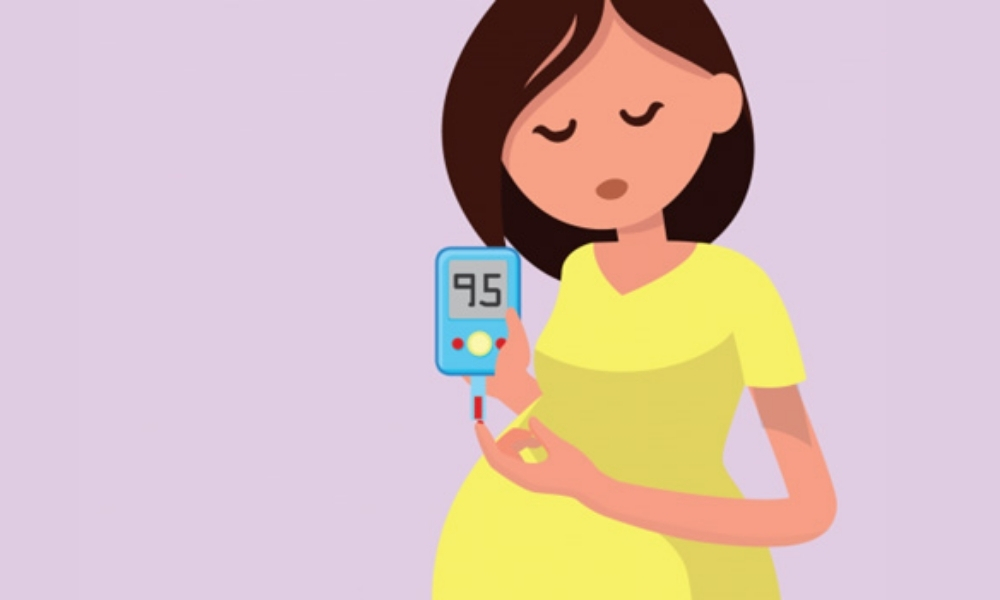
Women with diabetes need special care during pregnancy due to risk for both mother and baby. For the mother the risk of hypertension and cesarean delivery increases. Additionally, there is a greater chance for her to get diabetes later in life. Babies born to these mothers are overweight and face complications during birth. These babies are prone to obesity and diabetes as adults.
The effect of pregnancy hormones and increased metabolic demands of growing fetus alter glucose metabolism and insulin sensitivity. Many women often get diagnosed with diabetes for the first time during pregnancy, a condition known as Gestational Diabetes Mellitus, GDM. 1 in 6 pregnant women worldwide suffer from GDM (International Diabetes Association, 2025). Though, this condition improves after childbirth but the effects for both mother and baby last far beyond. Breastfeeding is considered helpful in reducing the risk of developing diabetes following GDM.
Diabetes also affects fertility. Women with diabetes have lower chances of getting pregnant, high risk of miscarriage and still birth.
PMOS and Diabetes
Polyendocrine metabolic ovarian syndrome (PMOS), earlier known as PCOS (polycystic ovarian syndrome) is a hormonal disorder with increased androgens (male hormones) and insulin resistance. It is associated with increased risk of obesity, diabetes and hypertension. The excess androgens in PMOS cause the development of insulin resistance. Excess insulin signals for more androgens and the cycle goes on causing weight gain and obesity. About half of women suffering from PMOS develop diabetes by the age of 40. For a woman living with PMOS, managing blood glucose and weight gain becomes a trouble even with conscious efforts.
Diabetes and Menopause
The age around 45 to 50 years marks the end of reproductive life. Falling estrogen levels during menopause bring on the risk of weight gain along with insulin resistance. All these factors increase the chances of developing diabetes at this age.
Long-term complications of Diabetes in Women
Uncontrolled diabetes poses a serious threat to everyone’s health but for women, the complications are particularly severe. Women with diabetes have a higher risk of getting heart attacks and stroke. Other complications include:
Diabetic nephropathy causes chronic kidney disease and even kidney failure.
Diabetic retinopathy causes eye damage, cataract, and loss of eyesight.
Diabetic neuropathy can cause tingling, numbness, pain and loss of sensation.
Osteoporosis and fractures
Psychological effect
Living with diabetes does not affect just the body but the mind too. Women being emotionally vulnerable experience greater mental strain due to the constant burden of checking blood glucose, managing diet, exercise and medications. Inability to fit in due to weight gain and unideal body image adds to this psychological toll. Our society needs to understand this often-neglected emotional dimension associated with chronic diseases.
Prevention of Diabetes among Women
Prevention is always better than cure. Diabetes in women can be easily prevented by developing a healthy lifestyle and motivating women to prioritize their health. Awareness is the key to a better approach towards management. Women must know the risk factors – PMOS, positive family history, prior gestational diabetes for early screening and lifestyle modifications to prevent development of diabetes. For early diagnosis, correct knowledge of symptoms – increased hunger, urine, thirst; tiredness, slow healing is necessary. Regular blood glucose checkups should be done for those at high risk.
3-point Management Plan
Nutrition matters: Diabetic medications require pairing with an adequate nutrition plan to provide recommended values of calories, proteins, carbohydrates, vitamins and other nutrients. Focus should be given to foods which provide a variety of plant and animal-based proteins. Fish, chicken, eggs, soya products, quinoa, lentils, legumes, cottage cheese, yoghurt should be taken in combination of carbohydrates to make the meal balanced. The type of carbohydrate also demands attention. Complex carbohydrates such as whole grains, legumes, whole wheat, multigrain bread should replace the simple carbs completely. Refined flour, sugar, pasta, potatoes, white rice, cookies, white bread, bakery items must be eliminated from diet. Low GI fruits and vegetables should be consumed to meet micronutrient requirements. Oats, wholegrains, unpeeled fruits and vegetables, legumes, and whole pulses make the diet high in fiber and help to reduce the glucose spikes following meals. Fatty foods need restrictions to prevent dyslipidemia, weight gain and insulin resistance.
Active lifestyle: Weight gain worsens insulin resistance and makes diabetes management difficult. Hence, physical activity in the form of walking, swimming, jogging, strength training and yoga is necessary to keep weight in control. A structured exercise routine of 45- 60 minutes a day should be followed.
Stress management: Stress control is necessary to keep cortisol in check. Along with undisturbed 7-8 hours’ sleep, engage in meditation and relaxing activities.
In conclusion, diabetes in women is usually associated with other metabolic conditions making the management troublesome. However, lifestyle modifications give better and long-lasting effects in treatment and prognosis. Better glucose control is seen in those who keep an eye on their plate, movement and sleep along with timely medicines. Remember, good results always demand consistency, patience and effort.
DID YOU KNOW?
Lifting weights may help protect against diabetes. In a Harvard study that followed nearly 100,000 women for eight years, those who did at least 150 minutes of aerobic activity and 60 minutes of muscle-strengthening a week were about a third as likely to develop type 2 diabetes as inactive women.
Source: Grøntved et al., PLOS Medicine (January 2014), via Harvard’s news release and IDEA Health & Fitness Association.
0 Comments