
The author is a freelance writer & former content writer from Noida.
Why does the line between humans and animals matter more than ever?
We share our planet with trillions of animals, everywhere, including domesticated, wild, and in between. But what if the next global health crisis isn’t just out there in the wild? What if it’s already at home, and even our pets?
Every year on 6th July, the world observes ‘World Zoonosis Day’; A day to raise awareness about zoonotic diseases, infections that jump from animals to humans. It’s a reminder of how deeply intertwined our lives are with the animal kingdom and how fragile that connection can be. They’re Wake-up calls.
World Zoonosis Day falls on July 6th each year, commemorating the day Louis Pasteur successfully administered the first rabies vaccine in 1885 to a boy bitten by a rabid dog; a breakthrough that changed medicine forever. But here’s what makes this day more urgent than a history lesson: about 75% of new infectious diseases that emerge today jump from animals to humans. That’s not a distant threat. That’s happening now.
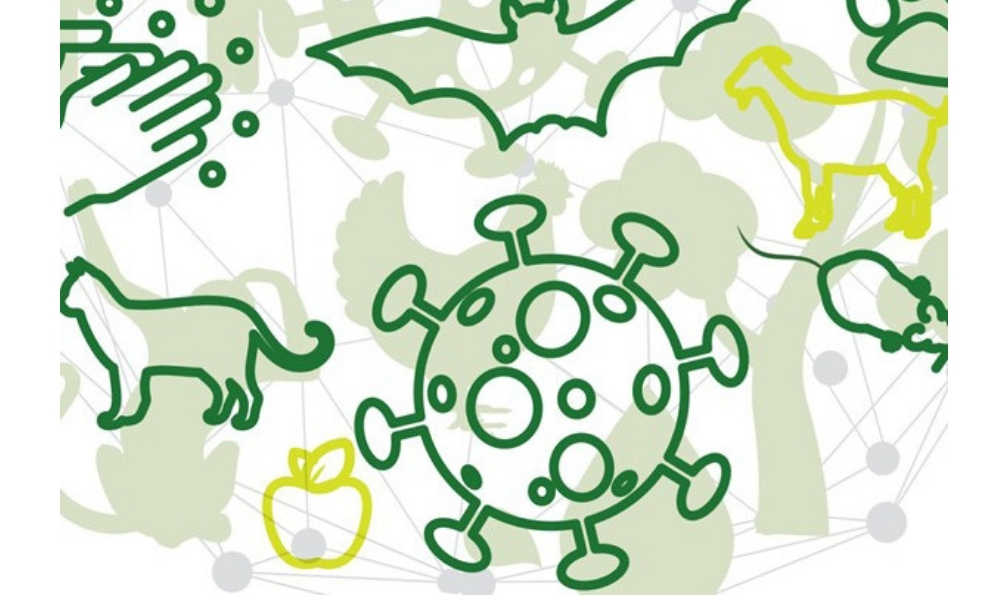
Understanding the Animal-Human Health Link to Preventing Zoonotic Diseases
Zoonotic diseases are caused by pathogens that can be transmitted from animals to humans. These pathogens can be bacteria, viruses, parasites, or fungi.
Zoonotic Diseases, or zoonoses, are infections that naturally spread from animals to humans, not in distant laboratory scenarios but in everyday life. Common examples include:
• Rabies: Transmitted through the saliva of infected animals, primarily through bites.
• Ebola: Originating from bats and transmitted to humans through contact with infected animals or surfaces.
• COVID-19: Initially transmitted from animals to humans, with bats and pangolins being primary reservoirs.
• Lyme disease: Caused by the bacterium Borrelia burgdorferi, transmitted through the bite of infected ticks.
• Hantavirus: Transmitted through contact with rodent droppings or urine.
The Invisible Chain of Infection
Causes and Transmission
Zoonosis doesn’t need a passport; they spread through bite, touch, air we breathe, the food we eat, and use this as a pathway.
How they spread, the invisible pathways
A tick bites a deer. The tick bites you. Suddenly, you have Lyme disease. A bat’s virus finds its way into a wildlife market. Months later, the world is locked down. A chicken farm with poor hygiene becomes a breeding ground for avian flu. The mechanism is simple; the consequences are not.
It’s not a bite. Transmission happens in sneaky ways:
Direct Contact: Zoonotic diseases can be transmitted through direct contact with infected animals, such as through bites, scratches, or contact with bodily fluids.
Indirect Contact: Zoonotic diseases can also be transmitted through indirect contact with infected animals, such as through contaminated food, water, or surfaces.
Vector-borne: Some zoonotic diseases are transmitted through vectors such as mosquitoes, ticks, and fleas, which can carry the pathogens and transmitted to humans.
Fecal- Oral Route: Zoonotic Diseases can be transmitted through the fecal route, where humans ingest contaminated food or water that carries the pathogen.
Aerosol Transmission: Some zoonotic diseases can be transmitted through air, such as through respiratory droplets or aerosol, which can carry the pathogen and infect humans.
Environmental Exposure: We breathe contaminated dust, touch contaminated soil, and swim in contaminated water. And, Histoplasmosis from the bird droppings causes an infection that affects the lung and then spreads to other organs. Same like dangerous Legionella bacteria from water systems like human-made warm water systems –cooling towers, hot tubs, decorative fountains, etc., can cause severe forms of pneumonia.
We call them zoonotic diseases, but really, they’re the cost of forgetting that we are animals too, living on a planet full of them.
The scariest part is we’re making it worse.
“We didn’t cause every outbreak, but our choices made them possible.”
The Numbers Don’t Lie
• 60% of all known infectious diseases in humans originated in animals.
• 75% of emerging diseases are zoonotic.
• One new zoonotic disease emerges every month.
• 2.5 billion people live in outbreak hotspots.
• COVID-19 wasn’t a freak accident. It was a warning we chose to forget.
How does Spillover happen? The leap from animal to human requires three things: a pathogen, a bridge, and an opportunity! So, what most miss is that the animals aren’t the problem. We are.
Why Now? Why This Matters
We’re living through a perfect storm for zoonotic disease emergence:
• Habitat destruction. When we clear forests for farms or development, wildlife populations compress into smaller areas. Stressed and crowded animals shed more pathogens. Humans move into those spaces. The collision happens.
• Global travel. A virus in Southeast Asia is in New York within 24 hours. What used to be a regional outbreak is now a pandemic waiting to happen.
• Climate change. Warmer temperatures expand the range of disease-carrying insects like mosquitoes and ticks. Diseases that stayed in tropical regions now creep northward.
• Industrial farming: Thousands of chickens packed into sheds. Cows are standing in their own waste. These conditions amplify the disease. One sick animal infects thousands. Thousands become millions in the supply chain.
The Diseases You Should Know About
• COVID-19: Likely originated in wildlife, jumped to humans, and locked down the world for years.
• Ebola: Transmitted through contact with fruit bats and other animals; horrifying mortality rates.
• Avian Flu (H5N1): Spreads through poultry; occasionally infects humans with severe outcomes.
• Monkey pox: Once rare; now spreading globally, transmitted through close contact with infected animals or people.
• Dengue: Mosquitoes infected by monkeys and other primates spread it to humans; affects 400 million annually.
• Lyme Disease: Ticks from deer and rodents; increasingly common in suburban areas.
• Rabies: Transmitted through bites from infected animals; nearly 100% fatal if untreated.
The One Health Solution: We’re all in this Together
The good news is we can break the chain. World Zoonosis Day champions the ‘One health approach’ that is a global strategy recognizing that humans, animals and environmental health are inseparable.
Here’s how it works:
• Surveillance: Track diseases in animals before they jump to humans.
• Prevention: Vaccinate pets, control wildlife trade, and improve farm hygiene.
• Collaboration: Doctors, veterinarians, and ecologists must work as one team.
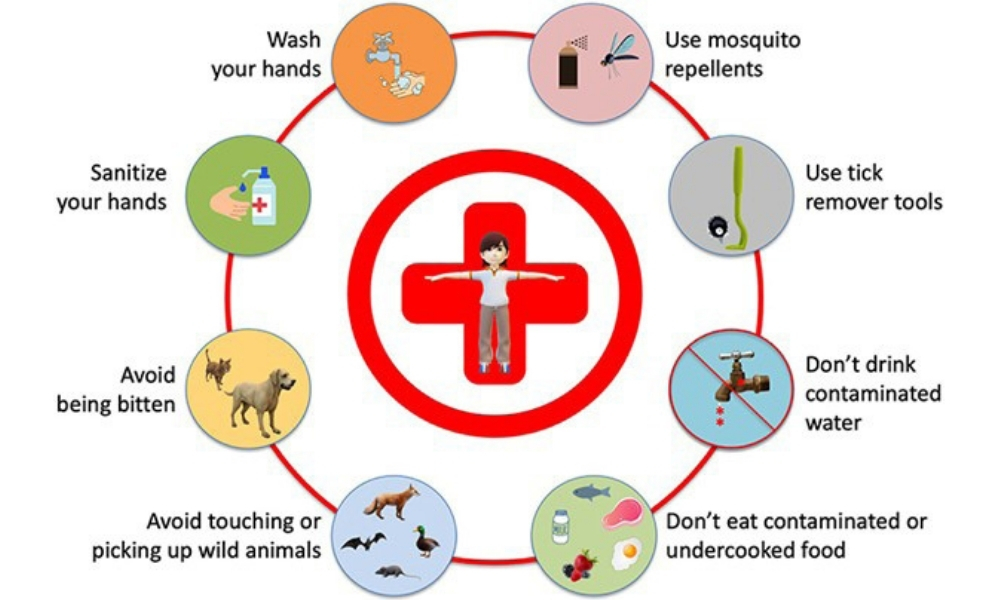
• Awareness: Simple actions like washing hands, cooking meat properly, avoiding wild animal contact, and saving lives.
What we can do today
We don’t need a lab coat to make a difference; start here:
• Protect the pets by keeping their vaccinations up to date.
• Handle food safely by cooking meat thoroughly and avoiding raw dairy in risk areas.
• Avoid wildlife contact; no touching and keep away.
• Spread the word by sharing this article and staying aware.
The clock is ticking.
The next pandemic isn’t a question of if, it’s when. But unlike past outbreaks, we now have the knowledge to predict, prepare, and prevent.
One Health, One Planet, One Future.
Every time we protect animal health, we protect our own. From rabies to Ebola, zoonotic diseases remind us that our health is deeply connected. Simple steps and vaccination, hygiene, and respect for wildlife can stop the next outbreak before it starts.
DID YOU KNOW?
An estimated 60% of all existing human infectious diseases are zoonotic — meaning they originated in animals — and over 70% of newly emerging diseases trace back to animal sources, per CDC research.
Diseases as different as rabies, avian flu, Ebola, and COVID-19 are all zoonotic, which is why health bodies now push a “One Health” approach linking human, animal, and environmental health systems.
rk0v2k
d64udf
82hm4s
Downloaded this a month back and it has made my evenings so much more relaxing and entertaining. The graphics are crisp and the customer service replies within minutes with real patience. I appreciate how fair the bonus terms are and how quickly my winnings reach my account. A refreshing pick for both casual players and anyone who wants a stress free experience. jaya99app