
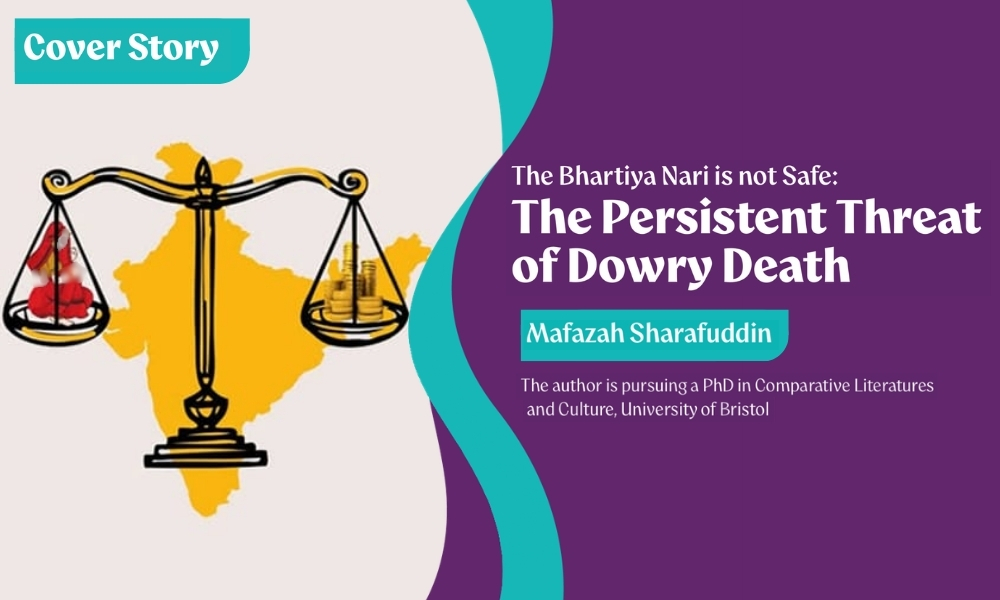
The author is pursuing a PhD in Comparative Literatures and Culture, University of Bristol
The Indian Penal Code has provisions against the demanding of dowry, giving or receiving of dowry, the harassment of a woman in connection with the demand for dowry, conspiring to commit dowry death, including abetment of suicide, and dowry death, in articles Section 61, 60, 498A, 306 and 304A respectively. However, the National Crime Records Bureau recorded a whopping 6,100 dowry deaths in 2023 and 5,737 in 2024. That is over 100 innocent women dead each week. The size of these numbers is jarring. Keeping in mind that in the IPC, it is only considered a dowry death if (provided it meets the other conditions) it occurs within 7 years of the wedding, and the fact that the mean age for women getting married in India is 27, most of these women were in their twenties and thirties. A whole life ahead of them, cut short by this horrible practice. Despite dowry being illegal since 1961, the hold it seems to have on the Indian public has not abated. Acting as both a symptom and cause of the misogyny in India, dowry contributes to the abuse and suppression of women, to female foeticide and infanticide, and of course, to femicide. Dowry is used as an excuse to push girls into getting married earlier, as it is cheaper to do so. It is used as a way to enforce every patriarchal standard forced upon women, making young girls succumb to them as they feel responsible for the financial burden upon their families.
What can we say about dowry that hasn’t been said a hundred times over? In the 24 hour news cycle, it seems it only exists as a buzzword that lights a flame in the public, starts a few six panel debates, and countless reaction reels on Instagram. As time passes, it returns to being one of the many social evils we keep on the back burner as treasured cultural heirlooms. As I am writing this article, the names Twisha Sharma and Deepika Nagar are all over the news and social media. After I send it in, it will go through a process of editing, compiling and designing before it is published. Weeks from this fraught moment, when the article hits your screen, do you still remember their names? Did it take a moment to place them, among the hundreds of victims of tragedy?
It is a bleak reality. In cases of dowry deaths, the Indian Penal Code requires prosecutors to prove beyond reasonable doubt specific dowry demands to convict the accused. This, obviously, is a near impossible task. Dowry demands are not official documents that have a paper trail. They are discussed over chai while the bride is presented to them. They are made over fraught phone calls from persecuted daughters to their parents. They are thinly veiled threats that can be dismissed as neighbourhood noise. Quint reporter Himanshi Dahiya conducted a study into 500 decided judgments in trials pertaining to Sections 304B, 498A, and 302 of the IPC, which, as previously mentioned, relate to dowry demand allegations. What she found was a paltry 24.6% rate of conviction. As she says in her report, this only includes cases that went all they way to judgement. There are hundreds of cases that do not go to trial. There are further that not get reported at all.
This is a systemic failure. There is no way around it. Despite the six long decades since the criminalisation of dowry demands, it remains enmeshed into our societies. We have the facts, we have the statistics, and the situation, as we can see, is still dire. We have legal provisions against it that are failing to do their job. Starting with the police officers who process the FIRs all the way to the judges, it is a system-wide failure of the victims. A fair legal system to try their persecutors is the very least the country owes to the women who have lost their lives to dowry deaths. The way the system works right now, relying on evidence that doesn’t exist in most cases of dowry demands is a failure that needs to be addressed and rectified.
Twisha Sharma was a 33-year-old model and actress. She had a corporate job. She had a social media presence. She lived in a big city. Her mother-in-law, who is one of the accused in the case, is a retired judge. Twisha Sharma wasn’t a teenage girl with no job and no knowledge of the world marrying into a traditional family. It is essential to understand that education and employment is not the end all to the empowerment of women. Even within the most privileged parts of our country, with access to education and employment, we still pass off deadly patriarchal practices as ‘culture’ or ‘tradition’. We have a long, long way to go in the dismantling of the patriarchal everyday reality of our country, and this is just one glaring symptom of it. A good tradition can stand up to critique. So, remember, there are no traditions that are above criticism; question every default that commodifies women, reject cultural misogyny.
References
Dahiya, H. (2026) 500 judgments, 1 pattern: The question is…why dead women keep losing, 500 Judgments, 1 Pattern: The Question Is…Why Dead Women Keep Losing. Available at: https://thequint.substack.com/p/500-judgments-1-pattern-the-question (Accessed: 10 June 2026).
Global Study on Homicide: Gender-related killing of women and girls (2019). Vienna: UNODC, United Nations Office on Drugs and Crime.
Singh, J.A. (2023) ‘Dowry and Dowry Death: In India’, International Journal of Law, Management & Humanities, 6(1), pp. 117–128.
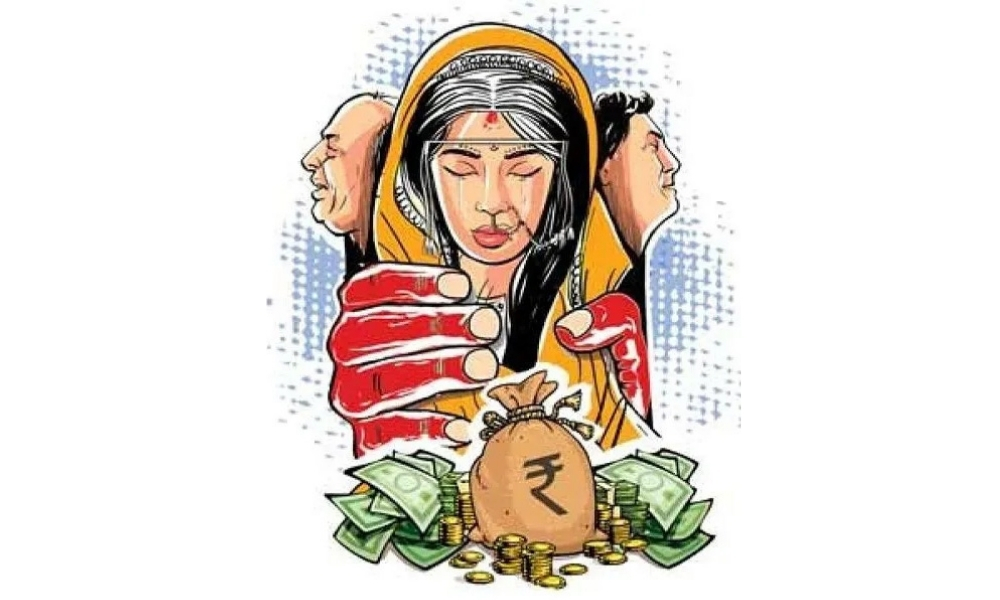
DID YOU KNOW?
NCRB recorded 6,450 dowry deaths in 2022 and 6,156 in 2023 — meaning, on average, well over 15 women die in dowry-related circumstances every single day in India.
Uttar Pradesh, Bihar, Madhya Pradesh, and Rajasthan together account for more than half of all dowry deaths nationally in most recent years.
Despite the law, conviction rates in dowry death cases remain strikingly low — estimated around 11–17% in recent state-level data, largely due to evidentiary hurdles and long trial delays.
A World Bank study tracking roughly 40,000 rural Indian marriages between 1960 and 2008 found that dowry was paid in 95% of them — showing how deeply the practice persists despite being illegal since 1961.
Alhamdulillah. I support whole heartedly the concept of educating Islam against dowry. However, the evils of triple Talaq at one go and dessertion of women are topics
that could discussed too.
imqvl9
x78dn9