
The author is a student of psychology with a passion for helping people.
Introduction: When Happiness Becomes an Obligation
Somewhere along the way, happiness stopped being a feeling and became a goal, something measurable, optimizable and strangely mandatory. We are constantly told to work on ourselves, to stay positive, to be productive, to hustle harder. But beneath this glossy narrative lies something far more unsettling, a quiet epidemic of burnout, anxiety and emotional fatigue.
In today’s world, happiness is no longer just a personal pursuit, it is shaped by systems, cultures and expectations that define what a good life should look like. The pressure to be constantly productive, emotionally stable and socially successful has created a paradox. The harder we chase happiness, the more exhausted we become.
This is the politics of happiness, a system where emotional well-being is tied to productivity and where burnout is often worn like a badge of honour.
The Rise of Burnout: More Than Just Being Tired
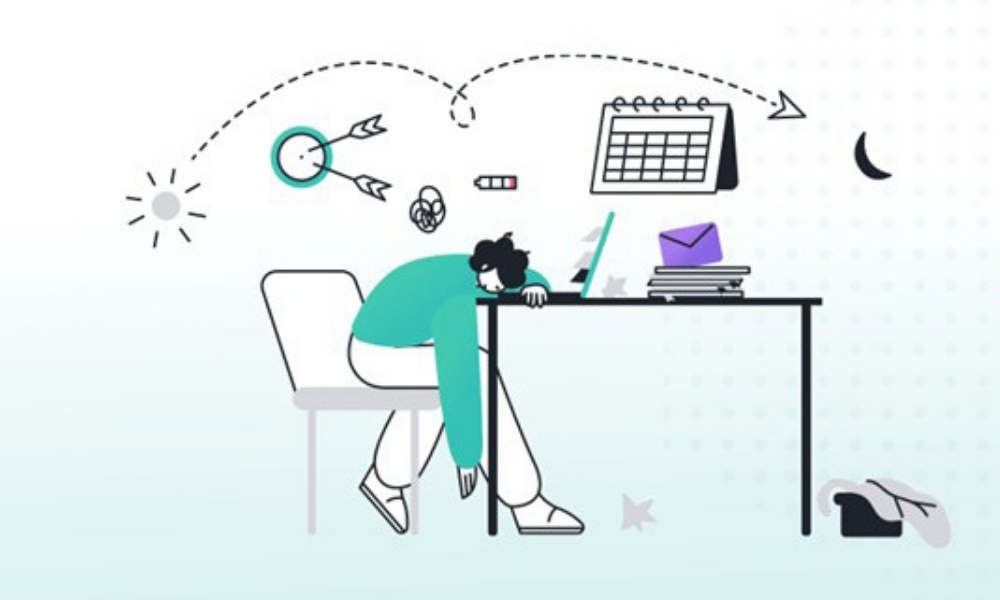
Burnout is no longer limited to high-pressure jobs or corporate offices. It has seeped into every layer of life, affecting students, freelancers, homemakers, creators and even teenagers. It is not just physical exhaustion but emotional depletion, a sense of detachment and a lingering feeling that no amount of rest is ever enough.
What makes burnout particularly concerning is how normalised it has become. People often speak about being busy or exhausted with a sense of pride. Busyness is equated with importance, while rest is seen as something that must be earned. Even taking a break comes with guilt, as if pausing means falling behind.
The modern individual is caught in a loop where working harder is seen as the path to achievement, achievement is tied to self-worth and self-worth is expected to lead to happiness. Yet the system rarely allows space to pause. Even rest is framed as a way to become more productive rather than something valuable on its own.

Anxiety in the Age of Constant Comparison
While burnout drains the body, anxiety consumes the mind. In a hyperconnected world, anxiety has found the perfect environment to grow.
We are constantly exposed to curated versions of other people’s lives. Success stories, perfect routines, glowing appearances and dream careers are everywhere. This creates a subtle but persistent pressure to keep up. Even when we know that what we see is filtered and selective, it still affects how we feel.
There is always someone doing more, achieving more or appearing more successful. This leads to a quiet but constant sense of inadequacy. The mind rarely rests because it is always evaluating whether we are doing enough or whether we are enough.
For young people, this pressure begins early. Academic expectations, uncertainty about the future, the need for validation and constant digital exposure combine to create a state of mental restlessness. There is little space to simply exist without comparison.
The Productivity Trap: When Doing More Feels Like Survival
Productivity itself is not the problem, but the way it has been redefined is. It is no longer about meaningful work or personal satisfaction but about constant output.
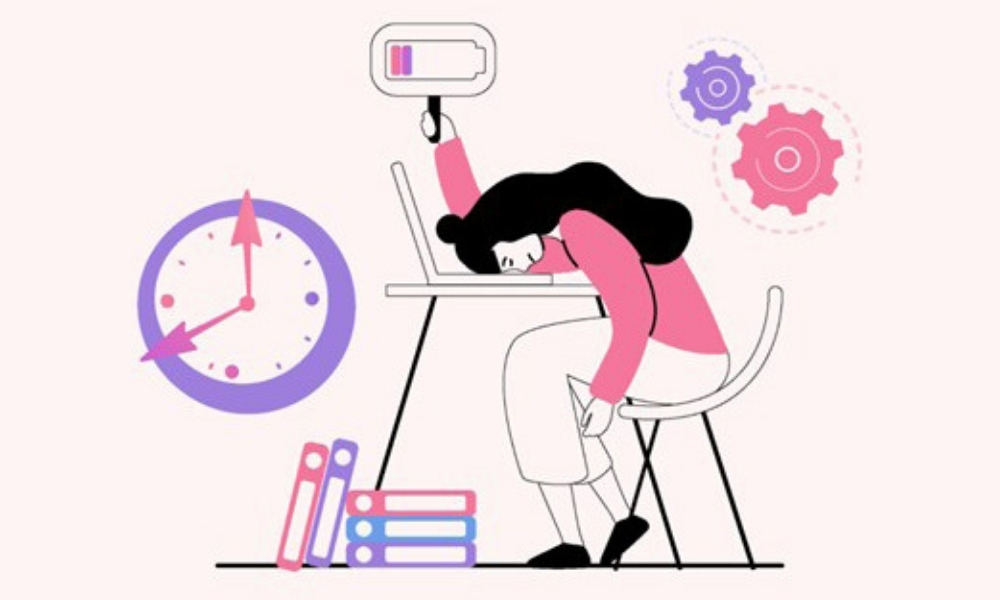
The productivity trap lies in the belief that personal value is directly tied to how much one accomplishes. Life becomes a checklist where every moment needs to be justified. Hobbies turn into side hustles, rest becomes scheduled, and even relaxation feels like something that needs to be optimised.
This creates a cycle where people push themselves to do more, feel a temporary sense of accomplishment, raise their expectations and then push even harder. Over time, this becomes unsustainable.
What makes this trap so powerful is that it feels self-driven. It appears as ambition but is often rooted in fear, fear of falling behind, fear of being irrelevant and fear of not being enough.
Work Culture and the Myth of Having It All
Modern work culture plays a major role in shaping this reality. The idea of having it all, a successful career, an active social life, physical fitness, emotional balance and financial stability, sounds empowering but is often overwhelming in practice.
There is an unspoken expectation to excel in every area of life at the same time. People are expected to be productive at work, present in relationships, disciplined about their health and constantly improving themselves.
For adults, this often results in long working hours, blurred boundaries between personal and professional life and a constant sense of urgency. The rise of remote work has added flexibility but has also made it harder to disconnect. Work is no longer confined to a place or time, it follows people into their homes and into their thoughts.
For young people, the pressure starts even earlier. Students are not just studying but also building resumes, developing skills, networking and planning careers before they have fully understood themselves. This creates a generation that is always preparing for the future but rarely able to live in the present.
Emotional Fatigue: The Invisible Weight
Emotional fatigue is one of the most overlooked aspects of modern life. Unlike physical exhaustion, it is harder to recognise and even harder to explain. It appears as irritability, numbness, lack of motivation or a vague feeling of being disconnected.
It often comes from constantly managing expectations, both personal and social. People push themselves to appear okay even when they are not, to keep going even when they are overwhelmed and to remain positive even when they are struggling.
Over time, this emotional strain builds up. Individuals may begin to feel disconnected not only from others but also from themselves. Things that once brought joy begin to feel like obligations.
What makes emotional fatigue particularly difficult is its invisibility. There are no clear signs, no obvious boundaries. It simply accumulates quietly until it becomes overwhelming.
The Social Expectations That Shape Us
Beyond work and productivity, social expectations play a powerful role in shaping how happiness is experienced. Society often presents a fixed timeline that people feel pressured to follow, achieving academic success, building a career, finding stability, maintaining relationships and appearing happy throughout.
When individuals deviate from this path, they often face judgment, whether from others or from within themselves. This creates pressure not only to succeed but also to appear as though everything is under control.
There is also an expectation to remain resilient and optimistic at all times. Struggling is often seen as weakness rather than a natural part of life. As a result, many people suppress their emotions instead of expressing them, which deepens stress and anxiety over time.
The Impact on Adults: Silent Struggles
For adults, especially those balancing multiple responsibilities, burnout often becomes a constant but silent presence. Responsibilities do not pause, so there is little opportunity to step back and recover.
Financial concerns, family expectations and career demands create a continuous state of pressure. Even moments of rest are often interrupted by guilt or worry about what still needs to be done.
Many adults adapt to this stress rather than addressing it. They continue functioning despite exhaustion, often at the cost of their mental and emotional health. Over time, this can lead to chronic anxiety, disrupted sleep, a lack of fulfillment and even physical health issues.
The Impact on Young People: Growing Up Too Fast
For young people, the impact is equally serious but often more visible. There is a growing sense of urgency that pushes them to make important life decisions early, often without the emotional support needed to handle that pressure.
Social media intensifies this urgency by constantly showcasing success stories and ideal lifestyles. It creates the impression that everyone else has already figured things out. This leads to academic stress, fear of failure, confusion about identity and constant comparison.
Instead of having the space to explore and grow, many young people feel like they are in a race against time. This not only affects their mental health but also shapes how they view themselves and their future.
Rethinking Happiness: Breaking the Cycle
If the current model of happiness leads to burnout and anxiety, then it may be necessary to question the system itself rather than blaming individuals. Happiness should not feel like pressure or something that needs to be constantly achieved.
A shift in perspective is needed, one that allows people to redefine success beyond productivity and achievement. It involves accepting rest as something valuable, setting boundaries with work and technology and understanding that not every moment needs to be optimised.
It also requires a broader cultural shift. When burnout is normalised, it becomes difficult to challenge. But when people begin to speak openly about their struggles, it creates space for change and understanding.
Conclusion: Choosing Presence Over Pressure
The politics of happiness is not about rejecting ambition or growth but about questioning the systems that define them.
We live in a world that constantly demands more, more effort, more output, more positivity. But perhaps the most meaningful response is to choose less pressure, less comparison and less performance.
Happiness, in its truest sense, is not something that can be endlessly chased or measured. It is something that emerges when people allow themselves to pause, to breathe and to exist without the need to constantly prove their worth.
In a culture that values constant action, choosing to simply be may be one of the most powerful acts of all.
DID YOU KNOW ?
🔥 Burnout is not just “being tired” — it’s a recognised occupational condition classified by the World Health Organization.
‼ It has three key signs: constant exhaustion, feeling detached or cynical about work, and reduced performance.
⏳ Burnout builds up gradually, not overnight — often from chronic workplace stress that isn’t managed.
0 Comments