
The author is pursuing BCA and Islamic Sciences in Arabic Language, with experience in content writing.
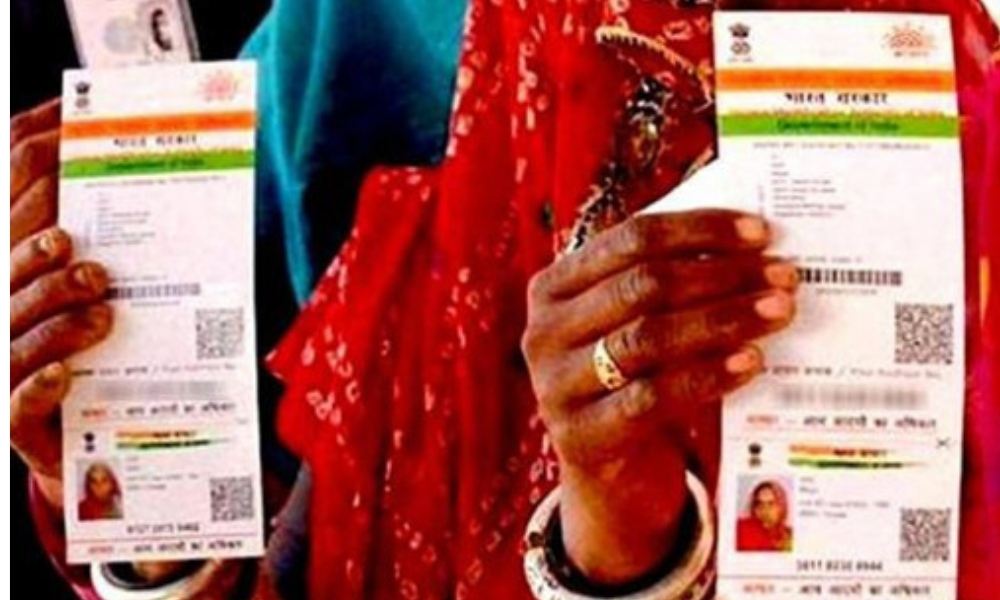
A woman dies of starvation because her biometric authentication fails. Not in some distant past, but in a system designed to improve welfare delivery. This isn’t hypothetical. As reported in The Hindu, a woman in Jharkhand was denied rations after repeated Aadhaar authentication failures. I keep thinking about that — how a system can simply fail to see someone, and what that really means.
The Promise vs The Reality
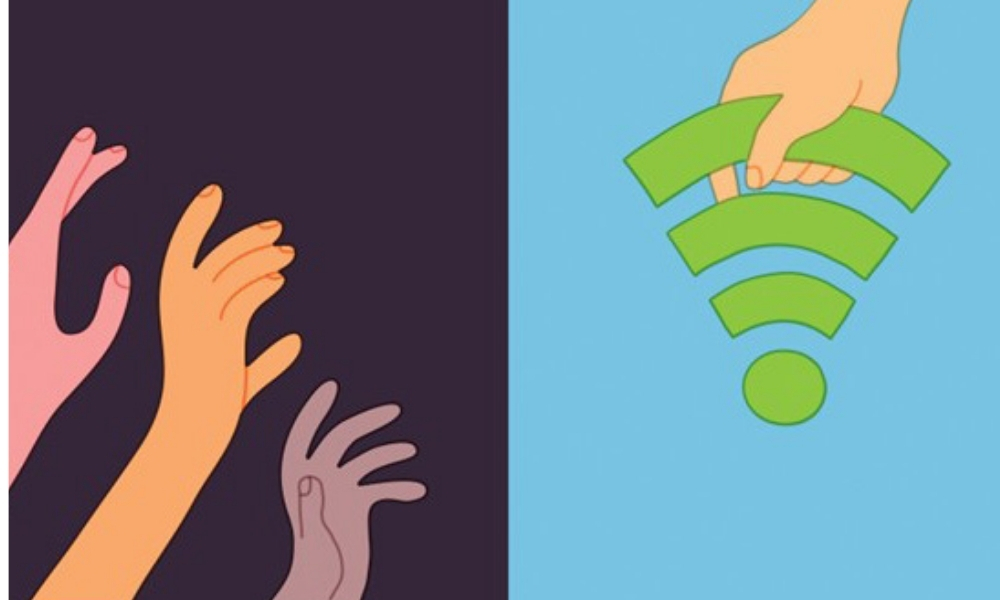
We were told digital systems would simplify life: faster payments, seamless identity, less corruption. And for some people, they do. But there’s a question we don’t sit with long enough — what happens when access to basic rights depends on a system that can reject you? Aadhaar, on paper, solves real problems: identity verification, welfare targeting, reducing leakages. It sounds efficient, almost flawless. But reality doesn’t run on paper.
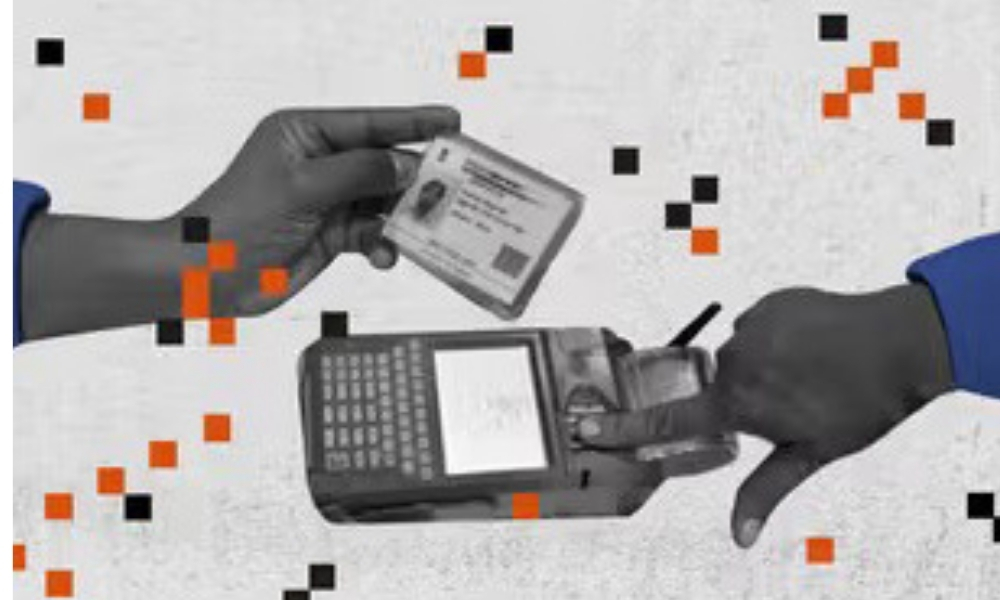
People have been denied rations, workers unable to authenticate, elderly citizens locked out because fingerprints fade with time. These aren’t just glitches; they reveal something deeper. When identity becomes digital, exclusion changes form. It becomes quieter, harder to argue with, and easier to ignore. You can question a person. You can’t question a machine that says no match found. And that feels more final than it should.
What unsettles me is how quickly we accept this finality — as if a technical failure is somehow more legitimate than a human appeal.
Cashless — But for Whom?
The shift toward a cashless economy follows a similar pattern. The logic is clean — transparency, traceability, reduced corruption. And yes, for those who are digitally equipped, it works smoothly. Payments are instant, records are clear, and transactions leave a trace that feels reassuring.
But step outside that space. A small vendor dealing in cash for decades, an elderly person struggling with OTPs, a daily wage worker whose savings sit in a system they barely understand — for them, this shift isn’t empowerment. It’s constant, uneasy adjustment.
There’s also a quiet anxiety that comes with it. What if the phone stops working? What if the network drops? What if the payment fails and there’s no proof except a message that never arrives? These aren’t rare fears — they’re everyday realities for many.
And when something breaks, a failed transaction or a locked account, there’s no immediate resolution. Because money is no longer just money; it’s data. And data can be delayed, restricted, or simply inaccessible. The control shifts, subtly but significantly, away from the individual.
Every digital system leaves something behind — identity, transactions, patterns. On their own, these traces seem harmless. Together, they build a detailed version of a person’s life. Not just what you do, but how often, where, and in what patterns.
What unsettles me isn’t just that this data exists, but how normal it has started to feel. We click “accept,” allow permissions, and move on. There’s no pause, no second thought. Convenience makes compliance easy.
Surveillance today doesn’t feel like control; that’s precisely the problem. It feels like convenience. And when something feels convenient, we rarely question it.
But the real issue isn’t just collection — it’s control. Who holds this data? Who decides how it’s used? And more importantly, what safeguards actually exist when things go wrong? Because power without visible limits rarely stays harmless.
AI: Efficiency or Distance?
Artificial intelligence adds another layer to this conversation. It promises efficiency and objectivity, removing human error from decision-making. But it doesn’t remove bias — it absorbs it.
AI learns from data, and that data reflects existing inequalities. So, bias doesn’t disappear; it becomes structured, embedded, and harder to detect. What was once visible discrimination can now hide behind “system output.”
And then there’s the issue of distance. When decisions are made by systems, responsibility becomes unclear. If a person denies you something, you can question them. If an algorithm does it, what do you question? The code? The system? The logic you cannot see or access?
What we are really creating is distance — distance between decisions and accountability. And that distance makes it easier for systems to function without being challenged.
Who Gains, Who Gets Left Behind
Digitization, in practice, benefits those who are already equipped for it — people with smartphones, stable internet, and digital literacy. For them, systems feel efficient, even empowering.
For others, systems become barriers. This is the part we need to confront honestly: technology doesn’t just reflect inequality; it can deepen it. It can determine who participates easily and who struggles just to keep up.
In some cases, it goes even further. It decides who is visible within a system and who isn’t. And once you become invisible, proving your existence becomes harder than it should ever be. That’s not just a technical issue. It’s a deeply human one.
Digitization also changes something less visible but equally important — the way people experience dignity. When access depends on systems you don’t fully understand, there’s a quiet loss of control. Imagine having to prove who you are again and again, not to a person who can listen, but to a machine that simply rejects you. It’s not just frustrating; it’s dehumanizing in a subtle way. There’s no space to explain, no room for context, no recognition of lived reality. And over time, that repeated denial does something deeper — it makes people feel like they are the problem, not the system. That shift, from questioning the system to questioning oneself, is where the real damage begins.
The Illusion of Choice
We often talk about adopting technology as if it’s optional, but it isn’t anymore. Digital identity, digital payments, digital platforms — these are no longer choices, they are expectations built into daily life.
Which makes the real question more urgent: who is building these systems, and who are they leaving out, even unintentionally? Because exclusion doesn’t always come from bad intent. Sometimes, it comes from not thinking about the margins at all.
Why This Conversation Matters
This is not an argument against technology. That would be too easy, and not entirely honest. Technology has improved lives and will continue to do so. But progress without reflection creates blind spots.
And the people who fall into those blind spots rarely make it into the conversation. Not because their struggles are insignificant, but because the system no longer registers them in ways that matter.
What Needs to Change
We don’t need less technology; we need more responsibility around it. That means stronger data protection, real transparency, accountability when systems fail, and design that includes the most vulnerable, not just the most connected.
It also means questioning systems before they become unquestionable. Because once something becomes normal, it becomes harder to challenge — even when it should be.
A Final Thought
Technology was meant to serve people, not filter them, not quietly decide who gets access and who doesn’t.
The real danger isn’t that technology is advancing. It’s that one day, it might start deciding who counts — and we won’t even notice when someone disappears from the system.
PH8888Login is super straightforward – no fuss, just easy access to the games. Appreciate the simplicity! ph8888login
[1147]সেরা ক্রিকেট বেটিং ও ক্যাসিনো (465bet)-লগইন এবং রেজিস্ট্রেশন,465bet এ সেরা ক্রিকেট বেটিং এবং অনলাইন ক্যাসিনো উপভোগ করুন। দ্রুত রেজিস্ট্রেশন ও লগইন করে জিতে নিন আকর্ষণীয় বোনাস। বাংলাদেশের বিশ্বস্ত প্ল্যাটফর্মে আজই যোগ দিন! visit: 465bet