
M. Pharm (QA), currently working as a project lead in an MNC
Sustainability in food and dairy consumption involves making choices that reduce environmental impact while ensuring food security and nutrition. This involves reducing greenhouse gas emissions by introducing technologies, equipment, and best practices in production and processing to safeguard nutrition security and sustain a billion livelihoods for tomorrow while helping secure a future for us all.
The Qur’an emphasizes themes of moderation, gratitude, environmental stewardship, and care for the earth, all of which align with modern principles of sustainability, especially in food consumption. Here are some relevant verses from Qur’an:
1. Moderation in Consumption
“Eat and drink, but do not be excessive. Indeed, He does not like those who commit excess.” Surah Al-A’raf (7:31)
Interpretation: This verse promotes mindful consumption and discourages wastefulness, a core idea in sustainable living.
2. Provision and Gratitude
“It is He who produces gardens, with trellises and without, and date palms, and crops of different shape and taste. Eat of their fruit when they ripen, but give their due on the day of harvest, and do not waste. Verily, He does not love the wasteful.” Surah Al-An’am (6:141)
Interpretation: This verse encourages not only gratitude and charity but also warns against waste, especially in food.
3. Earth as a Trust
“It is He who has made you successors upon the earth…”Surah Fatir (35:39)
“…And do not cause corruption upon the earth after its reformation. “Surah Al-A’raf (7:56)
Interpretation: Humans are caretakers (khalifah) of the Earth, and are thus responsible for maintaining its resources, including food systems.
Dairy production involves substantial use of natural resources. Producing milk and other dairy products requires substantial amounts of feed, water, and land. Additionally, ruminant animals like cows emit methane, a potent greenhouse gas during digestion, making dairy farming a significant contributor to global emissions.
According to the Food and Agriculture Organization (FAO), livestock is responsible for about 14.5% of all anthropogenic greenhouse gas emissions, with dairy contributing roughly 4%. Beyond emissions, dairy farming can lead to water pollution through runoff of fertilizers and manure, and it often contributes to deforestation and biodiversity loss due to land conversion.
Sustainability starts at home, and women, as everyday decision-makers, are at the heart of this journey. In today’s fast-paced world, women play a central role in shaping food habits whether as working professionals, students, or homemakers. From planning meals to grocery shopping and cooking, their choices greatly influence family health and the environment. With growing concerns about climate change, water scarcity, and food waste, adopting sustainable food and dairy habits is more important than ever. Even small changes in the kitchen and daily routines can make a big difference.
Why Food and Dairy Matter in Sustainability
Food production is one of the biggest contributors to climate change, and dairy (milk, cheese, butter, yogurt) is especially resource intensive. Producing a single glass of milk requires land, water, and energy, and dairy cows emit methane, a powerful greenhouse gas.
But instead of giving up dairy altogether, people can make informed, balanced choices that support their health, family needs, and the planet.
Smart Tips for Sustainable Living
Here are practical ways for working women, young girls, and homemakers to make eco-friendly food and dairy choices:
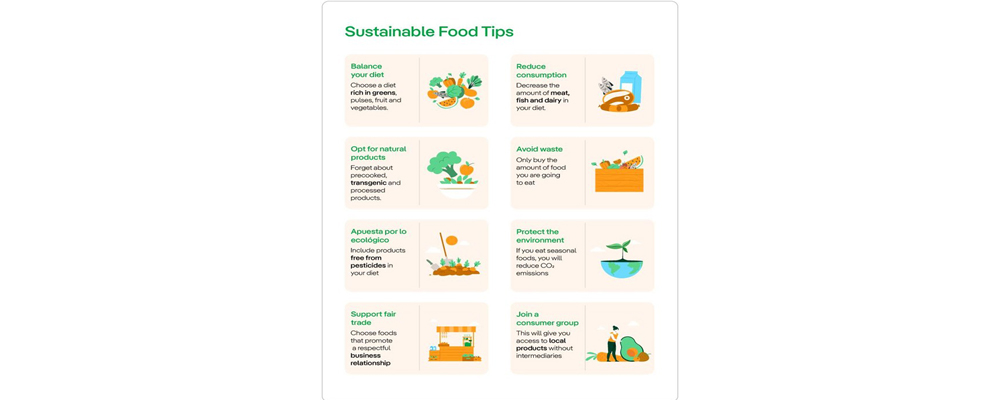
1. Buy Local and Seasonal
Local, seasonal products and dairy products tend to be fresher, healthier, and have a smaller carbon footprint. Visit farmers, markets or local dairies when possible.
Pocket friendly: Buying in season is often cheaper and tastier, too.
2. Plan Meals to Reduce Waste
Meal planning not only saves time and money but also reduces food waste, a major source of environmental harm.
Simple strategy:
- Make a weekly meal plan and shopping list.
- Freeze leftovers or use them creatively in soups, sandwiches, or stir-fries.
- Store dairy properly to extend shelf life.
3. Support Ethical Brands
Look for brands that use eco-friendly packaging, practice ethical sourcing, or support animal welfare. Many brands now offer certified organic or low-impact dairy options.
Look for labels like: “Certified Organic,” “Grass-Fed,” “Carbon Neutral,” or “Animal Welfare Approved.”
4. Involve the Family and Lead by Example
Young girls and children learn from what they see at home. Teach them about sustainability through small actions like reusing containers, composting peels, or understanding food labels.
Fun activity: Try a “Meatless Monday” or “Dairy-Free Friday” together—it can be a fun way to discover new recipes.
5. Balance Nutrition with Sustainability
Many women worry about calcium and protein when reducing dairy. Luckily, leafy greens, legumes, seeds, and fortified plant milks can provide essential nutrients.
Nutrient-rich swaps:
- Chia seeds or tofu for calcium.
- Lentils, chickpeas, and quinoa for protein.
Making sustainable food and dairy choices isn’t about doing everything perfectly rather it’s about progress and not perfection. Women often are responsible for nurturing families, and with that comes the power to create positive change.
Every time you reduce waste, choose better ingredients, or educate your children, you’re helping protect the planet—and creating a healthier future for the next generation.
Sustainable Solutions in Dairy Production
To make dairy more sustainable, producers and researchers are exploring various strategies:
- Improved Feed and Animal Care: Optimizing cow diets to reduce methane emissions, improving animal health, and increasing milk yields per cow can reduce the environmental impact per liter of milk.
- Manure Management: Technologies like anaerobic digesters can convert manure into biogas, reducing methane emissions and providing renewable energy.
- Pasture-Based Systems: Grazing systems that rotate cattle across pastures can improve soil health, sequester carbon, and enhance biodiversity.
- Alternative Dairy Products: Plant-based dairy alternatives (such as oats, almonds, and soy milk) typically require fewer resources and produce fewer emissions than traditional dairy. Investment in fermentation-based or lab-grown dairy is also expanding.
Global Trends in Sustainable Food Consumption
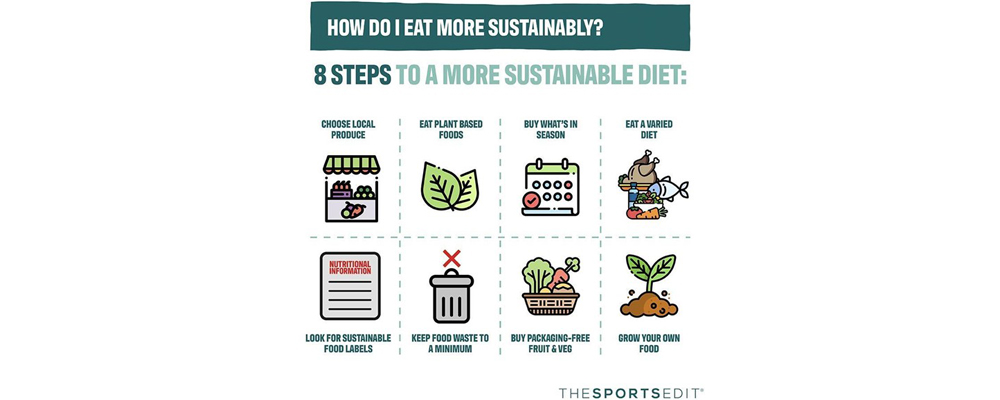
- Consumer Awareness and Behavior Sodexo’s 2024 Sustainable Food Barometer revealed that 73% of UK consumers believe adopting a more sustainable way of eating is urgent. However, a gap exists between awareness and action, with only 35% consistently choosing sustainably produced products
- Barriers to Sustainable Eating Price remains the primary barrier to purchasing healthy, sustainable foods, as highlighted by the Food Minds 2024 Conscious Consumption Index. Additionally, skepticism around marketing claims and concerns over transparency in food production were significant deterrents
- Plant-Based Diet Adoption The EAT Grains of Truth 2024 report indicated that while 68% of people worldwide express a desire to eat more plant-based foods, only 20% consume them regularly. Economic pressures, flavor preferences, and accessibility challenges contribute to this disparity.
Dairy Consumption: Shifts and Sustainability
- Dairy Consumption Trends
In 2024, U.S. consumption of whole milk increased by 3.2%, while plant-based milk consumption declined by 5.9%. Factors influencing this shift include the cost of plant-based milks and their use of additives.
- Consumer Trust in Dairy Sustainability
Mintel’s research found that 60% of U.S. consumers believe many companies are “just pretending” to be sustainable. In the dairy industry, involving farmers in sustainability conversations can enhance credibility and consumer trust.
- Insights from India
A 2024 report by Good Food Institute(GFI) India projected the plant-based dairy market to reach INR 891 crores by 2025, with potential growth up to INR 10,625 crores by 2030. Consumers in India are increasingly aware of plant-based milk options, with health benefits being a primary driver. However, challenges such as affordability and availability persist.
Policy and Innovation
Government policies and industry innovation are critical to large-scale transformation. Subsidies and incentives for sustainable practices, stricter emissions regulations, and investments in research can accelerate the transition to more environmentally friendly food systems. Initiatives such as carbon labeling on food products are also gaining traction, empowering consumers to make informed decisions.
Conclusion
Sustainability in food and dairy consumption is not just an environmental imperative; it’s a social and economic one too. We can create a more resilient and equitable food system by shifting production methods, rethinking dietary habits, and supporting sustainable innovation. Whether you’re a farmer, policymaker, or everyday consumer, each action counts in shaping a greener future.
0 Comments