

The author is a freelance Content writer who completed her Masters in Journalism and Communication, Interests include evaluating, finding and writing solutions for young people for the modern day challenges they face that are often unseen.
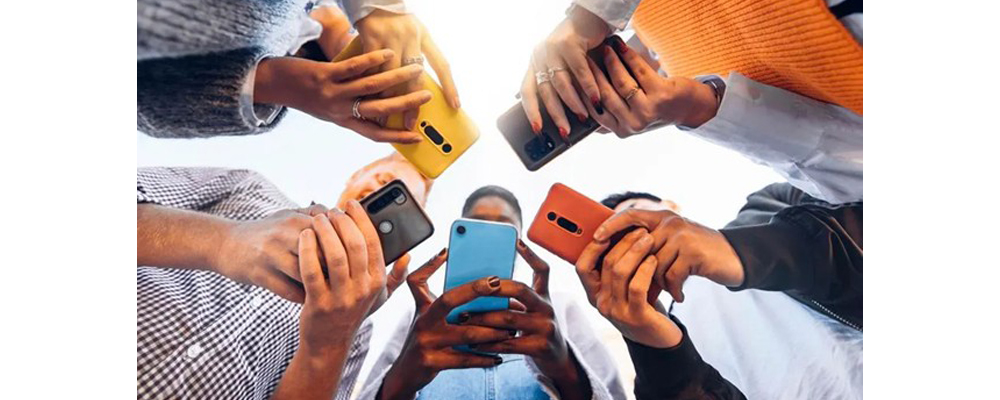
Screens and Selves
It is a bitter truth that we live in a time where we (the majority of teenagers and youth) not just rely on social media, but portray it on social media. Youngsters are not just following trends or influencers on social media—they are unconsciously measuring themselves against them. “Influencers” are just a bigger picture. It could also be friends, relatives, or any random person on social media. These “users” create a sense of consciousness in adolescents by showcasing their carefully curated “aesthetic” updates. To an adult, this may appear to be harmless entertainment. However, adults must recognize how deeply this can affect a 16-year-old, who is at a stage of personality development. At this age, adolescents begin to form their own identity, and this process can be unintentionally shaped by constant comparisons with what they see on social media.
Identity Formation
Adolescence is the most crucial age for identity development. The emotional responses a human has during their adolescence will last long in their lives, even till adulthood. What makes this generation different is the omnipresence of social media during this developmental phase.
According to research, over 90% of teenagers engage themselves with social media and develop a trust towards the people/influencers they follow. Needless to say, this “trust” does not always necessarily mean a positive impact on youngsters. It could also mean a “trust” that provides them the idea of living by certain standards that are portrayed on social media. This one-sided relationship that one develops towards a social media personality is called “parasocial interaction”, which creates a sense of belonging and intimacy towards the influencer, even if they are strangers on social media. They function as modern role models and create a culture among adolescents on how to dress, look, feel, eat, and even think. With this, real-life mentors are unseen because of the commercialized versions of reality.
Though social media can inspire creativity and talent, we often turn a blind eye to the culture of comparison. It isn’t necessarily “envy”, but a slow feeling of how “dull” my life is, how “boring” my life is, how “ugly” my face is, how “shapeless” my body looks, how “poor” my budget is, and hence how “uncool” I am. This happens right at the age where a young human should start developing their creativity and building their future. The shattering of confidence because of this feeling is another issue, but most importantly, youngsters become “lazy”. This laziness is the result of their subconscious mind accepting the fact that they are anyway uncool and unfortunate, and so there is no point in trying hard. This could also affect their ability to make friends, talk to people—even families. Today, right now, there could be many stars behind a small screen of insecurity dose boosters.
Emotional Undercurrent
One of the most damaging outcomes is the growing sense of being “uncool” and socially irrelevant. Youngsters may feel left out for not wearing the right brands, not having the latest phone, not being able to afford pretty cafes, not being able to dress in ways that follow trends, or not being able to travel. This creates a chronic emotional state by making adolescents become hyper-aware of how they present themselves. Worse still, influencer culture promotes instant gratification from likes, shares, and comments, which become the shorthand for their worth. This validation adolescents get from social media becomes the way they assess their value. “Youth begin to perform identities rather than develop them,” notes psychologist Dr. Maya Suresh. “They’re mimicking aesthetics and beliefs without the deep self-exploration needed for healthy growth.”
The impact isn’t just personal, it is societal. Society’s values and morals are being overshadowed by the glorification of consumption of luxury and appearance. These themes dominate over values like kindness, empathy, community, and more—diverting youngsters from what really matters. It takes away the humbleness that is naturally instilled and forces youngsters to change the way they think and present themselves. It enforces youngsters to match certain standards and creates a sense of insecurity, leading them to consider themselves unfortunate if they don’t have what they see on social media.
Reminders
Overcome these situations by limiting your use of social media, if not refraining from it completely.
- Convince yourself that you don’t need to be what you see on social media.
- Stop comparing your life with others. Believe that you are blessed, and trust your own journey.
- Don’t waste your time on social media watching curated portrayals of others’ lives. Use it instead as a tool for gaining knowledge and growing into your best self.
- Avoid allowing social media to become the central focus of your life.
A Personal Note
PS: The author of this article acknowledges that social media has had a positive impact in many areas. It has provided livelihoods, created opportunities, and served as a powerful platform for communication, creativity, and self-expression. It has offered spaces for representation, advocacy, and empowerment. However, the authenticity of the people portrayed on social media can be difficult to determine. The goal of this article is not to criticize social media as a whole, but to reduce the number of young people who feel like outsiders because of what they see online. It aims to encourage confidence in the unique lives that each individual leads and to raise awareness about the importance of separating self-worth from social media portrayals. Let us do better, for ourselves, and for the generation growing up in front of screens.
Beautifully presented the myth and facts that needs to be practiced.
🥰
Thank you for this inspiring article for the youth .
Every coin has two sides. The writer has sincerely attempted to draw our attention to the often-overlooked side of social media — surely, a commendable effort.
Beatifully explained.
Well written