
Zesty Aromatic Spoon (ZAS) is a pseudonym for a writer whose readers are already familiar. with her reflective take on life. Through vivid storytelling, ZAS explores the deeper connections in food, travel, & human interaction. Keep guessing.
Dear readers of Aura,
What’s simmering in my writing pot today? A topic as rich as ghee-soaked halwa and as layered as a baby’s clothing in Delhi winters: the grand Indian food culture that lovingly smothers (read: drowns) pregnancies and babies alike. Yes, each could be a standalone thali, but bear with me as I serve you a combo platter.
You see, I was that teenager who adored babies with the intensity usually reserved for chocolate or any ‘90s activity. I dreamt of a house echoing with giggles and scattered rattles, a full-on human kindergarten zoo. After my marriage, the dream finally began to take shape, and I realised that in India, pregnancy doesn’t come with just morning sickness and midnight cravings. Oh no, it comes with unsolicited diet charts from every senior female within a five-mile radius. The minute you announce you’re expecting, every older female relative in the neighbourhood becomes a certified nutritionist, and suddenly your body is no longer yours; it’s a ‘national food project.’ The entire neighbourhood has appointed itself as your culinary advisory board.
Because here, you’re not just growing a child. You’re nourishing a future engineer-doctor-IAS-officer-cricketer, and apparently, that requires a daily intake of laddoos, dry fruits, and enough ghee to make your arteries file a petition.
One of my seniors, a doctor with a serious face and a soft spot for desi wisdom, once casually said, “If you want to stay healthy and have a healthy baby, just listen to the elderly women of the house.” It sounded like what you’d hear in a granny-forward WhatsApp message, but coming from a medical professional? I was sold.
So, I surrendered. I told myself, from now on, Ammi is my dietician, nutritionist, and spiritual food guru, all rolled into one. And just when I thought I had absorbed all the wisdom the universe could offer, my doctor gave me the second golden rule: “You may feel nauseous, but if you’re vomiting eight times a day, try eating ten times a day.” Revolutionary logic, but hey! I wasn’t about to argue with science. Or snacks.
From that point on, there was no turning back. My days were a revolving buffet of salads, juices, steamed greens, ghee-laced panjeri laddoos, and a medley of things that could either nourish a baby or start a wholesome food revolution. The pregnant woman, after all, becomes the queen of the household, pampered and generously overfed.
I, being the foodie I am, embraced this royalty with both hands. But just when I was floating in a daal-sabzi dream, an elderly visiting relative tilted her head and said with grave concern, “Don’t eat too much, beta… your baby will be healthy. It will be difficult.”
Wait. Wasn’t that the whole point?
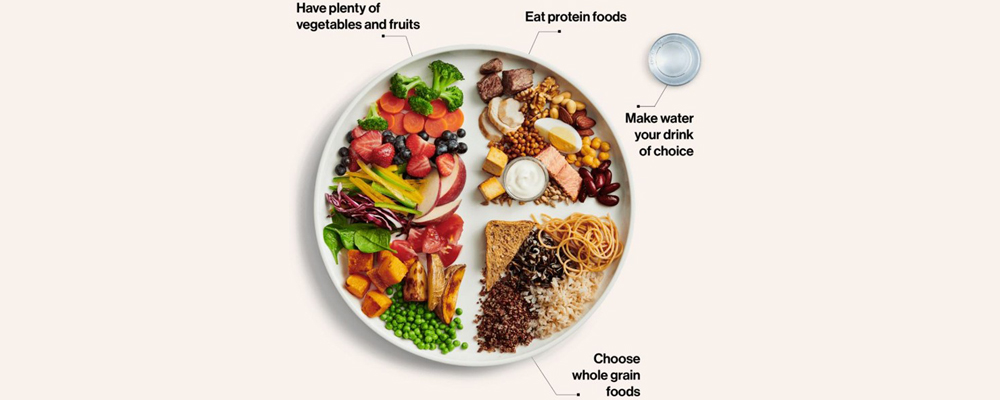
And then, the obsession arrives even before the baby does! The long-standing cultural fixation with fairness. Somewhere between the lauki sabzi and the bedtime milk comes the sacred instruction: Add saffron to the milk so the baby is born fair. As if melanin pays attention to milk additives. While the expecting mother is focused on building organs and bones, society, it seems, is already planning the baby’s skincare routine.
Pregnancy cravings in our society are an emotional rollercoaster served on a plate, starting from the first trimester and riding full speed into the grand finale. They swing between the sour and the sweet, the gourmet and the downright bizarre. One moment it’s fresh lime pickle, the next it’s ice cream at 2 a.m., and not just any ice cream, but that one specific kulfi from that one specific shop that’s unfortunately shut on Tuesdays.
Cravings don’t care for hygiene ratings either. Sometimes it’s a plate of steamed veggies, and other times it’s roadside momos from a cart that looks like it survived the Partition.
Among my many memorable requests, one classic instance involves craving an unusual yet divine combo: Gulab Jamun and Sadhya. This left the family a bit perplexed. Ammi, unfamiliar with the art of assembling a full-fledged Sadhya, stood stumped. But our ever-resourceful South Indian helper came to the rescue, preparing it lovingly at her own home and serving it on a banana leaf.
With a twinkle in her eye, she declared, “If you don’t feed a pregnant woman what she’s craving, the baby might be born with squint eyes.” What!!?? Scientific? Questionable, really? No one argued with her.
Finally, when the much-awaited arrival is celebrated, the new mother finds herself at the receiving end of a grand culinary inheritance—every traditional dish, remedy, and unsolicited dietary advice passed down from generations of postpartum experts (aka elder women of the family).
As per ancient wisdom , and more specifically, Ammi’s firm decree , a new mother, for the first eleven days post-delivery, must consume nothing that isn’t sweetened with gud (jaggery). Why? Because apparently, gud is not just food; it’s liquid first aid. It’s believed to gently stitch up internal wounds, fix bones, balance hormones, and maybe even restore Wi-Fi signal, so sacred is its status in postpartum kitchens.
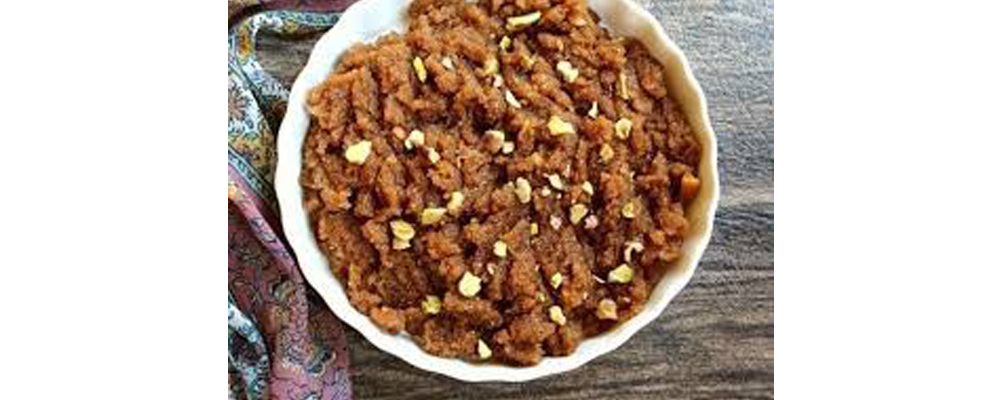
After the sacred eleven-day gud-purification rite, the menu cautiously expands , but with one non-negotiable addition: ghee. Buckets of it. Everything must either be soaked, roasted, or at least lightly threatened with ghee. The logic is, if the baby’s growing up on mother’s milk, then the mother must grow up on clarified butter. Makes sense, right?
From ajwain paani to gond ke laddoo, from nutrient-packed stews to suspiciously bitter concoctions, from weird-looking herbs to sweet homemade halwas, from haleem seeds to badam milk, with “it’s good for you” as their only justification, the new mom’s plate is always full, whether she likes it or not. The water is always warm no matter whether it’s scorching hot outside.
The idea is simple: rebuild strength, boost lactation, and ensure she eats enough to feed an ever-hungry little human, all while being reminded, “Hamare zamane mein, nayi maaon ko yeh sab zaroor diya jata tha!” (Back in our day, new mothers had to eat all this!)
Resistance is futile. The feast continues, and just like that, the new mother’s journey, much like the baby’s, begins with food as the ultimate love language.
What most new mothers don’t realise, or realise far too late, is that all this postpartum pampering comes with a hidden clause: generous, lovingly fed weight gain. While the heart is healing, so are the hips Therefore, there needs to be a balance between sound medical advice and community nurturting. Of course, things have changed now. Today’s new-age moms are much more mindful; they eat in measured portions, count their macros, and Google every ingredient twice before allowing it on their plate. Honestly, it’s impressive. But somewhere amidst this caution, a curious thought arises: what did the longevity and strength of our grandmothers come from, despite their taxing work? Perhaps it emerged not from ghee and gud but from a life free of YouTube tutorials, online mom forums, and the exhausting pressure to “bounce back” in time for the baby shower, the photo shoot, and those perfect, pastel-filtered, Instagram-worthy pictures.
Ideally, women should heal at their own pace—fully, unapologetically, and in the company of warm blessings, comforting burps, and (some) servings of halwa served with love. In an ideal world, recovery isn’t a race; it is a phase embraced with shukr (gratitude), a lot of sabr (patience), and a deep faith that every sleepless night and aching limb is part of a divine reward. They also need community nurturing and support so that this recovery isn’t a lonely one.
After all, as the Prophet Muhammad ﷺ said, “Paradise lies at the feet of the mother.”
And what could be more beautiful than knowing that motherhood itself is an act of worship amidst all the chaos and crumbs?
Beautiful..I missed my post delivery rest period always it’s a royal treatment ….later in life nobody wl pamper u like that…in my 40s now I miss those days…well thank you to recall those special memories of Indian mothers…
Hilarious but true to the core.Very well written, didn’t realise when the article ended.
Hilarious but true to the core.Very well written didn’t realise when the article came to an end.
Nostalgia. Beautifully written. Takes you through the Rollercoaster of pregnancy. Its been almost 26 years since . I still remember crying when I couldn’t fit into my old dresses after being pampered with dollops of ghee post delivery.