
The author is a teacher in a reputed school in KSA. She is a Hafiza and her interests include reading Islamic books. Writing is her passion.
As Ramadan begins, we are very happy, as our Iman is at its peak. We endorse good worship ethics and try all the farthest ends to attain the pleasure of the Almighty.
But when the month draws near to its end, do we feel mundane? And when it ends, do we have that fear that our Imaan is not strong anymore?
In life, our Iman will have ups and downs. So, when Ramadan ends, we suddenly feel something is missing. We are losing touch with our worship and the connection with our Rabb.
The point to be noted here is that Ramadan acts as a filter and gives us a peek into our real strengths—how much worship we are capable of, how much patience we can have, and how much good we can do. So, it’s not the time to feel low or worried about losing your connection but to look after a few things and remain a good Muslim throughout the year.
After Ramadan, there are several meaningful activities and practices you can engage in to continue your spiritual growth. Here are some ideas for things to do:
1. Celebrate Eid al-Fitr:
Perform the Eid Salah (prayer), a special prayer done on the morning of Eid (in the Eid Gah better).
2. Give Zakat al-Fitr:
Before Eid prayers, you are obliged to give Zakat al-Fitr to help those in need. This is a form of charity that purifies your fasts.
3. Maintain Regular Prayers:
Keep up with your daily prayers (Salah). Ramadan helps reinforce the habit of regular prayer; it’s important to continue this practice after Ramadan.
4. Voluntary Prayers:
Incorporate additional prayers (Nafl or Sunnah) like Tahajjud (night prayer), Duha (mid-morning prayer), or voluntary prayers before or after obligatory ones. These small acts of devotion can strengthen your connection with Allah Almighty.
5. Continue the Good Habits:
Keep up the acts of kindness and generosity you practiced during Ramadan, such as helping others, being patient, and avoiding negativity.
6. Read and Reflect on the Qur’an:
While Ramadan is a special time for reading the Qur’an, you should also continue to do so after Ramadan.
7. Charity and Giving Back:
Continue engaging in charity work (Sadaqah)
8. Fasting Voluntary Fasts:
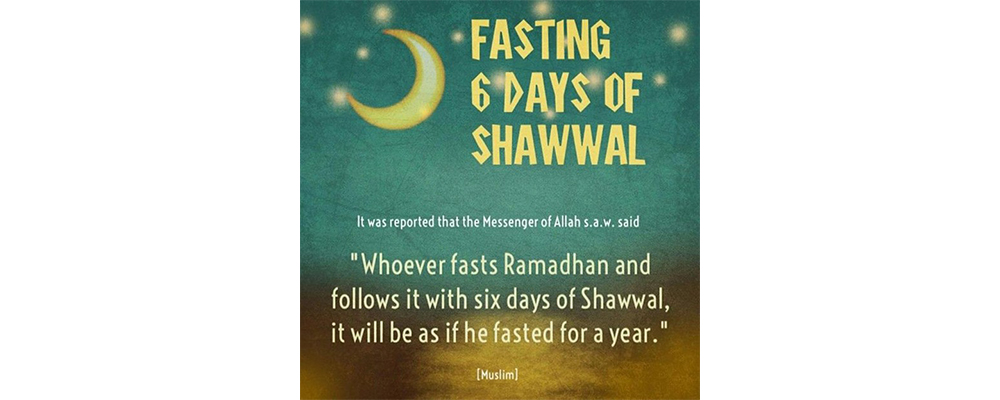
After Ramadan, you can continue to fast on specific days, such as the six days of Shawwal. These fasts are recommended and bring the reward of fasting for an entire year. Also, fast on Optional Days, as our beloved Prophet Muhammad (PBUH) recommended fasting on Mondays and Thursdays. These regular fasts can be a way to maintain the discipline of fasting while also gaining spiritual rewards.
9. Make Dua (Supplication):
Keep making dua (prayers) for yourself, your family, and the world. Post-Ramadan is a great time to pray for personal goals, spiritual growth, and well-being.
10. Maintain Healthy Habits:
Ramadan often improves your awareness of your health and well-being. Post-Ramadan is a good time to adopt healthier eating habits and maintain a balanced lifestyle.
11. Strengthen Relationships:
Use the time after Ramadan to reconnect with family and friends, strengthening relationships and maintaining bonds that may have been renewed during Ramadan.
12. Repentance & Self-Reflection
Regular Tawbah (Repentance): Repentance is a key aspect of Islam. Continue to seek forgiveness for your mistakes and strive to improve. Doing so keeps your heart humble and your connection to Allah strong.
- Self-Evaluation: Regularly assess your actions, thoughts, and intentions. Ask yourself how you can grow spiritually and improve your character. Aim for consistency, not perfection.
13. Practice Gratitude:
Ramadan teaches us the value of gratitude. After Ramadan, acknowledge and thank Allah for the blessings in your life, big and small. This can be done through prayer, daily reflection, or mindfulness.
14. Avoid Major Sins:
Stay Away from Distractions: By eliminating distractions, Ramadan helps people focus on worship. After Ramadan, avoid habits or situations that take you away from Allah, such as excessive entertainment, gossip, or harmful behavior.
15. Balance Your Spiritual and Worldly Life:
Balance your spiritual practices with worldly responsibilities. Success in this life and the Hereafter requires managing your faith and daily duties.
By making these practices part of your daily routine, you can grow spiritually and maintain the benefits of Ramadan year-round.
In conclusion, I would like to recommend a wonderful dua to the readers that will help keep us all steadfast in our deen.
يَا مُقَلِّبَ الْقُلُوبِ ثَبِّتْ قَلْبِى عَلَى دِينِكَ
“O Controller of hearts, make my heart firm in Your religion.”
0 Comments