
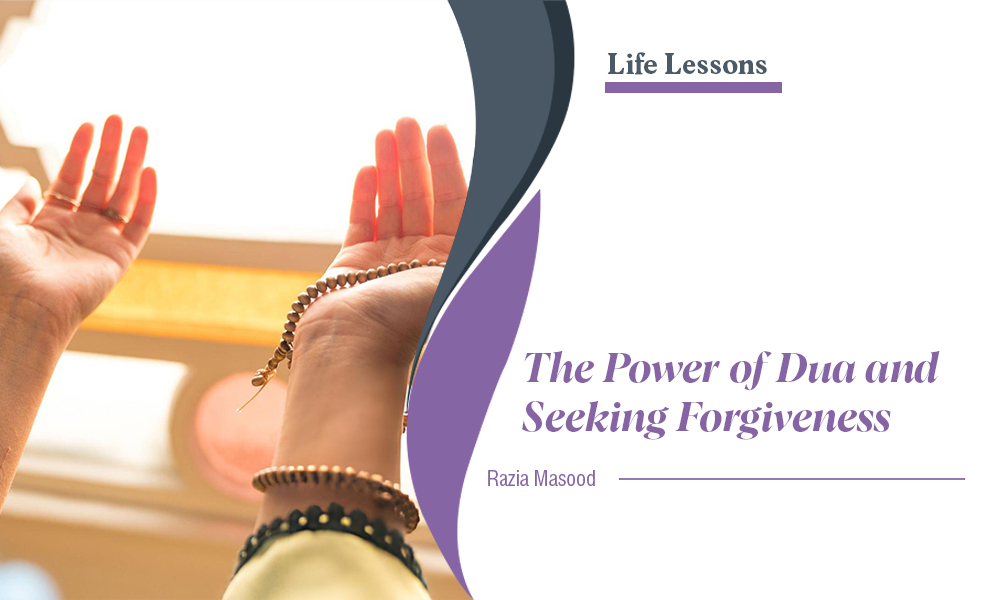
The Power of Dua
In Islam, Dua (supplication) is a profound means of connecting with Allah (SWT). It allows individuals to humbly seek His mercy, guidance, and forgiveness, fostering a deep sense of spirituality and devotion. Dua is a direct conversation between a servant and his Lord, expressing desires, repentance, and gratitude. The Prophet Muhammad (PBUH) said:
“There are three whose supplication is not rejected: the fasting person when he breaks his fast, the just ruler, and the supplication of the oppressed.” (Tirmidhi)
Dua is a powerful weapon, cherished by Allah above all else. It empowers us but only when offered with a focused heart. Allah’s blessings are limitless, yet we often fall short in seeking them. Throughout history, Allah has consistently demonstrated His mercy and forgiveness by answering the prayers of His prophets. Some examples include:
- Adam (PBUH) sought forgiveness after his mistake, and Allah forgave him.
- Noah (PBUH) was mocked by his people, yet Allah answered his call for help.
- Ibrahim (PBUH) was thrown into a fiery furnace, but his trust in Allah led to a miraculous deliverance.
- Yunus (PBUH) was rescued from the depths of the sea after crying out to Allah.
- Yaqub (PBUH) called upon Allah when he was sick and was healed.
- Musa (PBUH) called upon Allah when he was helpless, and Allah made him rich.
- The Prophet Muhammad ﷺ cried out to Allah on the battlefield of Badr and was helped by angels.
Another important time to make Dua is during the last part of the night. The Prophet Muhammad (PBUH) said:
“Our Lord descends every night to the lowest heaven when one-third of the night remains and says: ‘Who is calling upon Me so that I may answer him? Who is asking Me so that I may give him? Who is seeking My forgiveness so that I may forgive him?’” (Bukhari, Muslim)
This highlights the incredible opportunity of Tahajjud prayers, which is available every night, not just during specific occasions.
Dua and Seeking Forgiveness
We must continuously make Dua, seek forgiveness, and repent to Allah throughout the year. There are many moments when Allah, the Most High, opens His door of mercy and accepts prayers (Dua), including:
- Tahajjud prayers (offered in the last part of the night)
- When it’s raining
- During travel
- Between the Adhan and Iqamah
- On Fridays
- While in prostration (Sujood)
These moments remind us that Allah’s mercy is not limited to a particular month or occasion but is available at all times for those who sincerely turn to Him. The righteous predecessors (Salaf-e-Salih) invoked Allah’s name with fervor, recognizing the immense power of supplication (Dua) as a vital tool in their spiritual journey.
To pray is an act of worship, and not praying is a sign of arrogance—there is nothing worse than arrogance. The Prophet Muhammad (PBUH) was the most pious of all men and prayed with the utmost humility. We should also pray (make Dua) to Allah with hope. Every Dua is accepted by Him, although some are answered immediately, while others may:
- Bring about divine protection from harm.
- Expiate sins.
- Be reserved as a reward in the Hereafter.
Dua establishes a direct connection between the servant and Allah, with no barriers or intermediaries. Allah says in the Qur’an:
“When My servants ask you [O Prophet] about Me, I am truly near. I respond to one’s prayer (Dua) when they call upon Me. So let them respond with obedience to Me and believe in Me, perhaps they will be guided to the Right Way.” (Qur’an 2:186)
The greatest deprivation for a person is to stop praying (making Dua) to their Lord—the Creator, Owner, and Sustainer of all, who has control over life and death. Allah (SWT) accepted the prayers of all the Prophets (PBUH) because they were quick to do good deeds and called upon their Lord with hope and fear.
Dua is also a powerful shield against:
- Evil
- Diseases
- Calamities and disasters
If we sincerely and earnestly beg from Allah while keeping ourselves away from sins, Allah surely hears.
The Importance of Seeking Forgiveness
Allah is the Most Merciful, and He loves to forgive those who turn to Him sincerely. The simple act of seeking forgiveness (saying Astaghfirullah – “I seek forgiveness from Allah”) can erase sins and bring immense blessings.
The Messenger of Allah (PBUH) said:
“Nothing repels the divine decree but supplication (Dua), and nothing increases lifespan but righteousness.” (Tirmidhi – 2139)
One of the most powerful Duas for forgiveness is:
“Allahumma innaka ‘afuwwun tuhibbul ‘afwa fa’fu ‘anni.”
(O Allah, You are Most Forgiving, and You love to forgive, so forgive me.) (Tirmidhi)
This demonstrates how much Allah loves to forgive His servants, no matter the time of year. We should always strive to purify our hearts so that Allah’s blessings and mercy can descend upon us.
May Allah accept all our good deeds, forgive us, and bless us. Aameen
Alhamdulillah! That was an excellent explanation, covering most of the major Duas of Ramadan in great detail.