
The author is a student, a mother and a full-time home-maker.
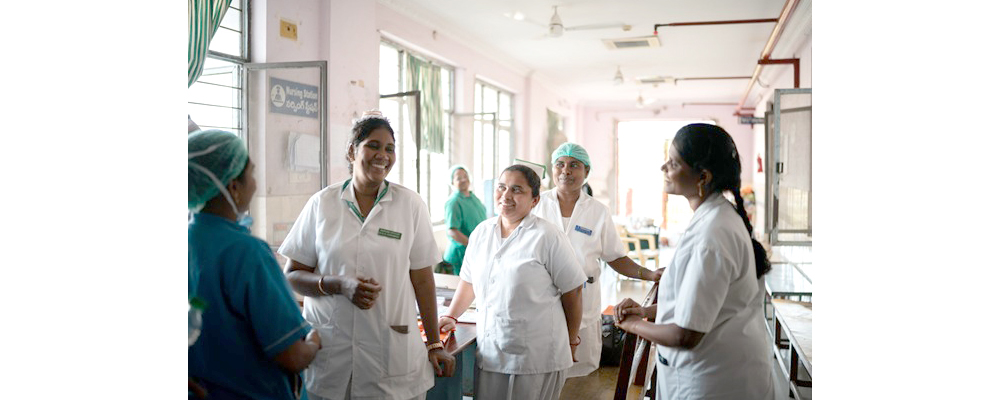
A quick Google search will tell us that a nurse is a person who is trained to look after sick or injured people. So, what’s the difference between nurses and doctors? Doctors provide treatment and medicine to ill or injured persons, whereas nurses act as a bridge between the doctor and the patient’s family. A doctor advises you to take XYZ medicine, whereas your caregiver gives the medicine at the right time and in the right portion. They are the backbone of the support system for individuals who require care and attention. This could be for a limited time or a lifetime.
Roles of Nurses and Caregivers
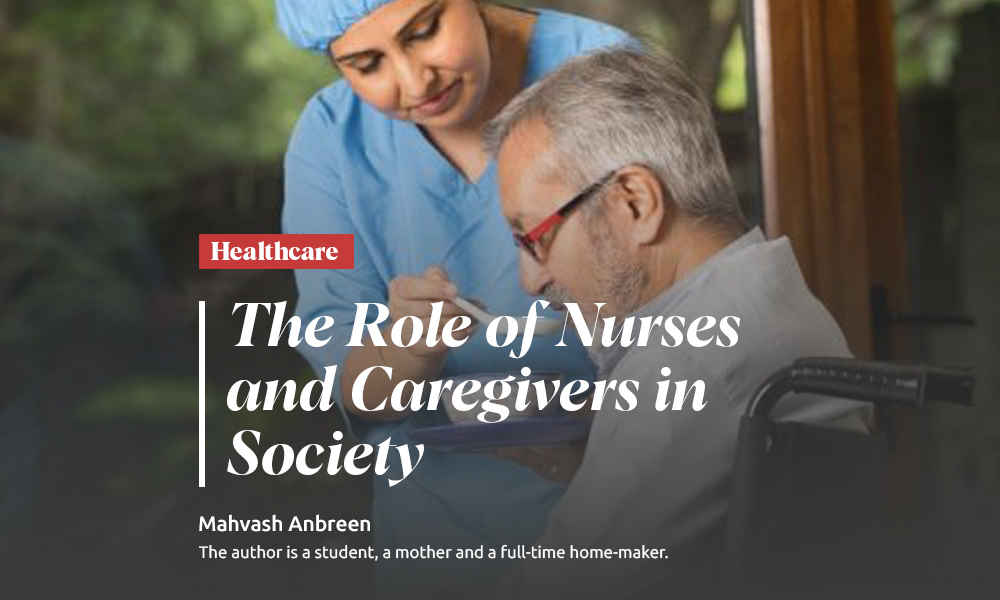
Caregivers—whether professional or informal (often family members)—provide essential help like feeding, bathing, walking, etc., often promoting speedy recovery and overall well-being.
Emotional and Mental Care
- Illness disturbs a person mentally and emotionally. Nurses and caregivers offer comfort and compassion to them. They help patients and their families cope with illness, grief, or stress.
Public Health and Education
- Nurses educate communities about health practices, disease prevention, and wellness. They also play a key role in vaccination drives, health screenings, and public health campaigns.
Essential Daily Crisis Management
- In times of pandemics, natural disasters, or emergencies, nurses and caregivers work on the frontline, risking their lives to safeguard people’s health.
Historical Perspective: Nursing in the Prophet’s Era
During the Prophet’s era, it was a common tradition among the Quraysh and other Arab tribes to send newborns to be raised by Bedouin wet nurses. They could have the best upbringing and care, so Prophet Muhammad (PBUH) was sent to them. The wet nurses became the ones who breastfed and cared for the baby during those early years, usually up to the age of two. This was not just good for the overall well-being of the baby but also the health of the mother.
These nurses became the foster mothers for the children, and their families became the foster families. These women were of good reputation, and this arrangement was highly respected. There are even Islamic rulings and kinship laws where children who were breastfed from the same woman were considered siblings. The Prophet (PBUH) used to stand up for the great Bibi Halima and even spread his cloak for her to sit. He never forgot the love and care she gave him as a baby. Apart from this, women also worked as nurses to provide healthcare to the Sahabah during various battles.
Modern Example: The Pandemic Response
Recently, people all over the globe were badly hit by the pandemic. Nurses and caregivers, whose work often goes unrecognised, risked their lives to provide healthcare and support systems for distressed families. One such story is that of countless Muslims across India who stepped up as caregiver volunteers and frontline workers, embodying the true spirit of compassion and community service.
Performing last rites, providing medical kits, delivering medicine, and distributing food were organised by various Muslim organisations like Anjuman-e-Haideri, Jamaat-e-Islami Hind, etc. One must not forget that Muslims were falsely blamed during the early stages of the pandemic. By caring for the sick, feeding the hungry, and standing with the grieving, they challenged stereotypes and showed the world what true Islamic values look like in action.
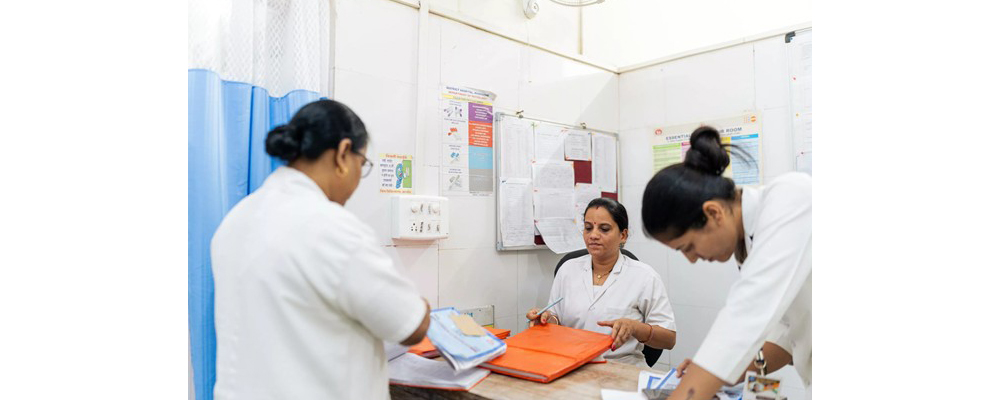
Challenges Faced by Nurses and Caregivers
Work Overload
- Long shifts and huge demand burn out nurses completely. In many Asian cultures, it is mostly women who are burdened with caregiving responsibilities.
Physical Strain
- Nurses and caregivers often have to lift patients, assist with their mobility, or perform other tasks, which can lead to fatigue.
Emotional Strain
- Managing the emotional demands of caregiving includes anxiety, stress, and feelings of burnout.
Lack of Personal Growth and Development
- Limited opportunities for career advancement and being confined by caregiving responsibilities can lead to social isolation and uncertainty about the future.
Stigma and Lack of Recognition
- Nurses and caregivers often face stigma or lack recognition for their critical work.
Limited Support and Resources
- Lack of access to support services, resources, and training can hinder their ability to provide optimal care.
What Can Be Done?
Positive Work Environment
- Foster a positive work environment that promotes respect, empathy, and support among colleagues.
Open Communication
- Encourage open communication and feedback to address concerns, share ideas, and improve workflows.
Recognition and Rewards
- Recognize and reward caregivers and nurses for their contributions through employee recognition programs and bonuses.
Work-Life Balance
- Support work-life balance by offering flexible scheduling, paid time off, or other benefits that promote well-being.
Professional & Educational Opportunities
- Offer opportunities for personal growth such as continuing education, proper training, or certification.
By implementing the above points, we can not only make the work of caregivers and nurses more interesting and rewarding, but also improve the standard of care they provide.
0 Comments