
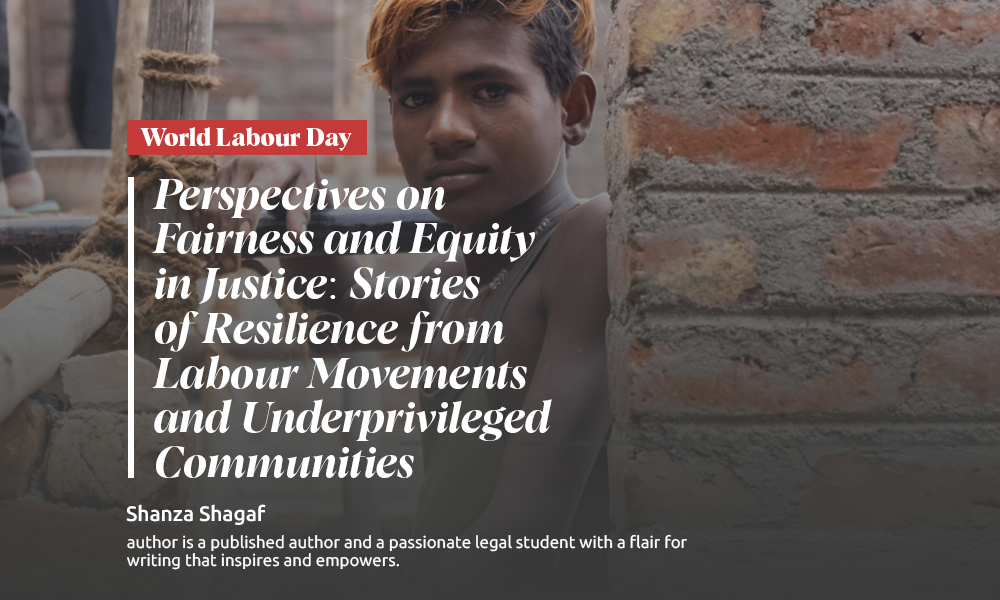
Author is a published author and a passionate legal student with a flair for writing that inspires and empowers.
Justice is often symbolized by the blindfolded lady holding scales a symbol of impartiality and equality. However, in reality, justice is not always blind; it frequently sees status, wealth, caste, gender, and influence. For many laborers and underprivileged communities, fairness and equity remain aspirational rather than attainable. Yet, despite systemic obstacles, their stories are filled with resilience, courage, and an unyielding demand for dignity.
This article dives into what fairness and equity truly mean in the justice system and how the real-life struggles of the oppressed reveal the gaps in theory and practice.
What Do Fairness and Equity Mean in Justice?
At its core, fairness is about treating people justly, according to laws and norms. It emphasises consistency and neutrality. But equity adds an important layer – it acknowledges that not everyone starts from the same place and that systems must be adjusted to create a level playing field.
Equity, therefore, is about context. Treating a child born in poverty the same way as a child born into privilege may be fair, but it is not equitable. True justice demands both fairness in procedure and equity in outcome.
Labour Movements: Fighting Against Structural Injustice
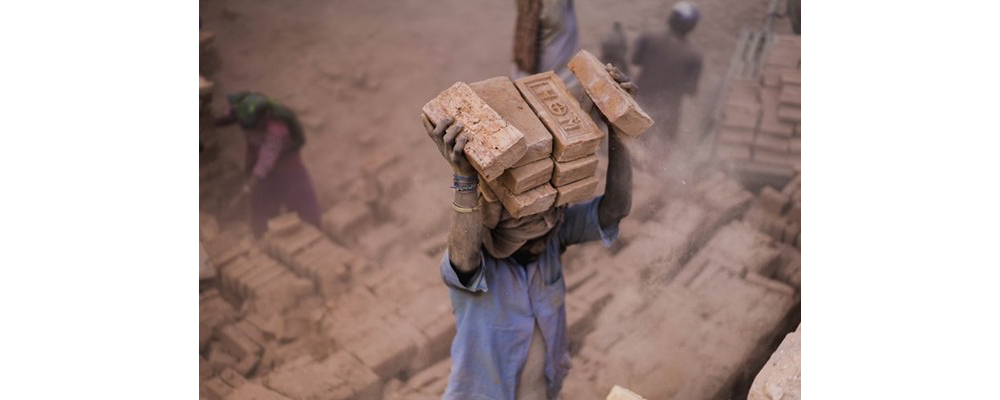
Labour movements have historically played a vital role in pushing the boundaries of justice. From the industrial age to the gig economy, laborers have fought back against unfair systems that exploit their time, health, and lives.
The Textile Mill Workers of Mumbai
In 1982, over 250,000 textile mill workers in Mumbai went on strike, demanding better wages, working conditions, and the right to form independent unions. Led by the dynamic trade unionist Datta Samant, the strike exposed deep-rooted inequalities in India’s industrial system. Although the movement was ultimately crushed due to political and industrial opposition, it sparked nationwide debates about labour rights.
The Gig Economy and Modern Labour Struggles
Today, the faces of labour may have changed, but the exploitation continues. Gig workers, such as those working for Swiggy, Zomato, or Uber, are often denied job security, insurance, and minimum wages. In response, these workers have begun organising digitally and physically—demanding recognition, fair pay, and social protection. These modern struggles show how old issues persist in new forms.
Voices from the Margins: Justice for the Underprivileged
Justice is not equally accessible. Marginalised communities such as Dalits, Adivasis, migrants, women, and slum dwellers often face not just poverty, but prejudice embedded in institutions.
The Chengara Land Struggle
In 2007, over 7,000 landless families, mainly Dalits and Adivasis occupied land owned by a private company in Kerala. They were not criminals; they were people without homes, fighting for their right to land. Their peaceful protest lasted for years, demanding that the government redistribute unused plantation land to those who had none. Though the struggle faced backlash, it brought visibility to the landlessness issue and forced the state to respond.
Urban Displacement and Slum Demolitions
In cities like Delhi, Mumbai, and Kolkata, the poor are often treated as ‘encroachers’ despite living in settlements for decades. Evictions are carried out without notice or rehabilitation, displacing thousands overnight. Activist groups and community leaders, however, have resisted these moves, filed public interest litigations and created awareness campaigns to assert their right to shelter.
Gender and Caste: Intersections of Injustice
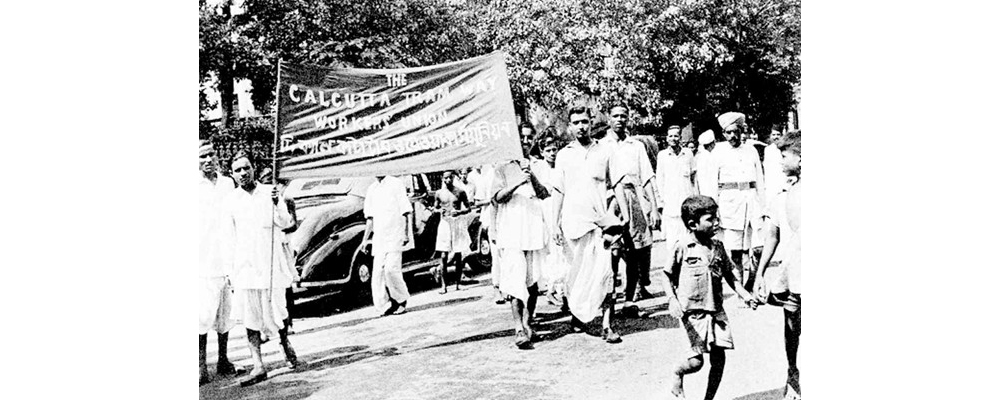
Women from underprivileged communities face double layers of oppression. Caste based discrimination intersects with gender-based violence, making access to justice even harder.
The Case of Bhanwari Devi
In 1992, Bhanwari Devi, a Dalit social worker in Rajasthan, was gang-raped by uppercaste men for stopping a child marriage. Despite the evidence, the trial court acquitted the accused. Her case highlighted the deep caste and gender bias in India’s legal system but also led to the landmark Vishakha Guidelines against sexual harassment at the workplace.
These stories remind us that justice is not just about verdicts but visibility, voice, and validation.
Grassroots Justice: Building from the Bottom Up
- Mazdoor Kisan Shakti Sanga (MKSS) in Rajasthan fought for transparency and accountability, leading to the Right to Information (RTI) Act.
- SEWA (Self Employed Women’s Association) empowers women in the informal sector by offering legal aid, financial literacy, and collective bargaining tools.
- These are not mere organizations they are justice in action.
Reimagining Justice: A Call to Action
- Legal aid and awareness programs for the marginalised.
- Inclusive policies that consider caste, class, and gender.
- Participatory governance, where people are part of the decision-making process.
- Listening spaces, where the oppressed can speak and be heard without fear.
Justice must be more than retribution it must be about restoring dignity, healing historical wounds, and creating structures where everyone can thrive.
Conclusion: The Power of Resilience
Despite centuries of marginalization, underprivileged communities and laborers continue to resist, organize, and reclaim justice. Their stories are not of defeat, but of courage. They remind us that justice is not given, it is claimed, often at great personal cost.
As members of a democratic society, it is our duty not just to study fairness and equity, but to live it, demand it, and fight for it for ourselves and for those whose voices are still silenced.
0 Comments