

Translated from Urdu
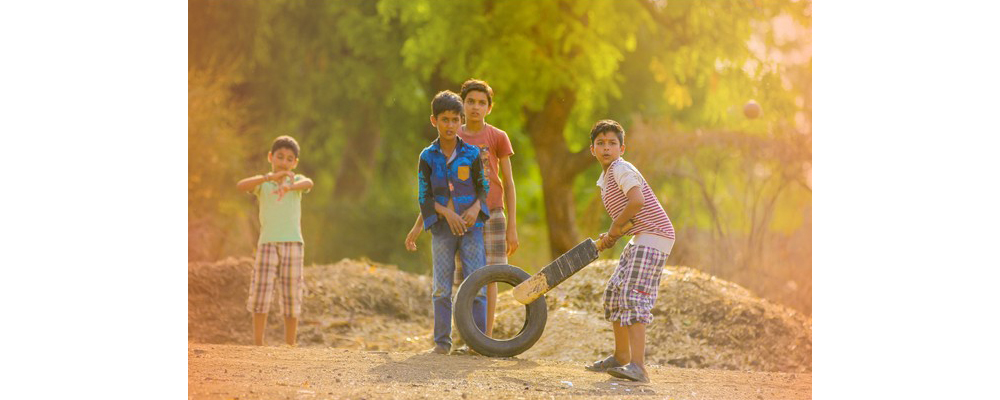
For children, summer vacation means endless fun and enjoyment. But children are just children—they don’t naturally understand how to make the best use of this time. It is the responsibility of parents to ensure that these holidays are used in a productive and meaningful way to benefit their children.
Children are always active; expecting them to sit idle is unrealistic. If a child is sitting quietly and withdrawn, it might be a sign of mental distress. Children possess immense potential, skills, talents, hopes, dreams, enthusiasm, and energy. Just as rivers are channeled to irrigate land, children’s energy should be directed toward constructive activities that help shape their personality. One of the biggest challenges parents face during summer holidays is how to keep children engaged.
The Importance of Summer Activities
Summer vacation offers an excellent opportunity to introduce children to new experiences. Engaging them in meaningful activities during these two months can have long-term benefits. With school routines paused and friends often away, children may feel lonely or unproductive. Similar to the isolation experienced during COVID-19, children can become mentally and physically stagnant during this period. Often, TV and mobile phones become the go-to distractions, offering parents temporary relief. However, the need of the hour is to keep children engaged through proper planning and meaningful activities to develop their character. Below are some suggestions to help with this:
Create a Daily Timetable
- Date
- Regular prayers (Salah)
- Qur’an recitation
- Practicing Sunnah
- Dhikr (remembrance of Allah)
- Reading
- Writing
- Craft work
- Midday nap (Qailulah)
- Study/Reading time
Prayer, Qur’an, and Dhikr
Incorporate all five daily prayers into the child’s routine, performed on time and with concentration. After prayer, encourage Qur’an recitation along with translation and memorization. With consistency, these practices will become habits.
Practicing Sunnah
Encourage children to practice the Sunnah they learn at school or madrasa at home. This includes manners for drinking water, eating, sleeping, waking up, going out, and returning home, as well as reciting related supplications. These habits build discipline and mindfulness.
Learning a New Language
Children can learn a new language during the holidays, which could be beneficial later in life. For instance, understanding the Qur’an better through Arabic and grammar courses. Many such courses are available online, and parents can guide children through them.
Reading and Writing Practice
Encourage children to read and write daily in Hindi, Urdu, and English. Writing a page or two daily improves fluency and removes hesitation. Focus on subjects they struggle with—reading comprehension, writing skills, or math difficulties can be worked on during this time.
Craft Work
Crafts involve hands-on activities like creating decorative or useful items. It enhances creativity, problem-solving, and confidence. There are countless craft tutorials available on YouTube (search “craft DIY for kids”). Crafting keeps children engaged and productive.
Midday Nap (Qailulah)
Encourage children to rise and sleep on time and include a short rest during the day. It helps in reducing fatigue and protects them from summer heat.
Religious Reading
Provide children with Islamic books that expand their religious knowledge. Encourage them to read about the life of the Prophet Muhammad ﷺ, the companions (Sahabah), and the Mothers of the Believers (Ummahat al-Mu’mineen). This builds spiritual, ethical, and moral values.
Encourage newspaper reading and subscribe to children’s magazines.
Skill Development
Identify and nurture a child’s talent. If a child enjoys writing, encourage them to write stories or essays. If they are good at public speaking, organize small neighborhood gatherings where they can deliver talks on ethics or teachings from the Qur’an and Hadith. Some children love collecting items like quotes, poetry, or meaningful sayings—encourage them to keep a journal.
Physical Activities and Exercise
Apart from regular play, encourage children to go for walks, do light exercises, yoga, or cycling. Many schools organize summer camps—explore these based on your child’s interest. Physical activity improves not just health but also discipline.
Household Responsibilities
Involve children in age-appropriate household tasks. Assign responsibilities such as cleaning, setting the table, managing water supplies, budgeting, or even keeping track of prayer times. These tasks instill responsibility and enhance maturity, providing valuable life experiences.
Creative Work
Encourage children to work on their creative skills—painting, designing, crafting, etc. Children can also write poetry, plays, or short novels, which requires extensive reading. Creative expression helps children discover their interests and builds their identity.
Gardening
Taking care of plants is a rewarding activity. Have your child plant fruit-bearing, flowering, or medicinal plants and teach them to nurture them. It fosters a connection to nature and teaches responsibility. Planting trees also brings spiritual reward and helps improve the environment.
Play and Recreation
Games are an inseparable part of childhood. Give children ample opportunities to play indoor and outdoor games. This reduces dependence on mobile devices and enhances both mental and physical health. Games help children develop leadership qualities and critical thinking.
0 Comments