
The author is a law student and a graphic designer, and they like blending storytelling with purpose for social impact
Introduction:
When Media Becomes a Gatekeeper of Truth
2025 exposed a deepening crisis not just in global politics, but in journalism itself. As conflicts escalated, civic freedoms shrank, and marginalised voices demanded space, mainstream media increasingly functioned less as a watchdog and more as a curator of acceptable outrage. Stories were framed selectively, moral clarity was diluted, and power was often protected through omission.
This retrospective revisits some of the most telling moments of 2025—not merely to recount events, but to interrogate how they were narrated, distorted, or quietly buried.
- Sudan: The World’s Largest Humanitarian Crisis—And Its Loudest Silence
The war between the Sudanese Armed Forces (SAF) and the Rapid Support Forces (RSF) spiralled into what the UN termed the world’s largest humanitarian catastrophe. Over 12 million people were displaced, tens of thousands killed, and entire regions pushed toward famine.
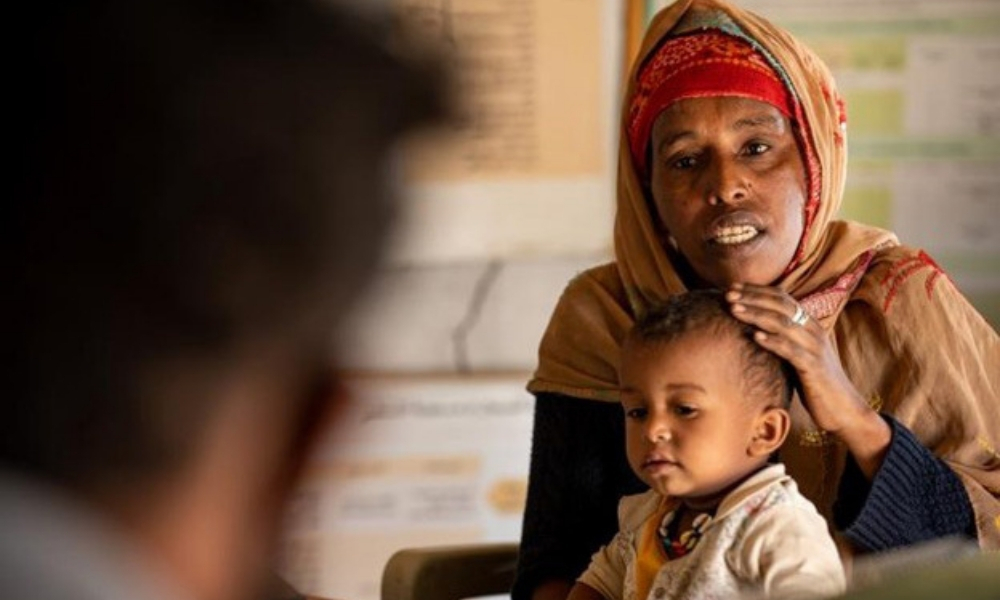
RSF advances across Darfur and Kordofan—including El Fasher—revived the unresolved horrors of the Darfur genocide. Camps sheltering hundreds of thousands lost access to food, clean water, and healthcare as aid agencies were blocked or attacked.
Yet global media treatment remained episodic and anaemic. Coverage focused on visuals of suffering while avoiding uncomfortable truths:
Foreign state involvement and arms pipelines
The continuity of genocidal violence in Darfur
The near impossibility of humanitarian access
The racialised hierarchy of whose deaths count as “breaking news”
Sudan was not under-reported due to lack of severity, but due to lack of strategic interest. This silence is not neutral—it is political.
- Gaza & Palestine: When Objectivity Became Complicity
If one story defined media hypocrisy in 2025, it was Palestine.
As Gaza endured continued bombardment, displacement, famine conditions, and the systematic destruction of civilian infrastructure, coverage was carefully sanitised. Palestinian deaths were framed as statistics, Israeli actions as “responses,” and resistance as pathology rather than consequence.
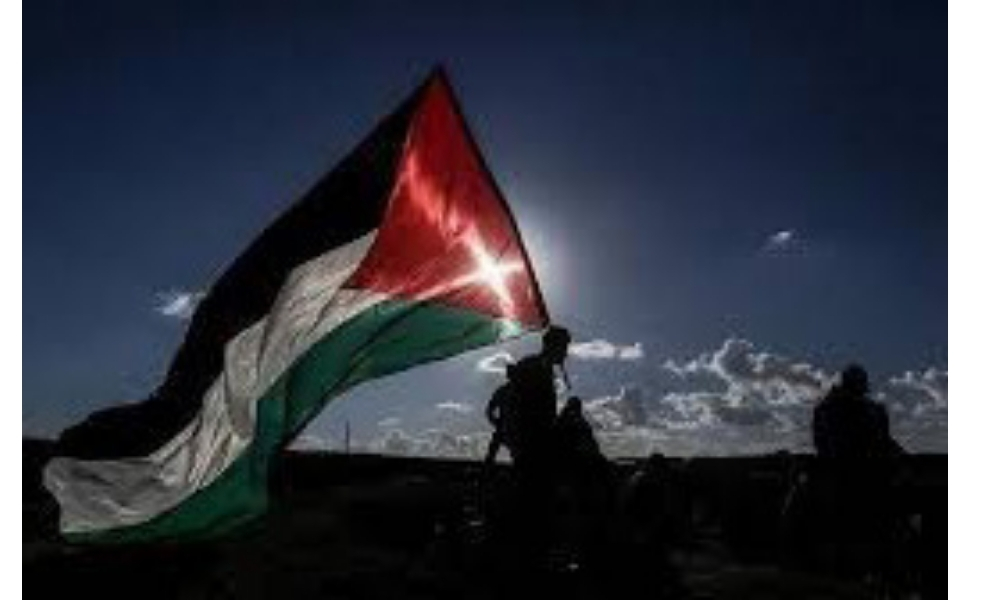
Key patterns dominated:
- Passive language for state violence, active language for Palestinian resistance
- “Both sides” framing amid asymmetric power
- Erasure of occupation, siege, and international law
- Criminalisation of pro-Palestine protests across campuses and cities
Muslim voices—journalists, students, doctors, survivors—were frequently questioned, surveilled, or silenced. In 2025, media neutrality often functioned as moral abdication.
- India’s Air Is Toxic—And So Is Policy Apathy
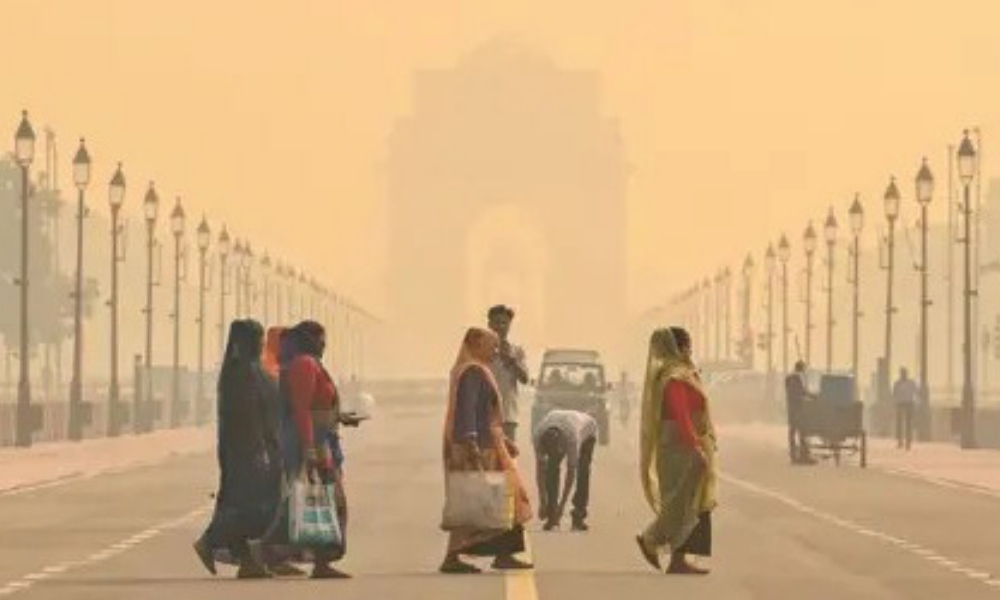
On 19 November 2025, Delhi’s AQI crossed 370, brushing “severe” levels. Students, parents, and activists gathered at Jantar Mantar demanding accountability, not advisories.
Placards read:
“Right to Life, Not Just Survival”
“Pollution Is Structural, Not Seasonal”
Mainstream coverage, however, reverted to its usual script—blame fireworks, farmers, or weather—while avoiding structural failures:
- Urban planning collapse
- Construction-industry impunity
- Political reluctance to confront corporate polluters
- Excessive focus on the capital rather than recognising it as a much more pervasive issue
Environmental injustice remains a class and faith issue—Muslim and working-class neighbourhoods consistently bear the brunt, yet are absent from prime-time narratives.
- Red Fort Blast: Sensation Without Structural Questions
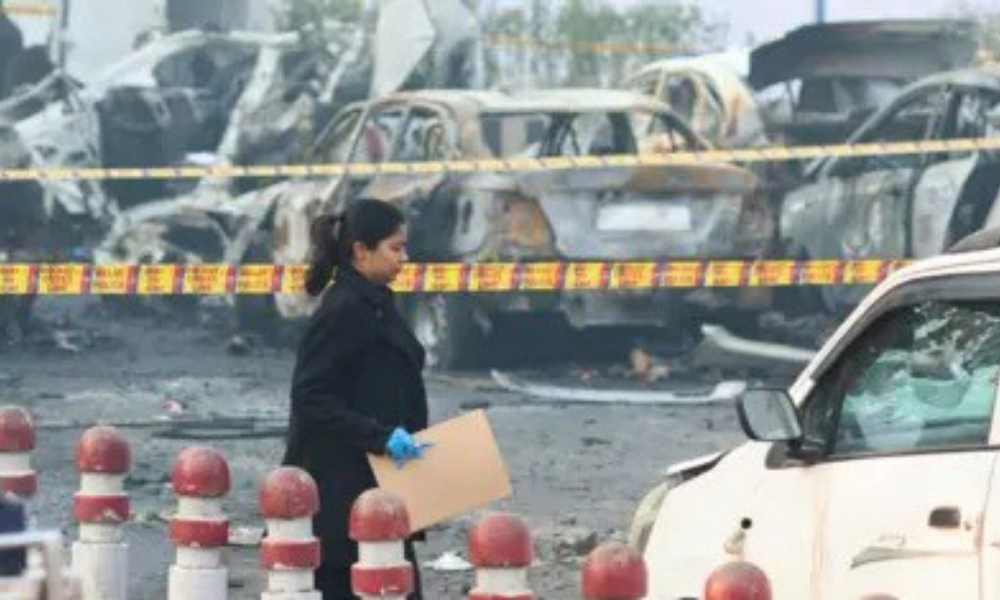
The 10 November 2025 car blast near Red Fort, killing eight, triggered wall-to-wall coverage. Security visuals, studio outrage, and nationalist rhetoric dominated headlines.
What received far less attention:
- Surveillance failures
- How explosives moved undetected for months
- Preventive intelligence lapses
Terrorism was framed as identity-driven rather than systemically enabled, reinforcing suspicion toward already marginalised communities.
- Zohran Mamdani & the Politics of Muslim Visibility
New York lawmaker Zohran Mamdani became a media paradox in 2025—celebrated for progressive credentials, yet relentlessly branded a “radical socialist” and “anti-police agitator.”
Coverage revealed deeper discomfort with Muslim political agency:
- His policy record was overshadowed by ideological labelling
- His immigrant identity was tokenised, not contextualised
- His rise among Asian-American and Muslim youth was under-analysed
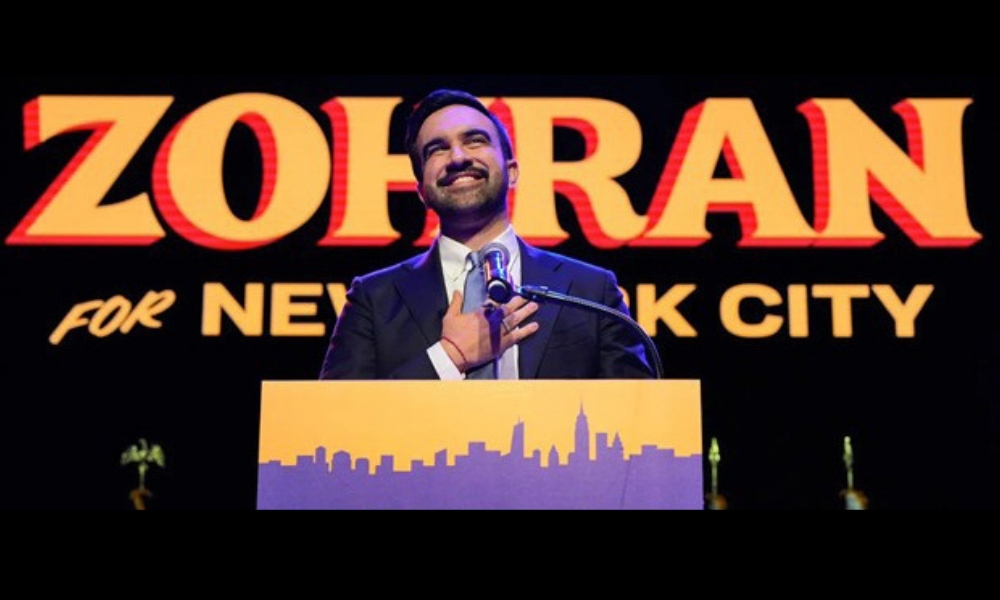
The media remains uneasy with Muslims who are not apologetic, quiet, or symbolic. Mamdani’s portrayal reflects broader anxieties about Muslims shaping—not just surviving—democratic spaces.
- Islamophobia, Surveillance & the Shrinking Civic Space
Across India, Europe, and North America, 2025 saw:
- Expanded surveillance of Muslim communities
- Criminalisation of dissent and protest
- Campus crackdowns on Palestine solidarity
- Algorithmic shadow-banning of Muslim content
Media often echoed state narratives of “security” and “order,” rarely interrogating how these measures disproportionately targeted Muslims and racialised groups. The erosion of civil liberties was normalised under the language of stability.
Conclusion: Watching the Watchers
In 2025, the question was not whether the media reported events—but whose pain it amplified, whose anger it legitimised, and whose truths it buried.
For Muslim-run platforms, the task ahead is clear:
To document what is erased.
To question what is normalised.
To refuse false balance where injustice is asymmetrical.
The Fourth Estate must be watched—because silence, too, is a position.
0 Comments