
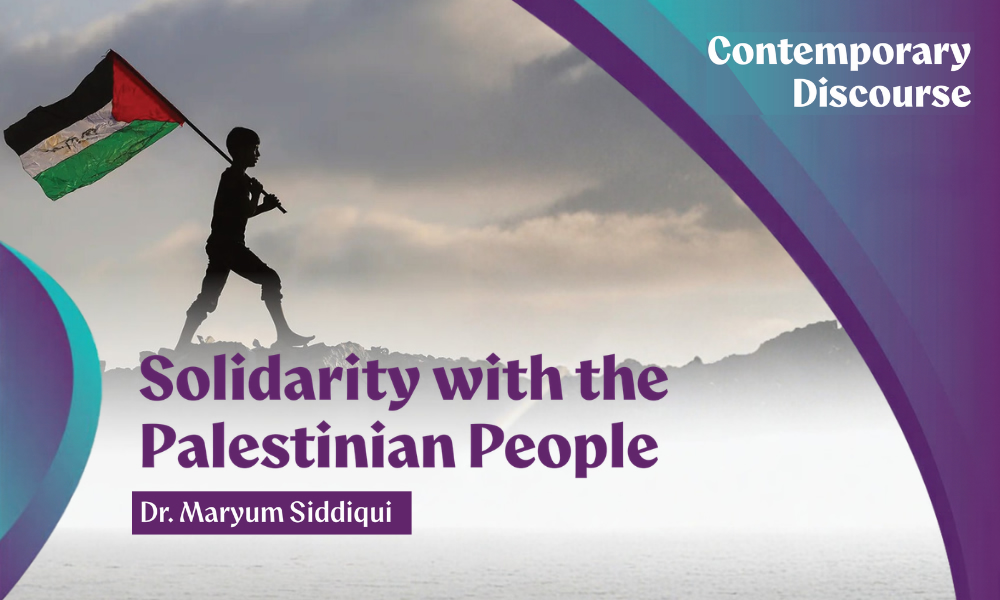
You are sitting with the book in your hands comfortably. Everything around seems calm, without sirens or pounding footsteps, without any explosions or desperate calls. Everything is as it should be. Now imagine you are reading a book with blood-smeared pages, a door of tin attached to hinges, and a plastic sheet instead of a wall. There is no roof above your head but a fragile translucent sheet that separates you from the sky. The only sounds are the cries of birds that sound like sirens and the muffled noises of distant bombs. Every evening before going to sleep, you count the people you love and memorise the shape of their faces as if you are saying goodbye to them for the last time. You are overwhelmed with the unbearable fear that life can end any moment. Every morning, you wake up, check if you are alive and all your parts intact, and are glad that you are alive and whole. You can scream and sob until you lose consciousness, but you will stop eventually, and nothing will change. A buffet table is now a pile of corpses, a full plate of sandwiches is a few pieces of bread, and a complete apartment is in ruins. Acute emergency has become a matter of everyday life, and the why and how have lost their meaning. The next and now is what matters.
This is what an average Palestinian life has looked like for the last two years. A dispute over territory that began as a mere struggle for land gradually turned into a fight for the survival of an entire nation. The land that once warmly welcomed its residents now weeps as its inhabitants wage a desperate war on their own soil. The injustice faced by Palestinians at the hands of Israelis has awakened dormant feelings of resistance in people’s hearts. Resistance is now the natural reaction of a nation insulted and humiliated. This depressing reality of life under occupation is ignored by the global community, leaving the Palestinians to fight for their survival on their own. The struggle of the Palestinians to defend their homeland and way of life has become an expression of resistance that the world can watch helplessly.
A Human Crisis, Not a Political Puzzle
Some may argue over whose land it truly is, or suggest they simply give it away to end the conflict. But where would the moral high ground go? Why would anyone in their right mind leave their homeland? That is a debate for another day. Decades of broken promises have left their future uncertain, yet one truth stays simple: human dignity cannot be redrawn.
At its heart, this is not a complex political puzzle; it is a human crisis happening in real time. Strip away the borders, the history, and the endless debates, and what remains are real people fighting to survive each day. A child needing food, a family seeking shelter from bombs, or a parent searching for clean water does not care about political arguments. Universal human rights and basic dignity must come before any strategy or ideology. Before we discuss boundaries, treaties, or politics, we must agree on one simple truth: saving human lives and easing suffering always comes first.
What Solidarity Really Means
Solidarity means more than a shared emotion or a performative social media post; it is a steady, deliberate, and consistent choice to study, stand, and see through those enduring suffering, backed by the rough-edged fact that human dignity is universal and, ultimately, interconnected.
Solidarity has always been, and it continues to be, the cornerstone of resistance movements around the world. However, solidarity is not just an abstract ideal or a hashtag that appears on social media. Solidarity is a conscious, deliberate approach that is based on the following pillars: a thorough understanding of the situation, the corresponding actions to help, and respect for dignity in general, regardless of religion, nationality, or any other distinguishing features.
For the Muslim community, solidarity is a religious duty, as Prophet Muhammad (peace be upon him) said that “the believer is like one body; if one part hurts, the whole body feels the pain.” This hadith refers to the fundamental nature of solidarity in Islam, which extends to all areas of life and relations between various segments of society. At the same time, this concept is not exclusive to Muslims, as it is also part of Judaism, Christianity, and other religious traditions. Jews, for instance, emphasise the importance of saving lives (pikuach nefesh), and Christians promote universal values such as human rights (universal rights).
From Empathy to Action
Taking real humanitarian action starts with clear, reliable steps that prioritise both direct support and emotional well-being. Start by choosing trusted, transparent organisations like UNICEF, UNRWA, or the Red Cross to ensure your zakat, sadaqah, or general donations deliver urgent food, clean water, and medical supplies. While immediate relief is critical for survival, funding long-term education, healthcare, and infrastructure empowers displaced families to rebuild their lives with dignity. Equally important is protecting your mental health from the endless stream of distressing, unverified social media content. Set digital boundaries by turning off auto-play, muting triggering keywords, and limiting news checks. When sharing online, refrain from posting graphic footage; instead, amplify verified facts, support local awareness, and engage in thoughtful reflection.
Advocating thoughtfully transforms quiet empathy into sustained protection for vulnerable communities. Responsible advocacy means fact-checking information before sharing, speaking with care, and contacting elected representatives to demand unimpeded humanitarian access. Supporting local relief initiatives within your own community further ensures that compassion translates directly into tangible, real-world aid.
True solidarity is not a temporary online trend; it is an enduring commitment. By combining structured aid, digital mindfulness, respectful dialogue, and active civic engagement, we help safeguard basic human rights every single day.
0 Comments