

The author is a writer and psychology enthusiast from Belgaum
Imagine this scenario. Back in the 6th century, in the Arab peninsula, two tribes have been fighting with each other for months. Then one day they stop completely. Their swords go into the sheaths. The same people who were killing each other until yesterday now walk in the same streets. How did the war suddenly stop? You might think they signed a treaty or made a peace deal.
The answer is: none of those.
They had entered a sacred month. The month of Rajab, one of the four “haram” (sacred/inviolable) months.
Now comes a question. If these people could completely stop wars when it was a sacred time, what are we willing to do today? A bigger question is: what is the significance of this month in Islam?
Rajab ul-Murajjab
To answer the above question, let’s look at the month itself. Rajab is the seventh month in the Islamic calendar. Narrated Abu Bakra (RA): The Prophet ﷺ said, “The year is of twelve months, out of which four months are sacred: Three are in succession Dhul-Qa’da, Dhul-Hijja and Muharram, and (the fourth is) Rajab Mudar which comes between Jumadi-ath-Thaniyah and Sha’ban”. Allah says in the Qur’an (9:36), that these four months are sacred, and people are commanded to not wrong themselves in these months. Although wrongdoing is serious at all times, it weighs more in the sacred months. Thus fighting is also forbidden, which was the context behind the first scene that you read.
Historical Significance
Most people connect the month with the event of Mi’raj (the ascension of the Prophet ﷺ to the heavens). The purpose of Mi’raj was to show some of Allah’s signs to the Prophet (17:1). This was the night on which the Prophet ﷺ was taken to Al-Quds, and later ascended to the heavens with Angel Jibreel. The narration in Sahih Bukhari (349) states that the Prophet was at his house in Makkah when Jibreel علیہ السلام descended. He opened Allah’s Apostle’s ﷺ chest, washed it with Zamzam water. Then he brought wisdom and faith and poured it in his chest, then closed it. They then ascended to the heavens and met other Prophets in each heaven. Then the Prophet ﷺ reached the Lote tree, beyond which he was gifted fifty prayers for his followers.
While descending back, the Prophet ﷺ met Prophet Musa علیہ السلام, who asked him to appeal for a reduction of prayers, for the followers would not be able to complete them. Five were reduced, but Musa علیہ السلام said that the followers would not abide by that. So he went again. After more appeals, the Prophet ﷺ felt shy of asking again, so the prayers were set to be five each day, with Allah’s promise that the reward of performing five prayers on time will equal the reward of performing fifty prayers. The Prophet ﷺ was also given the closing verses of Surah Al-Baqarah.
Traditions and Celebrations
The event of Mi’raj happened in the month of Rajab, to which many Muslims attribute the month’s significance. The observation and celebrations seen in the South Asian regions, especially in communities of India and Pakistan, on the 27th of Rajab, are commonly observed because of this event. But there are no authentic sources to back this up. The reason for this may be because the earlier Muslims did not track dates for celebrations. The only two celebrations as defined in Hadith are the two Eids: Eid ul-Fitr and Eid al-Adha.
These things need to be considered against the backdrop that customs such as preparing special meals, fasting on the day and staying all night to pray, etc. have no authentic backing. Fasting is encouraged on the 13th, 14th and 15th of every month, if we have the capacity to. Praying at night is another desirable act at any time, but there has been no mention of performing either of these on specific days of Rajab, in the observance of Mi’raj. The celebrations are carried out in the name of religion, while Islam is explicitly against any kind of innovation.
So if these customs are not to be observed, then what actually needs to be done in this month?
A Plan for This Month
Abu Bakr al-Warraq al-Balkhi is quoted as saying that Rajab is the month for sowing, Sha’ban for irrigation, and Ramadan for harvesting. This is for good deeds. So basically, you need to start preparing from Rajab itself in order to reap a good harvest in Ramadan. Something that I personally want to start (and may Allah keep us steadfast), is that I want to pick one small task each week. A thing that I plan for every Ramadan, but often fail to.
For some of us, this could be something like waking up for Tahajjud, or stopping listening to music, or being consistent in praying regularly, guarding your tongue, giving charity, or cutting off all types of haram friendship with the opposite gender. The list goes on and varies for each one of us. Choose one, and keep it small enough so that it doesn’t overwhelm you. A small plan gets repeated, and repetition turns it into habit.
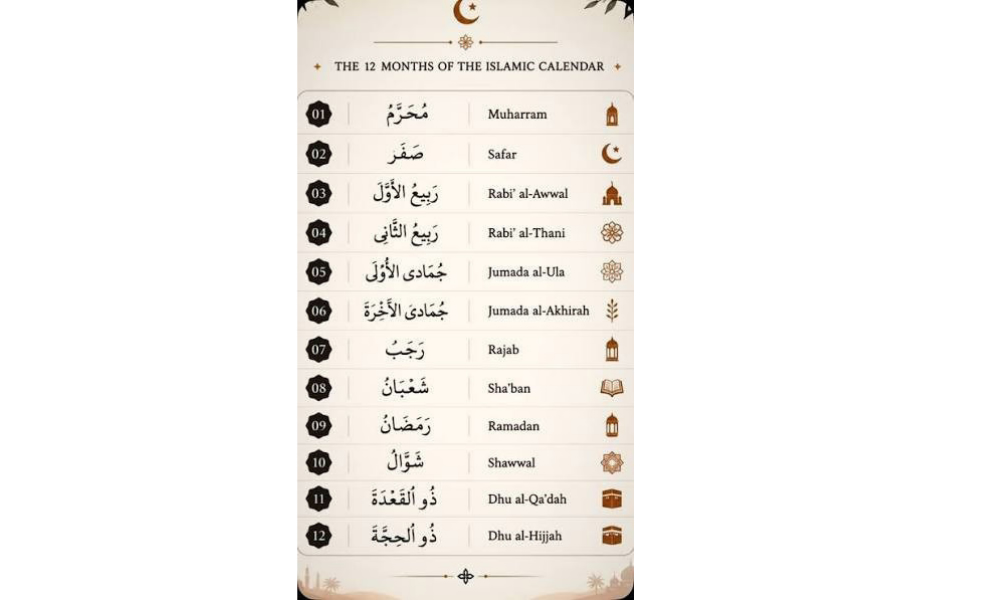
So, start sowing the seeds for the fruits that you want to harvest later. Pick up one small habit that you want to fix in Ramadan, and start working on it from now.
Next thing is irrigation. So whatever good you practise in Rajab, keep it going in Sha’ban. Water the seeds that you have sown already. And until Ramadan comes, our routine will be ready. This will help us to follow through the tasks, instead of having to start fresh in Ramadan itself, and then struggling to keep up with it.
Let’s go back to the opening scene. Those tribes could control their anger and stop wars because of the “sacredness” of the month. Are we willing to put a sheath on our desires, one day at a time?
0 Comments