
The author is a B.Sc. Biotechnology graduate from MAHE Manipal–Dubai
The Quest for Validation in the Digital Age
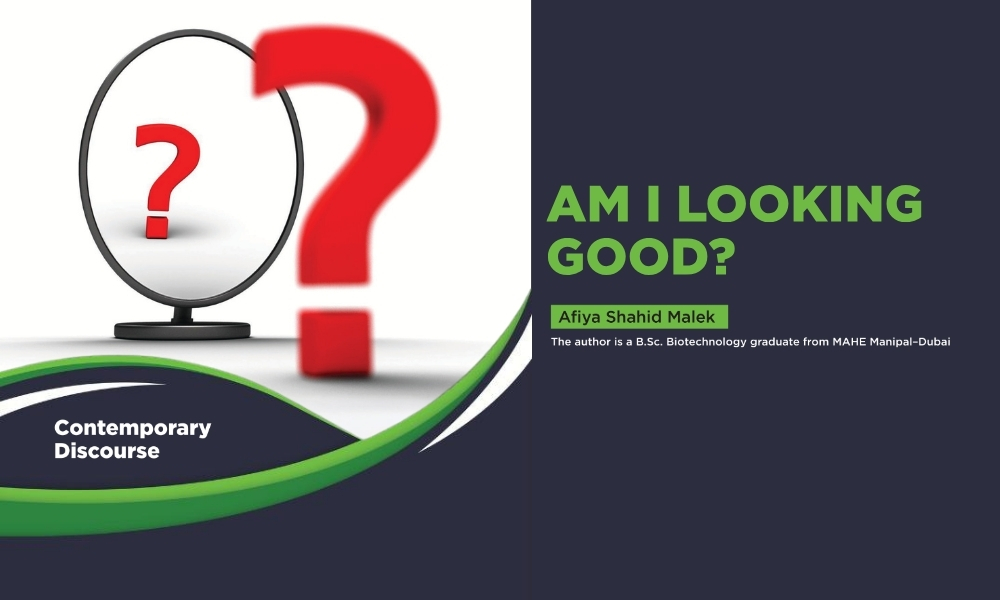
In playgrounds across the world, a troubling scene unfolds daily. Children as young as five and six years old pause mid-play to ask a question that would have seemed absurd to previous generations: “Am I looking good?” This innocent query, once reserved for special occasions or moments of genuine self-doubt, has become a constant refrain echoing through every age group in our society.
What began as natural human curiosity about appearance has morphed into an obsessive pursuit of external validation that spans from kindergarten classrooms to retirement homes. The culprit behind this transformation is not vanity alone, but the pervasive influence of social media culture that has fundamentally altered how we perceive ourselves and seek approval from others.
The Early Seeds of Validation Seeking
Children today are growing up in a world where every moment can be documented, filtered, and shared. They watch their parents meticulously curate Instagram posts, witness older siblings obsessing over Snapchat streaks, and absorb the message that life’s value is measured in likes, views, and comments. By the time they reach elementary school, many children have internalised the belief that their worth depends on others’ approval of their appearance and activities.
This shift represents a departure from healthy childhood development, where self-worth traditionally emerged from internal achievements, family bonds, and genuine friendships. Instead, children now seek validation from an invisible audience, learning to view themselves through the lens of potential social media content before they even understand what social media truly is.
The Adolescent Amplification
As children grow into teenagers, this validation-seeking behaviour intensifies dramatically. Adolescence, already a period of natural identity formation and peer influence, becomes a minefield of comparison and competition. Teenagers spend hours perfecting selfies, agonising over captions, and monitoring engagement metrics as if their social worth depended on it—because, in their minds, it does.

The teenage years, once characterised by experimentation and authentic self-discovery, now revolve around crafting an online persona designed to maximise approval. Students skip real-world experiences to create content, choose activities based on their “shareability”, and measure success by the number of hearts and thumbs-up icons they receive.
Adult Perpetuation of the Problem
Perhaps most concerning is how adults have not only failed to model healthy behaviour but have actively participated in this validation economy. Parents post endless photos of their children’s achievements, seeking praise for their parenting. Working professionals carefully curate LinkedIn profiles and Facebook updates to project success and happiness. Even grandparents join the fray, sharing holiday photos and family moments while anxiously awaiting digital approval from their networks.
This adult participation legitimises and reinforces the behaviour in younger generations.
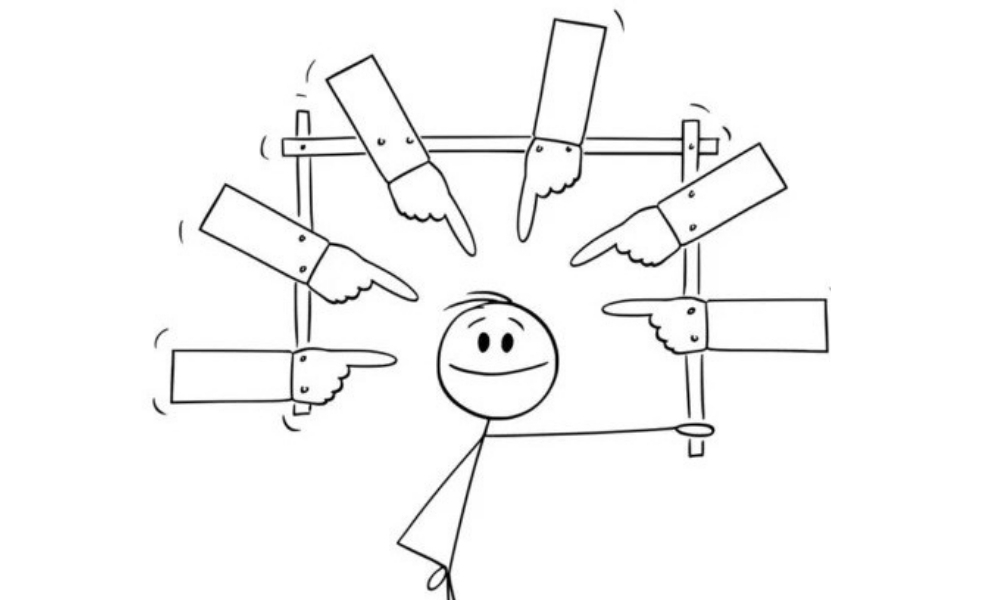
When children see their role models constantly performing for online audiences, they learn that seeking external validation is not just normal but necessary for happiness and success.
The Bubble Effect
The result is what can only be described as a massive societal bubble—a collective delusion where digital validation becomes more important than genuine connection, authentic achievement, or personal growth. People live in carefully constructed online realities that bear little resemblance to their actual lives, constantly performing happiness, success, and attractiveness for an audience of strangers and acquaintances.
Within this bubble, the question “Am I looking good?” becomes a perpetual anxiety rather than an occasional concern. People develop an external locus of control, where their mood, self-esteem, and life decisions depend entirely on others’ responses to their online presence. The irony is stark: in seeking connection and approval, people become increasingly disconnected from their authentic selves and genuine relationships.
The Reality Check
The harsh truth is that this digital validation system is fundamentally hollow. The likes and comments that people desperately seek come from others who are equally trapped in the same cycle of validation-seeking. It is a house of mirrors where everyone is reflecting each other’s insecurities and need for approval, creating an endless loop of superficial interaction.
Real happiness, genuine self-worth, and authentic relationships cannot be built on this foundation. They require internal validation, meaningful connections, and the courage to exist without constant external approval. The moments that truly matter in life—quiet conversations with loved ones, personal breakthroughs, acts of kindness with no audience—rarely translate into social media validation, yet they form the substance of a meaningful existence.
Breaking Free from the Cycle
Recognition is the first step towards change. Individuals, families, and communities must acknowledge that the current path is unsustainable and harmful. Parents need to model behaviour that values internal worth over external validation. Schools should teach digital literacy that includes understanding the psychological impact of social media. Society as a whole must begin to question whether constant documentation and validation-seeking truly enhance our lives or diminish them.
The goal is not to eliminate all concern with appearance or abandon social connection, but to restore balance. “Am I looking good?” should return to being an occasional question rather than a constant anxiety, and the answer should matter far less than “Am I being authentic?” or “Am I treating others with kindness?”
Conclusion
The epidemic of validation-seeking that now affects every age group represents one of the most significant psychological challenges of our digital age. By recognising this bubble for what it is—a hollow substitute for genuine self-worth and connection—we can begin the work of rebuilding a society where people value substance over appearance, authenticity over performance, and internal peace over external approval. The question is not whether we are looking good to others, but whether we are being true to ourselves.
Within this bubble, the question “Am I looking good?” becomes a perpetual anxiety rather than an occasional concern. People develop an external locus of control, where their mood, self-esteem, and life decisions depend entirely on others’ responses to their online presence. The irony is stark: in seeking connection and approval, people become increasingly disconnected from their authentic selves and genuine relationships.
Just what I was looking for in a gaming site. Simple registration and the luck seems to be on my side here. Big thumbs up for 777asgame.
Quick deposits and even quicker withdrawals. It’s hard to find a reliable site like phjili31 these days.