
The author is a Psychologist (MSc Clinical Psychology) and has an eye for details in nature.
World Autism Awareness Day
Every year on World Autism Awareness Day, conversations about autism resurface across schools, institutions, and public spaces. Campaigns urge societies to “raise awareness,” yet awareness alone often remains surface-level. True understanding begins when we ask more difficult questions: How do we define what is “normal”? Why do differences make us uneasy? And how often do our institutions unintentionally exclude those who do not fit established expectations?
Autism is not only a medical or educational concern, it is also a deeply human and psychological conversation about how societies respond to difference.
Understanding Autism: A Different Way of Experiencing the World
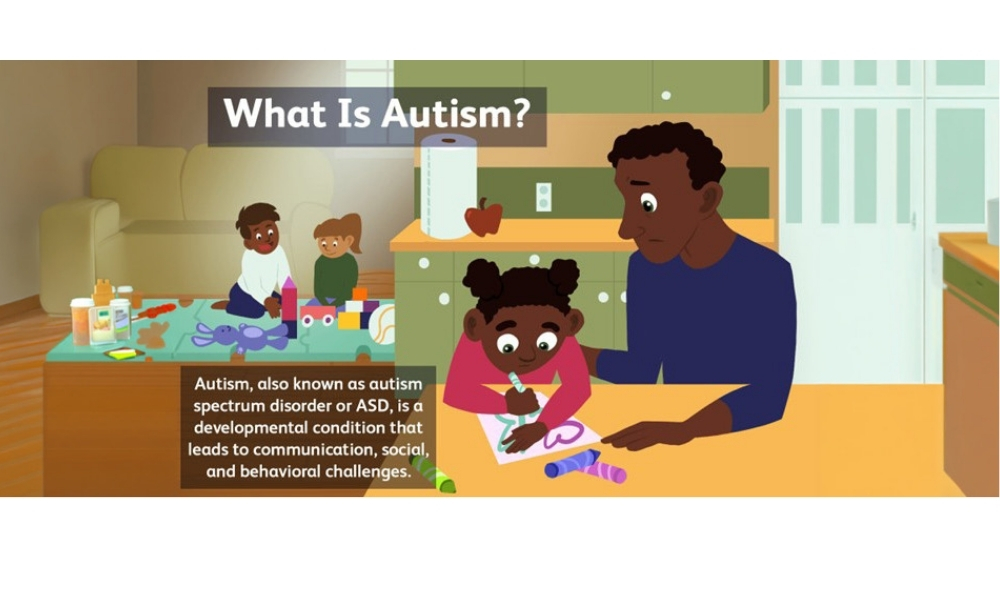
Clinically known as Autism Spectrum Disorder (ASD), autism is a neurodevelopmental condition that influences how individuals communicate, process information, and experience their surroundings. The word “spectrum” is significant. It reminds us that autism does not look the same in every individual. Some people on the spectrum require considerable support in their daily lives, while others live independently and thrive in academic, creative, or professional fields.
For many years, autism was primarily understood through what psychologists call a deficit model, focusing on what autistic individuals supposedly lacked when compared to neurotypical behavior. Today, this understanding is gradually shifting. Increasingly, autism is being discussed through the lens of neurodiversity, which recognizes that human brains do not all function in identical ways.
Many autistic individuals demonstrate remarkable strengths: intense focus, strong memory, attention to detail, or the ability to recognize patterns that others may overlook. At the same time, sensory experiences, sounds, lights, textures, or crowded space, may feel overwhelming. Social interactions that seem intuitive to some may require deliberate effort for others.
Seen through a compassionate lens, these are not simply limitations. They are different ways of experiencing and navigating the world.
Inclusive Education: Creating Space for Every Mind
For many autistic children, school is where their differences first become visible. Classrooms are usually organized around shared expectations, how long students should concentrate, how they should communicate, and how they should behave in group settings.
When a child learns differently, these expectations can turn ordinary school experiences into daily challenges. A bright classroom may feel painfully intense, a noisy hallway may become distressing, or unspoken social cues among peers may feel confusing.
Inclusive education attempts to address this gap between individual needs and institutional structures. Rather than expecting children to fit into rigid systems, inclusive approaches adapt learning environments to support diverse ways of thinking and learning. This may include individualized learning strategies, sensory-friendly classrooms, or teachers trained to recognize and support neurodivergent students.
Importantly, inclusion benefits everyone. When children grow up learning alongside peers who think and communicate differently, they develop empathy, patience, and a deeper understanding of human diversity. Such environments help nurture communities that are more compassionate and socially aware.
The Quiet Weight of Stigma
Despite increasing awareness, many families and individuals affected by autism still encounter misunderstanding and stigma. Often this stigma does not arise from hostility, but from unfamiliarity.
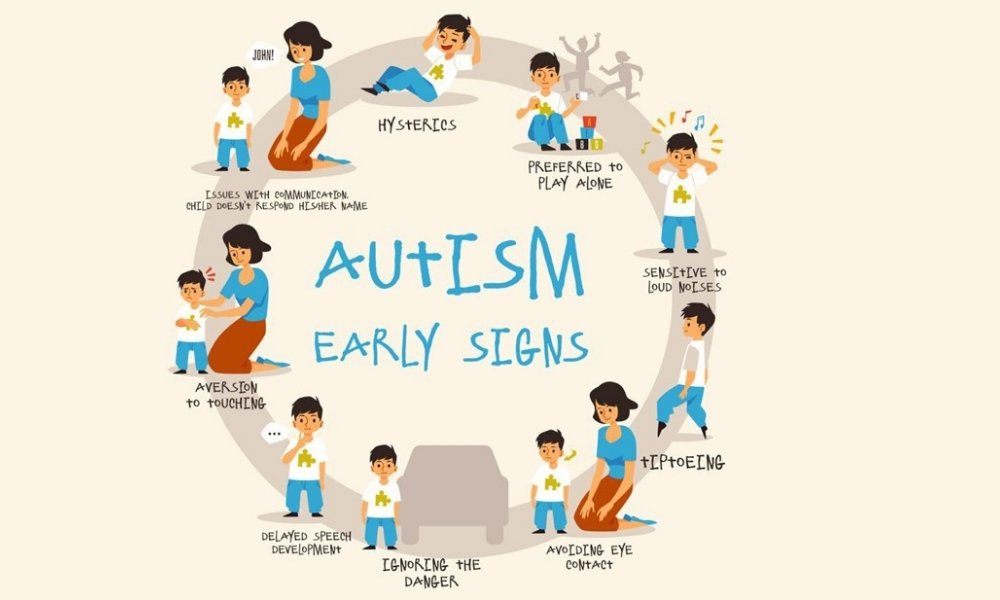
When someone communicates differently, avoids eye contact, or reacts strongly to sensory stimuli, observers may interpret these behaviors through assumptions rather than understanding. Over time, these misunderstandings can evolve into stereotypes that isolate individuals and place unnecessary burdens on families.
Children on the spectrum may feel pressured to hide behaviors that are natural to them. Parents may feel judged in public spaces. Adults with autism may struggle to find workplaces willing to appreciate their abilities rather than focus solely on perceived differences.
Stigma, in this sense, is not only a social issue but also a psychological one, it grows from the discomfort people feel when confronted with difference.
Moving Beyond Awareness
The purpose of World Autism Awareness Day is not simply to encourage recognition of autism but to inspire reflection. Awareness is a starting point; acceptance and inclusion must follow.
A more thoughtful approach to autism requires listening to the experiences of autistic individuals themselves, supporting families, and rethinking how schools, workplaces, and communities are designed.
Ultimately, autism invites societies to reconsider a fundamental question: What does it truly mean to belong?
When institutions and communities begin to value diverse ways of thinking and experiencing the world, inclusion stops being an act of accommodation and becomes an expression of humanity itself. And in that shift, from mere awareness to genuine understanding, lies the possibility of a society where every mind has a place.
The VIP treatment here is legit. I feel like a valued player and the rewards are genuinely generous. Great job jilibayvip!