

The author is a software professional currently working as an offshore Technical Lead for a USA-based MNC
English Highlighted Text
It was 6th August 1945. A bright Monday morning in Hiroshima, Japan. The sky was clear, and the summer sun cast its golden rays on a bustling city. Children were attending school, employees arrived at their offices—life moved forward as usual.
At 8:15 a.m., however, that normalcy was shattered.
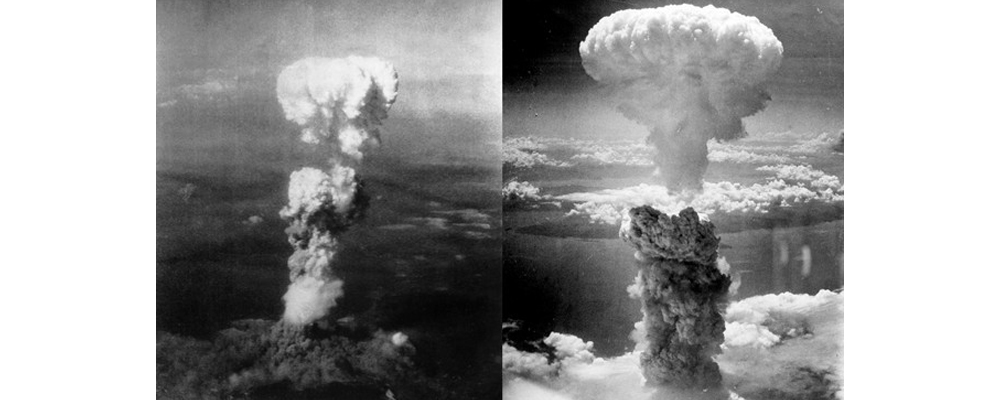
An American Boeing B-29 bomber, the Enola Gay, dropped an object from the sky. For 43 seconds, it fell in silence. What the people of Hiroshima did not know was that the object was “Little Boy”—the first atomic bomb used in warfare.
In the blink of an eye, the city was engulfed in a blinding flash of light. A fireball reaching temperatures of 4,000°C vaporized everything in its core. More than 80,000 people were killed instantly. The landscape of Hiroshima was flattened. The horrors of that moment still echo in the black shadows etched on the city’s walls.
But why did this happen? Why was the bomb dropped in the first place?
Prelude to Devastation: The Road to World War II
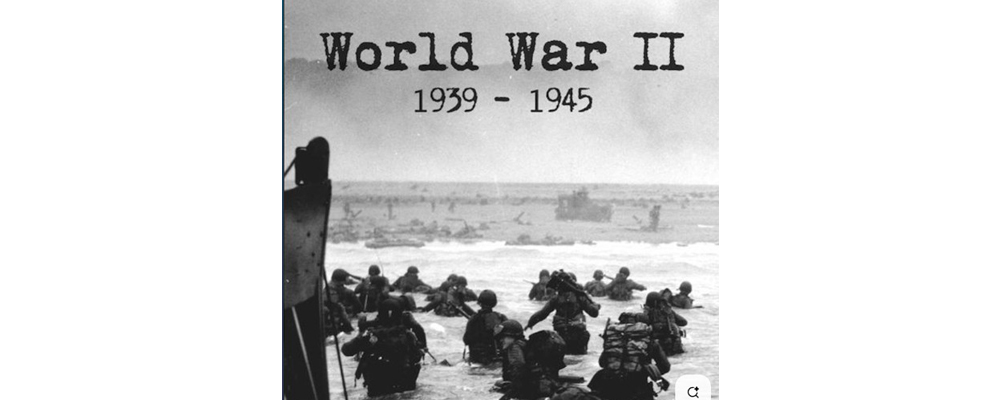
The story begins in 1939 when Nazi Germany, under Adolf Hitler, invaded Poland, triggering the Second World War. On one side stood the Axis Powers—Germany, Italy, and Japan. Opposing them were the Allied Powers—Great Britain, the Soviet Union, the United States, China, and others.
Initially, the United States remained neutral. Haunted by the aftermath of World War I, America adopted an isolationist stance. That changed dramatically on 7th December 1941, when Japan launched a surprise attack on Pearl Harbor, Hawaii. More than 2,400 Americans were killed, and much of the Pacific fleet was destroyed.
In response, the U.S. declared war on Japan, and soon, Germany and Italy declared war on the U.S. as well. WWII became truly global.
Japan’s Imperial Ambitions
Often overshadowed by Nazi Germany, Japan’s role in the war is equally significant. Beginning in the early 1900s, Japan pursued an imperialistic agenda, similar to European colonial powers. They occupied territories like Korea, Manchuria (in China), and Southeast Asia—under the guise of creating a “Greater East Asia Co-Prosperity Sphere.”
But this was merely a facade. Japan, like other empires, exploited these lands for resources and strategic advantage. Tensions with the U.S. escalated when America cut off exports of oil and essential metals to Japan in protest. Facing economic pressure, Japan decided to secure oil supplies from Southeast Asia—even if it meant war with the U.S. and its allies.
Hence, the attack on Pearl Harbor and the invasion of the Philippines followed.
The Reluctance to Surrender
Despite mounting losses, Japan refused to surrender. Emperor Hirohito was revered as a divine figure. Indoctrination and militaristic ideologies, such as the distorted Bushido code, glorified death over surrender. This gave rise to kamikaze pilots—young men ordered to commit suicide attacks in defense of the empire.
The Allies knew that a ground invasion—Operation Downfall—would be extremely costly. The Battle of Okinawa, one of the bloodiest battles in the Pacific, confirmed this. Over 100,000 Japanese soldiers and civilians died, along with 12,000 American troops.
Faced with this, President Harry Truman, who took office after Roosevelt’s death in April 1945, sought an alternative to a prolonged war. That alternative was the Manhattan Project—a secret U.S. initiative that had just produced the world’s first atomic bomb.
The Bombings: Hiroshima and Nagasaki
On 26th July 1945, the Allied powers issued the Potsdam Declaration, demanding Japan’s unconditional surrender. Japan rejected it.
On 6th August 1945, the U.S. dropped the “Little Boy” bomb on Hiroshima.
Three days later, on 9th August, a second bomb, “Fat Man,” was dropped on Nagasaki.
The results were catastrophic:
- Hiroshima: ~80,000 killed instantly, with total deaths reaching around 140,000 due to radiation and injuries.
- Nagasaki: ~40,000 killed immediately, with total deaths nearing 70,000.
These bombs killed around 200,000 people—95% of whom were civilians.
Horrific burns, radiation sickness, birth defects, and cancer plagued survivors for decades. Entire generations were affected.
Why Did Japan Finally Surrender?
Japan’s Supreme Council was divided—half of its members still resisted surrender. But the Soviet Union’s declaration of war on 8th August and its invasion of Manchuria added unbearable pressure.
Finally, Emperor Hirohito intervened to break the deadlock. On 15th August 1945, Japan announced its unconditional surrender, marking the end of World War II.
Rebuilding and Reflection
Japan was occupied by Allied forces until 1952. A new constitution was drafted, transforming the empire into a democracy. The emperor became a symbolic figure with no political power.
Rebuilding Hiroshima and Nagasaki was monumental. Today, these cities stand as powerful symbols of peace, resilience, and the dangers of nuclear warfare.
Despite the immense suffering, both cities have been beautifully restored. Hiroshima is now home to the Peace Memorial Park, where the shadows of those lost still whisper stories of the past.
The Great Moral Debate: Was It Justified?
Even today, the atomic bombings are one of the most controversial decisions in modern history.
From the U.S. perspective, the bombings were a necessary evil—intended to save lives by avoiding a costly invasion. Estimates predicted that Operation Downfall could lead to over 1 million U.S. casualties.
Others argue that Japan was already on the brink of surrender, and the bombings were unnecessary. Why not demonstrate the bomb’s power on an uninhabited island? Why drop it on civilian populations?
Some even argue that the second bomb on Nagasaki was especially unjustified, given that Japan was already considering surrender after Hiroshima and the Soviet invasion.
President Truman never apologized, famously saying,
“I wanted a weapon that would win the war, and it did.”
A Cautionary Tale for All Time
The bombings of Hiroshima and Nagasaki stand as chilling reminders of the destructive power of nuclear weapons. Thankfully, no nuclear weapon has been used in war since 1945.
The legacy of Hiroshima and Nagasaki is not only one of tragedy, but also of global learning and collective hope. They remind us of the moral responsibilities of nations and the terrifying consequences of unchecked power.
What Do You Think?
Was it a necessary evil or an inhumane act? Allah has commanded us not to spread corruption on the Earth and to live in peace with one another.
Surah Al-Baqarah (2:205)
وَإِذَا تَوَلَّىٰ سَعَىٰ فِى ٱلْأَرْضِ لِيُفْسِدَ فِيهَا وَيُهْلِكَ ٱلْحَرْثَ وَٱلنَّسْلَ ۗ وَٱللَّهُ لَا يُحِبُّ ٱلْفَسَادَ ٢٠٥
And when they leave you, they strive throughout the land to spread mischief in it and destroy crops and cattle. Allah does not like mischief.
Surah Al-Ma’idah (5:32)
مِنْ أَجْلِ ذَٰلِكَ كَتَبْنَا عَلَىٰ بَنِىٓ إِسْرَٰٓءِيلَ أَنَّهُ مَن قَتَلَ نَفْسًۢا بِغَيْرِ نَفْسٍ أَوْ فَسَادٍۢ فِى ٱلْأَرْضِ فَكَأَنَّمَا قَتَلَ ٱلنَّاسَ جَمِيعًۭا وَمَنْ أَحْيَاهَا فَكَأَنَّمَآ أَحْيَا ٱلنَّاسَ جَمِيعًۭا ۚ وَلَقَدْ جَآءَتْهُمْ رُسُلُنَا بِٱلْبَيِّنَـٰتِ ثُمَّ إِنَّ كَثِيرًۭا مِّنْهُم بَعْدَ ذَٰلِكَ فِى ٱلْأَرْضِ لَمُسْرِفُونَ ٣٢
That is why We ordained for the Children of Israel that whoever takes a life—unless as a punishment for murder or mischief in the land—it will be as if they killed all of humanity; and whoever saves a life, it will be as if they saved all of humanity. Although Our messengers already came to them with clear proofs, many of them still transgressed afterwards through the land.
Crisp explanation
Assalamu alaikum!
Allahumma barik. This is a very good read, thanks for the article, behind the scenes really helped better understand it. Kudos to you. Looking forward for more such amazing articles from you.
Jazakallahu khairan!
How does one have peace after the devastating human cost? Good attempt at self-realisation of evil, or necessary for defending oneself…