

The author is a published illustrator, artist, writer, and youth leader, passionate about purposeful creativity and meaningful community impact.
Meanings of Yuhibbu Allah
Literal Meaning: “Yuhibbu Allah” means “Allah Loves”.
Linguistic Meaning: The Arabic word “Yuhibbu” is derived from “Hub”, which means love, deep affection, or attachment. In this phrase:
- “Yuhibbu” = He loves
- “Allah” = Allah
Thus, “Yuhibbu Allah” translates to “Allah loves.” This phrase conveys not just an ordinary love but a divine, nurturing, and merciful affection that Allah bestows upon His beloved servants.
Theological Meaning: In the Qur’an, Allah’s love is not arbitrary. He doesn’t love everyone unconditionally. Instead, His love is reserved for those who strive in righteousness and embody qualities He approves of. The phrase “Yuhibbu Allah” appears in verses where Allah describes the characteristics of those He loves.
Difference Between Human Love & Allah’s Love Human love is often influenced by emotions, personal gain, and circumstances, making it limited and changeable. However, when love is rooted for the sake of Allah, it becomes pure, selfless, and enduring, lasting beyond this world into the Hereafter.
The Prophet ﷺ mentioned in a well-known hadith that among those who will be under the shade of Allah on the Day of Judgment are: “Two people who love each other for the sake of Allah, meeting and parting upon that love.” (Sahih Muslim)
This means that love based on faith and righteousness remains unbreakable, unaffected by distance or hardships.
Understanding Allah’s Love Unlike human love, which can be flawed and temporary, Allah’s love is perfect, absolute, and everlasting. His love is not based on emotions but on wisdom, justice, and mercy. It is not given randomly but is reserved for those who strive to earn it through faith, righteousness, and good deeds.
True, lasting love is the one that seeks Allah’s pleasure, for that is the love that will never fade.
Allah Himself tells us how to attain His love: “Say [O Muhammad], ‘If you should love Allah, then follow me, so Allah will love you and forgive you your sins.’” (Surah Aal-e-Imran 3:31)
This verse emphasizes that true love for Allah is demonstrated through following the path of the Prophet ﷺ. By embodying his character—his mercy, patience, and absolute trust in Allah—we align ourselves with those whom Allah loves.

You know what happens when Allah loves someone?
- He guides them towards the right path.
- He protects them from harm and grants them inner peace.
- He forgives their mistakes and increases them in goodness.
- He blesses their life with contentment and barakah.
What and Whom Allah Loves
Allah’s love is the greatest blessing a believer can receive, as it leads to success in both this life and the Hereafter. The Qur’an repeatedly mentions the qualities of those whom Allah loves, encouraging us to adopt those traits. The phrase “Yuhibbu Allah – Allah Loves” appears in the Qur’an in different contexts.
Let’s see: What Does Allah Love? The Qualities and Actions Allah Loves:
- Purification (Tazkiyah) – Allah loves those who purify themselves.
- Justice (Adl) – Allah loves fairness and justice.
- Patience (Sabr) – Allah loves those who are patient.
- Reliance on Allah (Tawakkul) – Allah loves those who trust Him.
- Piety (Taqwa) – Allah loves the righteous.
- Excellence in deeds (Ihsan) – Allah loves the doers of good.
- Striving in His cause (Jihad & Saff) – Allah loves those who struggle for truth.
- Whom Does Allah Love? The People Who Embody the Above Actions & Qualities:
- At-Tawwabeen – The Constantly Repentant
- Al-Mutatahhireen – Those Who Keep Themselves Pure
- Al-Muttaqeen – The God-Conscious
- As-Sabireen – The Patient
- Al-Mutawakkileen – Those Who Rely on Allah
- Al-Muhsineen – The Doers of Good
- Al-Muqatileen fi Sabeelillah – Those Who Strive in His Cause
Introducing the Ayah (Surah Aal-e-Imran 3:159)
“So by mercy from Allah, [O Muhammad], you were gentle with them. And if you had been rude [in speech] and harsh in heart, they would have disbanded from around you. So pardon them, seek forgiveness for them, and consult them in matters. And when you have decided, then rely upon Allah. Indeed, Allah loves those who rely upon Him.” (Surah Aal-e-Imran 3:159)
The core message: Allah loves those who rely upon Him.
Tafsir and Key Interpretations:
- Mercy is from Allah; harshness would drive people away.
- Pardon and seek forgiveness for those who err.
- Continue consultation (Shura) despite past mistakes.
- Place your trust (Tawakkul) in Allah after planning and effort.
This ayah directly mentions one group Allah loves: Al-Mutawakkilīn—those who trust in Him.
Connections to Other Loved Groups:
Al-Muhsinīn: The Prophet’s ﷺ kindness reflects Ihsan.
- At-Tawwābīn: The companions’ regret links to repentance.
- As-Ṣābirīn: The companions remained patient despite loss.
Lessons from the Ayah:
- Mercy strengthens relationships.
- Leadership requires forgiveness.
- Consultation fosters trust.
- Mistakes don’t define worth.
- Tawakkul brings inner peace.
Hadith Reinforcements: The Prophet ﷺ said:
- “Do not grieve; indeed, Allah is with us.” (Sahih al-Bukhari)
- “If you were to rely upon Allah…He would provide for you like He does for birds.” (Riyad as-Salihin)
- “Trust in Allah but tie your camel.” (Jami‘ At-Tirmidhi)
Scholarly Insights:
- Tafsir Ibn Kathir: Leadership through mercy
- Tafsir al-Tabari: Tawakkul is reliance after action
- Ibn Qayyim: Tawakkul has three levels—knowledge, trust, and effort
- Al-Ghazali: Nothing moves without Allah’s permission
Practical Applications:
- Be gentle and forgiving in leadership roles.
- Consult others before making decisions.
- Maintain unity despite disagreements.
- Trust Allah after making sincere efforts.
- Balance mercy with responsibility.
- Lead by example.
- Encourage growth from mistakes.
- Persevere with faith during hardships.
Examples in organised settings:
- Support team members with kindness.
- Resolve differences professionally.
- Rely on Allah for results.
- Encourage accountability with compassion.
Conclusion: To be among Yuhibbu Allah—those whom Allah loves—we must embody mercy, patience, consultation, and especially Tawakkul. May Allah make us among them.
References:
- Qur’an Verses: Surah Aal-e-Imran 3:31, 3:159; Surah At-Talaq 65:3
- Hadith: Sahih Muslim 1031, Sahih Al-Bukhari 3652, Jami‘ At-Tirmidhi 2517, Riyad As-Salihin 79
- Tafsir: Ibn Kathir, al-Tabari, As-Sa‘di
- Books: Madarij al-Salikin, Ihya Ulum al-Din
- Websites: Qur’an.com, sunnah.com, abdurrahman.org, muslimMatters.org, islamqa.info
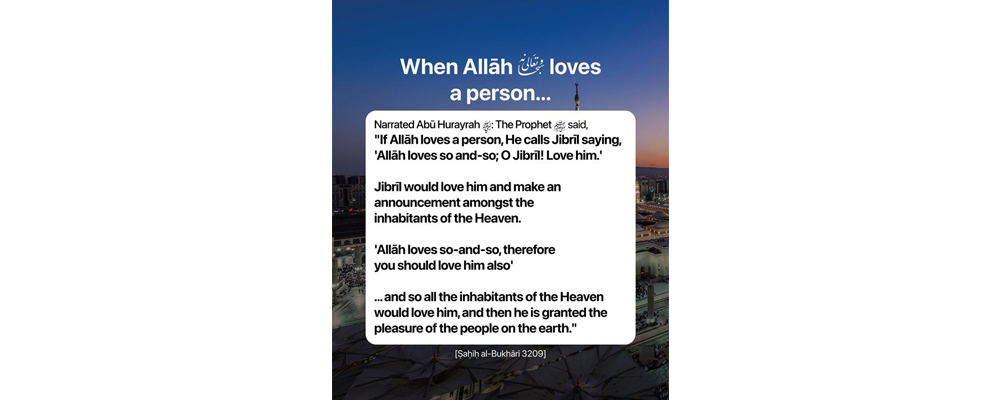
Aameen🤲
It’s heart touching words about “YuhibbuAllah”
Jazakallah khair 😍For this beautiful msg🩵
Ameen ameen🤲
Jazakallahu khairan such a beautiful words♥️
Yuhibbu Allah hit something deep inside, It was a beautiful reminder. May Allah reward you for this🤲
Finally found a platform that truly understands what players in my region are looking for. Payments feel secure and the game selection keeps getting better every month. I really appreciate how easy it is to set up on any device. 786bdtapp
I switched over from another site and I can tell the difference right away. The live dealer tables feel authentic and the chat with real hosts adds such a nice touch. Withdrawals hit my account within a day and the VIP rewards actually make sense. It feels like a premium experience without the fancy price tag. tada7casino
Love how easy it is to jump into the slot tournaments here. The interface feels clean and I actually enjoy the daily login rewards. Feels like a spot built by players for players. okwinegame