

The author is a Homoeopathic physician (MD) and a mental health counsellor currently practicing in Vadodara, Gujarat. In addition to her practice, she is an assistant professor at a Homoeopathic medical college.
INTRODUCTION
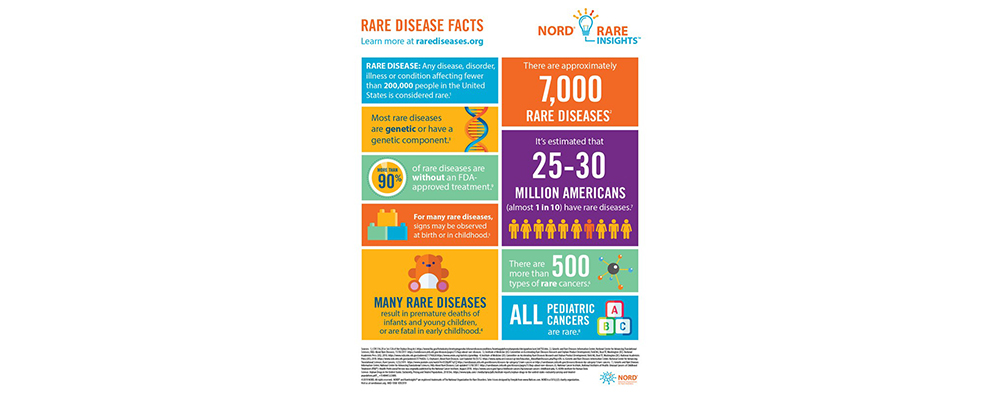
Rare diseases, often referred to as orphan diseases, are conditions that affect a small percentage of the population. According to the World Health Organization (WHO), a rare disease is often a debilitating, lifelong disorder with a prevalence of 1 or fewer per 1,000 people. However, “rare” varies across countries to align with population dynamics, healthcare systems, and resource availability. According to a study that reviewed and analysed definitions across jurisdictions, most definitions consider disease prevalence. Still, other criteria also apply sometimes, such as – disease severity, whether the disease is life-threatening, whether alternative treatment options are available, and whether it is heritable. In India, the lack of comprehensive epidemiological data hinders a full understanding of the burden of rare diseases.
The number of rare diseases identified in India ranges between 7,000 and 8,000. Cases recorded from tertiary care hospitals include conditions like primary immunodeficiency disorders, Lysosomal storage diseases (e.g., Gaucher’s disease, Mucopolysaccharidoses, and Pompe disease), inborn errors of metabolism (e.g., maple syrup urine disease), cystic fibrosis, osteogenesis imperfecta, ce
SCENARIO IN INDIA
India, with its vast and diverse population, faces significant challenges such as late diagnosis due to a lack of awareness among primary care physicians, lack of adequate screening and diagnostic facilities, and limited treatment options in managing rare diseases. Availability and access to medicines are important to reduce morbidity and mortality associated with rare diseases. Despite progress in recent years, effective or safe treatment is not available for most rare diseases. Hence, even when a correct diagnosis is made, therapy may not be available to treat the rare disease.
Access to medicines is critical to reducing the morbidity and mortality associated with rare diseases. However, effective treatment options are unavailable for most conditions. Furthermore, the cost of treatment for rare diseases, often lifelong, is prohibitively high. For instance, the annual cost of treatment for a 10 kg child can range from INR 10 lakh to over INR 1 crore, with costs increasing as the child grows.
Rare diseases do not constitute a lucrative market for pharmaceutical companies. Consequently, drugs developed for these conditions, known as “orphan drugs,” are produced by only a few global manufacturers, leading to limited availability and high costs.
RARE DISEASE IN INDIA [2]
To address the growing burden of rare diseases, the Ministry of Health and Family Welfare in India introduced the National Policy for Treatment of Rare Diseases (NPTRD) in 2017. However, the policy was revised due to implementation challenges and resource constraints, and the updated NPTRD was implemented in 2021. For the policy, the following groups of disorders were identified and categorised by experts based on their clinical experience
1. Group 1: Disorders amenable to one-time curative treatment:
a) Disorders amenable to therapy with Hematopoietic Stem Cell Transplantation (HSCT) – include Lysosomal Storage Disorders (LSDs), Severe Combined Immunodeficiency (SCID), Chronic Granulomatous disease, Osteopetrosis & Fanconi Anemia.b) Disorders amenable to organ transplantation-
I) Liver Transplantation -Metabolic Liver diseases(Glycogen storage disorders, MSUD (Maple Syrup Urine Disease) )
II) Renal Transplantation (Autosomal recessive Polycystic Kidney Disease (ARPKD), Autosomal dominant Polycystic Kidney Disease (ADPKD) etc.)
III) Patients requiring combined liver and kidney transplants can also be considered if the same ceiling of funds is maintained. (Rarely , Methyl Malonic Aciduria may require a combined liver & Kidney transplant) etc.
2. Group 2: Diseases requiring long-term/lifelong treatment having a relatively lower cost of treatment and benefit have been documented in the literature, and annual or more frequent surveillance is needed:
a) Disorders managed with special dietary formulae or Food for special medical purposes (FSMP)[e.g., Phenylketonuria , Glucose galactose Malabsorption, Severe Food protein allergy]
b) Disorders that are amenable to other forms of therapy (hormone/ specific drugs)
[Osteogenesis Imperfecta, Cystic Fibrosis, Acute Intermittent Porphyria]
3. Group 3: Diseases for which definitive treatment is available, but challenges include making optimal patient selection for benefit, very high cost, and lifelong therapy.
a) Based on the literature, sufficient evidence for good long-term outcomes exists for the following disorders[Gaucher Disease, Hunter syndrome, Hurler Syndrome etc]
b) For the following disorders, the cost of treatment is very high, and either long-term follow-up literature is awaited or has been done on a small number of patients [Duchenne Muscular Dystrophy, Spinal Muscular Atrophy, and Hypophosphatasia].
Explanation Of Rare Diseases In India [3]
1. Pompe Disease
Pompe disease, also known as glycogen storage disease type II (GSD-II), is a genetic condition due to the specific digestive enzyme acid alpha-glucosidase (GAA) deficiency. Physiologically GAA breaks the complex sugar–glycogen into simpler sugar that the cell uses for energy. Lack of GAA causes a buildup of glycogen in organs like the brain, heart, lungs and skeletal muscle, manifested in the form of Progressive muscle weakness, respiratory difficulties, difficulty in mobility and , in several cases, heart enlargement (cardiomyopathy).
2. Duchenne Muscular Dystrophy (DMD)
An x-linked recessive genetic disorder characterised by progressive muscle degeneration and weakness caused by mutations in the dystrophin gene helps keep muscle cells intact. As it is a sex-linked disorder, it usually affects boys, while girls can be carriers. It can begin as early as age 2 or 3, first affecting the proximal muscles and later affecting the distal limb muscle. Its symptoms include delayed motor milestones, waddling gait, lumbar lordosis, and loss of ambulation by adolescence. Progressive weakness causes impaired respiratory function, leading to acute respiratory failure.
3. Polycystic Kidney Disease (PKD)
It is a genetic condition where fluid-filled cysts develop in the kidneys, leading to kidney enlargement. This reduces kidney function and may lead to kidney failure. PKD can also cause complications such as high blood pressure, abdominal pain, and various arterial diseases. Most patients with PKD will eventually need dialysis or a kidney transplant. There are two main types of PKD- Autosomal dominant PKD, which is diagnosed in adulthood and Autosomal recessive PKD, which is diagnosed either during intranatal life or shortly after birth.
4. Glucose-Galactose Malabsorption (GGM)
A rare genetic disorder affects the ability to absorb glucose and galactose from the diet, preventing proper digestion of these large molecules in the intestine. The signs and symptoms appear in early life when the affected newborn is unable to digest the mother’s milk, causing severe diarrhoea, dehydration, and failure to thrive. Treatment includes a lifelong diet avoiding glucose and galactose, with alternatives like fructose-based nutrition.
5. Cystic Fibrosis (CF)
CF is a genetic disorder affecting the lungs, pancreas, and digestive system. In people with CF, a gene mutation leads to dysfunction of the CFTR protein. Without this protein, chloride, a salt component, cannot attract water to the cell surface, causing the mucus in various organs to become thick and sticky. This leads to Chronic cough, recurrent lung infections, Malabsorption, nutritional deficiency, and male infertility.
6. Osteogenesis Imperfecta (OI)
Also called “brittle bone disease,” osteoporosis is a genetic disorder that causes fragile bones. There are seven different types of osteoporosis, with Type 1 being the most common and mildest and Type II being the most severe. Symptoms include easily broken bones with frequent fractures, bone deformities like bow legs, discolouration of the sclera and barrel chest, muscle weakness, easy bruising, hearing loss, soft teeth, and short stature. Treatment involves Physical therapy, orthopaedic interventions, and bisphosphonates to strengthen bones.
7. Turner Syndrome
A chromosomal disorder affecting 1 in 2500 females in India is caused by the complete absence of one X chromosome (45, XO). This disorder leads to Short stature, underdeveloped breasts, streaky ovary, infertility, webbed neck, heart defects, kidney deformity, and learning difficulties. Treatment includes Growth hormone therapy, estrogen replacement, and monitoring for associated health issues, but there is no cure for it.
The Way Forward
1. Early Diagnosis and Screening: Early diagnosis focuses on avoiding the birth of an affected fetus (prenatal screening and prenatal diagnosis), early detection of disorders, and appropriate medical intervention to ameliorate or minimise the manifestations (newborn screening). The common screening methods currently recommended for all pregnancies include biochemical screening and ultrasonography for chromosomal disorders like Down syndrome, etc., and ultrasonography for other structural disorders.
2. Improving Access to Treatment: Vital steps include promoting local production of orphan drugs, reducing costs through public-private partnerships, and creating a national fund for rare disease treatments. Investments in research can foster innovation in treatment. Centralised databases and collaborations with global organisations can enhance the understanding of rare diseases in India.
3. Enhancing Policy Implementation: Regular monitoring and evaluation of the NPTRD can ensure its effectiveness. Involving state governments and local stakeholders can enhance the policy’s outreach.
4. Raising Public Awareness: Educational campaigns can reduce stigma and promote early intervention. Collaboration with NGOs can amplify these efforts.
5. Building Support Networks: Support groups and online platforms can assist patients and families emotionally and financially.
CONCLUSION
Though affecting a small fraction of the population, rare diseases significantly challenge India’s healthcare system. Addressing this issue requires a collaborative approach involving all stakeholders. By prioritising early diagnosis, affordable treatment, and sustained research, India can improve care and outcomes for individuals with rare diseases.
REFERENCE :
1. Richter, T., Nestler-Parr, S., Babela, R., Khan, Z. M., Tesoro, T., Molsen, E., & Hughes, D. A. (2015). Rare Disease Terminology and Definitions – A Systematic Global Review: Report of the ISPOR Rare Disease Special Interest Group [Electronic version]. Value in Health, 18, 906-914. Available at: https://www.ispor.org/raredisease-terms-definitions.pdf
2. Revised National Policy for Treatment of Rare Diseases, Ministry of Health and Family Welfare, 2021.
3. Berman, J.J. (2014). Rare diseases and orphan drugs: Keys to understanding and treating the common diseases. Academic Press, 2014.
0 Comments