
The author is a homoeopathic doctor and dietitian.
Heart diseases are often associated with classical risk factors like obesity, high cholesterol, smoking, and high blood pressure. But have you ever wondered how ongoing psychological stress, driven by unhappiness, fear, and constant worry, can silently contribute to the development of heart disease? In recent years, chronic psychological stress has emerged as a greater threat to heart health than many traditional risk factors.
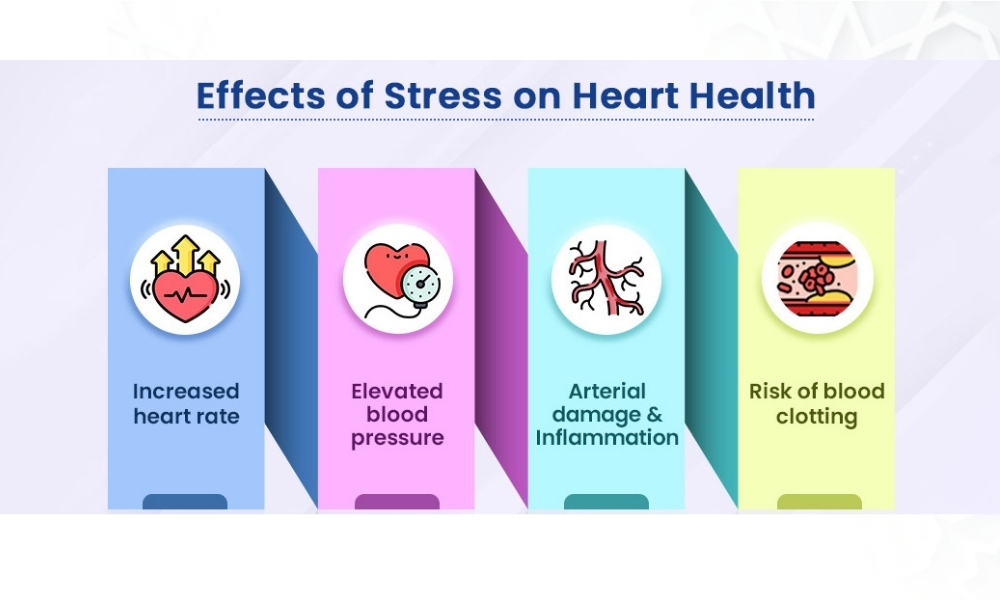
Stress has become an unavoidable part of modern life. The constant effort to balance work responsibilities, family demands, financial pressure and social expectations can lead to burnout, anxiety and agitation. Stress can be acute, like sudden distressing news, the death of a loved one or losing a job. Our brain as well as our body respond to psychological stress by triggering the release of fight and flight hormones. Sudden stress activates the body’s sympathetic system by increasing blood flow to areas of the brain (limbic system). As a result, there is an increase in heart rate, blood pressure, capillary resistance and cardiac output to levels higher than seen during exercise. Incidents of death following a sudden traumatic experience are not uncommon.
In addition, continuous pressure from persistent situations like an unhappy family environment, social pressure, financial insecurity or working under a continuous, hectic profession keeps the body in a state of chronic stress. Studies have shown that people who live in continuous emotional or psychological stress are more likely to develop heart disease. The hypothalamus in our brain perceives stress signals from different receptors in our body. In response, it acts on the adrenal cortex for the release of stress hormones. This over a period increases body fat, blood pressure and insulin resistance, all of which increase the likelihood of cardiovascular disease.
Stress can change a person over time. To cope with stressful situations, one can adopt harmful lifestyle behaviours such as smoking, poor sleep, unhealthy eating habits and lack of exercise. These lifestyle changes increase the risk of atherosclerosis and cardiovascular diseases.
At a deeper level, stress activates the amygdala, the ‘alarm bell’ of the brain, which triggers inflammation throughout the body. Inflammation plays a key role in the formation and rupture of arterial plaques, increasing the risk of heart attacks. The effects of ongoing stress are not limited to the cardiovascular system. Digestive problems, weight gain, headaches, anxiety, depression, and sleep disturbances often follow, creating a cycle that keeps the body in a prolonged state of strain.
The solution
No one’s life is completely stress-free. It is important to know how to manage stress to protect your physical and mental health. Recognising that stress can do no good, but harm, is the first step towards improvement. Simple daily practice can make meaningful differences. Replacing negative thought patterns with positive and realistic perspectives reduces mental burden. Plan some stress-busting activities for yourself. Meeting a friend, going out in the sun, walking in fresh air, having a relaxing massage, reading a good book or engaging in creative activities like art, gardening, or crochet can help restore emotional balance.
In today’s hyperconnected world, FOMO (fear of missing out) has gripped most of us with constant anxiety and digital overload. which we often fail to realise. Choose JOMO (the joy of missing out) to get surprising benefits. Limit news and social media consumption, check messages less frequently, and use ‘Do Not Disturb’ settings to allow the mind to rest and improve focus and sleep quality.
In conclusion, stress is more than an emotional experience. It is a silent physical force that affects the body from within. It can gradually damage the heart and reduce the quality of life if left unmanaged. Learning to manage stress is not simply about improving performance or productivity; it is a vital step toward protecting the heart and preserving overall health.
0 Comments