
The author is a literature student, pursuing MA in English from Dr. B. R. Ambedkar University. She is a writer, reader, book reviewer, her work explores themes of literature, society and resistance. She is also the author of Secrets of My Heart (2020).
Introduction
In an age where information is consumed in seconds, do we still live in a culture that truly reads, or have we quietly replaced reading with endless scrolling?
Books are not merely objects to read, they are instruments of memory, resistance, imagination, and dialogue. A reading culture exists when books circulate in homes as naturally as conversations, when libraries function as intellectual places, when literature shapes public debate, when stories travel across generations, and when reading becomes an act of curiosity rather than obligation. In the early eras, letters were preserved, margins were annotated, books were inherited. In contrast, contemporary digital time privilege speed. Information appears in fragments, headlines compete for seconds of attention. The shift from page to screen is problematic.
Going beyond our everyday lives
Deep reading allows individuals to explore unfamiliar lives, seeking empathy beyond immediate experience and cultivate critical thinking. A society rooted in reading is more likely to question authority, interrogate narratives, and preserve its regional and folk traditions. In this sense, reading culture is inseparable from intellectual autonomy.
At present, online reading communities, digital archives, book discussion forums, and literary platforms have created new spaces of engagement. Readers now build global conversations across the world. The medium has evolved, the impulse to read persists. Social media spaces such as Instagram and Goodreads have produced global networks of readers who recommend books, discuss literature, and create vibrant communities around shared texts.
The digital shift
Online book clubs, virtual author discussions, literary podcasts, and digital archives have made literature more accessible to diverse audiences. Young readers are discovering books through visual storytelling, reviews, and literary conversations shared online. Rather than existing only in libraries or academic spaces, literature now circulates through everyday digital interactions.
Perhaps the task before us is not to mourn transformation but to cultivate mindful engagement. To read slowly when everything urges speed. To read beyond what is assigned. To revisit classics while embracing contemporary voices. To support libraries and local bookstores. To introduce children to stories not merely as academic tools but as companions.
Reading and power
Another important dimension of reading culture lies in its relationship with power. Literature has historically served as a space where dominant narratives are questioned and authority is examined rather than accepted unquestioningly. Through stories, poems, and essays, writers often expose social inequalities, challenge political systems, and give voice to those who remain unheard within official histories. In this way, literature becomes more than a form of artistic expression, it becomes a site of intellectual resistance. Readers play a crucial role in this process. A society that actively reads is more likely to develop critical consciousness because literature invites interpretation, debate, and reflection.
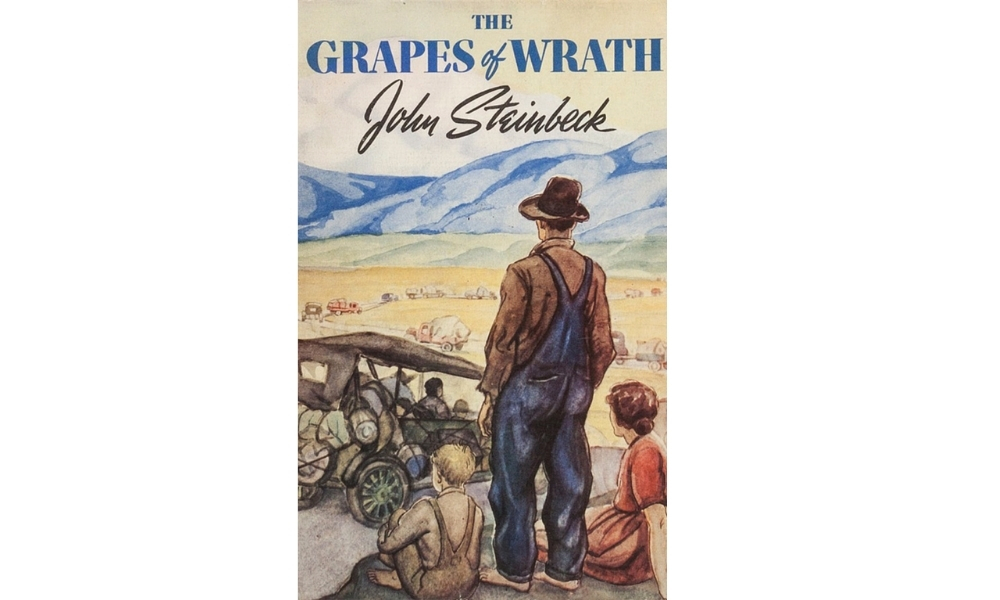
Works such as The Grapes of Wrath by John Steinbeck, or Colonizing Kashmir by Hafsa Kanjwal reveal brutal realities of oppression in society. As Edward Said very beautifully put it in his Culture and Imperialism, “Stories are at the heart of what explorers and novelists say about strange regions of the world; they also become the method colonized people use to assert their own identity and the existence of their own history.” Ultimately, the power of literature lies in its ability to reshape imagination. Political systems may control institutions and laws, but stories influence how people perceive truth, justice, and human life. When readers engage deeply with literature, they participate in an intellectual process that challenges authority, nurtures empathy, and keeps alive the human capacity to imagine a more just world.
Speaking truth to power
Books become tools through which societies can question authority, imagine alternative futures, and hold systems of power accountable. A reading culture is sustained by small rituals,
the quiet rustle of pages, the soft glow of a lamp over an open book, the silent dialogue between writer and reader across time. Long after trends fade and technologies shift, stories remain our most enduring companions.
Perhaps the future of reading lies not in lofty or grand gestures but in quiet, intimate acts, a reader turning a page late at night, a child discovering a story for the first time, a sentence that lingers long after the book is closed. Books have always carried the power to slow us down in a hurried world. On World Book Day, the true celebration is not simply of books themselves, but of the moments of stillness and reflection they create, moments in which imagination breathes and thought deepens.
If literature holds the power to challenge authority, what happens when a society slowly loses its culture of reading?
DID YOU KNOW ?
Zakat is both a spiritual and economic system
Beyond charity, zakat is designed to circulate wealth within society. It is obligatory on eligible Muslims and aims to reduce inequality by supporting the poor, indebted, and other specified groups.
Very Informative, big ups ‘