
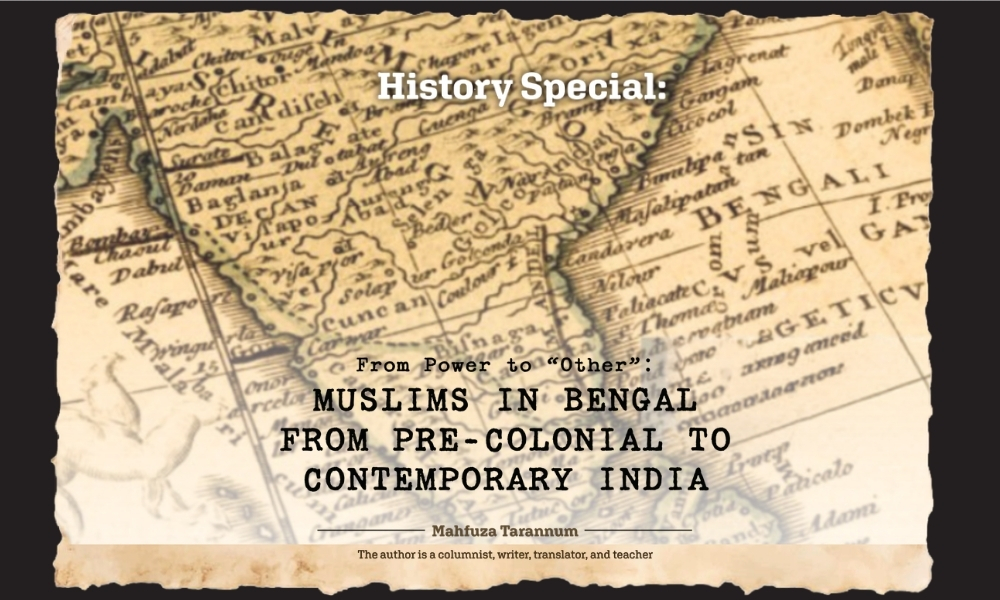
The author is a columnist, writer, translator, and teacher
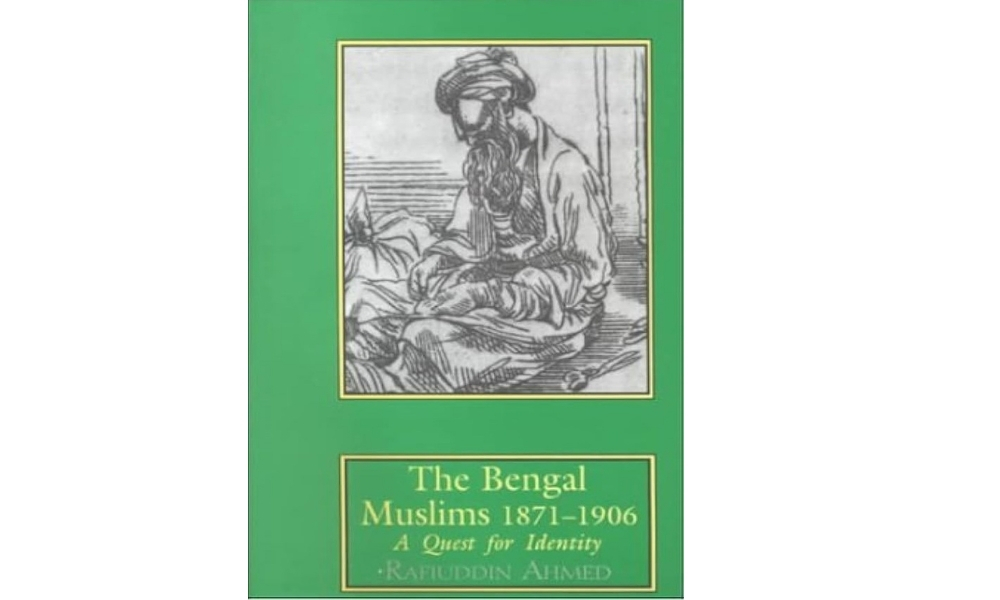
In pre-colonial Bengal, Muslims were not a marginalised community; rather, they were central to political authority, economic prosperity, and cultural life. However, with the advent of British colonial rule, a gradual but significant transformation occurred. Muslims, once associated with governance and cultural synthesis, came to be redefined as the “other.” This shift was not organic but constructed through colonial policies, historiography, and discourse that reshaped historical memory and social identity. Importantly, these colonial frameworks did not disappear after independence; instead, they continue to influence contemporary debates around citizenship, identity, and inclusion in India.
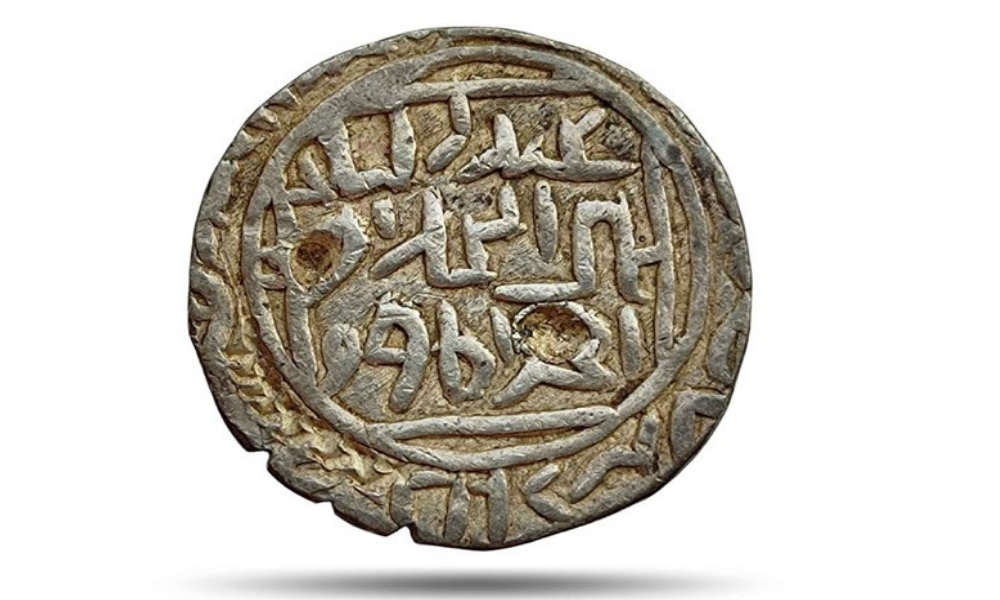
The foundation of a unified Bengal was established under Shamsuddin Ilyas Shah (r. 1342–1358). He brought together fragmented regions like Vanga, Gauda, and Radha into a single political entity. He took the title Shah-i-Bangalah, marking one of the earliest political uses of “Bangalah” for the entire region (Banglapedia). This political unification strengthened further under Alauddin Hussain Shah (r. 1494–1519), whose reign is often referred to as the “golden age” of Bengal. His rule included religious inclusivity, support for both Bengali and Persian literature, and a thriving culture shaped by interactions between Sufi and Bhakti traditions.
Economically, Bengal during this period was among the wealthiest regions in the world. Agricultural expansion through river reclamation and irrigation supported a dense population. The textile industry, especially fine muslin, gained global recognition. Historians like Irfan Habib note that Bengal played a significant role in Mughal India’s textile exports, making it a key center of global trade (The Agrarian System of Mughal India – Irfan Habib). The Bengal Sultanate also issued its own coins, showing economic independence. Later, under Murshid Quli Khan (r. 1717–1727), administrative and revenue systems were reorganized, ensuring efficient taxation and further boosting Bengal’s financial autonomy (Eaton, The Rise of Islam and the Bengal Frontier).
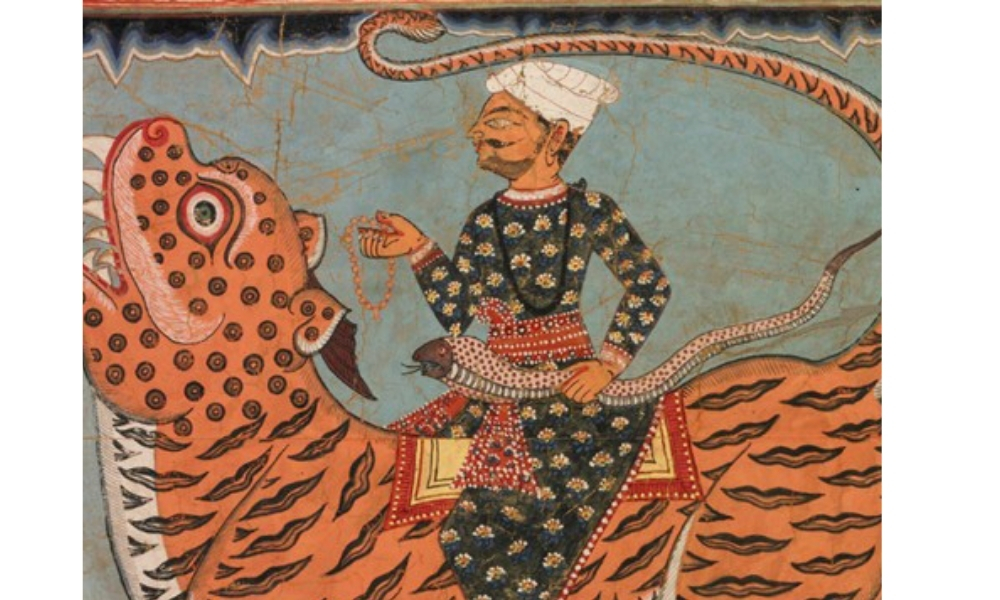
Cultural synthesis and flourishing
Culturally, medieval Bengal under Muslim rule became a lively site of synthesis and coexistence. Using Bengali alongside Persian in administration and literature encouraged a shared linguistic culture. Literary works like Chandimangal, depict Muslim rulers and officials in largely Hindu settings, showing everyday coexistence. At the same time, poets like Alaol translated and adapted Persian romances into Bengali, merging Islamic literary styles with local traditions. The spread of Sufi ideas, later echoed in the teachings of Lalon Fakir, highlighted a spiritual humanism that crossed rigid religious barriers. Thus, pre-colonial Bengal was characterised by political strength, economic dynamism, and a rich composite culture.
However, British colonial rule significantly altered this historical image. Colonial administrators and historians began to present the so-called “Muslim period” as despotic and backward, contrasting it with a “modern” and “civilizing” British rule. This narrative can be understood through Edward Said’s Concept of Orientalism, which describes how the East was represented as inferior and static to justify Western dominance. In India, such discussions led to a distortion of medieval history, the marginalisation of Muslim contributions, and a reshaping of identity through education and administrative systems.
Historiography played a crucial role in this transformation. James Mill, in his History of British India (1817), divided Indian history into Hindu, Muslim, and British periods, presenting Muslim rule as inherently oppressive, despite never having visited India. Similarly, William Wilson Hunter in The Indian Musalmans (1871), depicted Muslims as politically questionable and potentially disloyal, particularly after the Revolt of 1857.
Colonial effects
These representations were not neutral; they were linked to what Michel Foucault
later described as the relationship between knowledge and power. Colonial knowledge production actively constructed Muslims as a backward and alien community. This strategy is clear in how Siraj ud-Daulah (r. 1756–1757) was portrayed. British narratives depicted him as cruel and incompetent, particularly through the tale of the “Black Hole of Calcutta,” popularised by John Zephaniah Holwell. However, modern historians have challenged the truth of this account, suggesting exaggeration to justify British conquest. Such narratives served to undermine pre-colonial Muslim rule and rationalise colonial intervention while gradually changing Muslims from rulers into marginalised subjects.
The legacy of these colonial portrayals continues to shape contemporary India. Many parts of the Muslim community today face economic difficulties, limited access to education and jobs, and social marginalisation. The historical shift from power to “otherness” has lasting effects on identity and representation. Recently, debates about citizenship—especially the Citizenship Amendment Act (2019) and the National Register of Citizens—have raised questions about inclusion and belonging. In some situations, administrative verification processes have created anxiety among Muslims, echoing colonial practices of classification and suspicion. Likewise, discussions about the Uniform Civil Code often intersect with views of Muslim personal law as “regressive,” reflecting older colonial narratives about incompatibility with modernity.
The politics of memory
The politics of memory is also evident in disputes over historical sites such as Babri Masjid, Gyanvapi Mosque, and Shahi Idgah Mosque. These conflicts illustrate how medieval histories influence contemporary issues, as do renaming places where selective interpretations of the past shape current identities, like Allahabad to Prayagraj and Mughalsarai to Deen Dayal Upadhyaya Nagar. Debates around roads named after figures like Aurangzeb show how certain historical figures are re-evaluated.
Media representations reinforce stereotypes, often linking Muslims disproportionately with terms like “radicalism” or spreading misinformation. Labels such as “love jihad” create a negative narrative. During the COVID-19 pandemic, phrases like “corona jihad” circulated in some media, targeting Muslims through misinformation. Such portrayals can lead to criminalisation and stereotyping, reinforcing the perception of Muslims as a suspect community. This aligns with what Edward Said described as the role of discourse in creating and maintaining “otherness.”
Addressing these challenges needs a multi-layered approach. Educational reform is crucial to ensure balanced and evidence-based representations of history, as emphasised by organisations like the National Council of Educational Research and Training. Legal measures must be strengthened to effectively combat hate speech and communal violence. Media accountability and responsible reporting can help counter harmful stereotypes, while grassroots initiatives for inter-community dialogue can bridge social gaps. Economic inclusion, guided by recommendations from reports like the Sachar Committee, is also important to address structural inequalities.
Conclusion
In conclusion, the marginalisation of Muslims in contemporary India requires an understanding of its historical roots in colonial discourse. Pre-colonial Bengal illustrates political strength, economic prosperity, and cultural harmony. Colonial rule redefined these realities through selective narratives. Overcoming these inherited divisions calls for a critical approach to history—one that recognises complexity and diversity. Only through this perspective can we create a more inclusive and fair vision of society that aligns with constitutional ideals of equality and secularism.
DID YOU KNOW ?
The Charter of Madinah established a plural society
The Charter of Madinah established a plural society
Formulated by Prophet Muhammad ﷺ in 622 CE, it outlined mutual rights and responsibilities among Muslims, Jews, and other communities—making it one of the earliest known written agreements on civic coexistence.
Been hunting for a reliable sportsbook and this one actually delivers on live odds. The interface is clean and placing accumulators feels seamless. Love the bonus structure for regular punters. Give it a spin if you want a smoother betting experience like wwwecuabetcomonline
Finding a platform that handles both sports betting and casino games without glitches is rare but this one delivers perfectly. I mostly use it for the weekend soccer matches and the live streaming feature is crystal clear on my tablet. The support team speaks my language and helped me sort out a bonus question in literally three minutes vnpr99
Been playing here for months and the experience keeps getting better. Cashouts are fast and the customer support team is always helpful. Highly recommend giving it a try. bdkala88