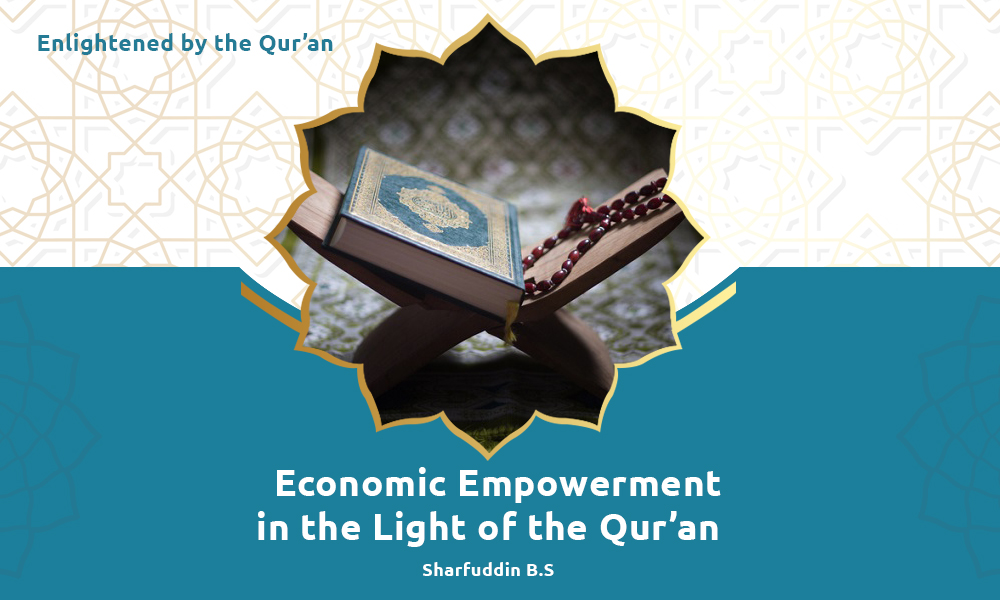

The author is Principal, Barakah International School and College, Mangalore

The Qur’an and Islamic teachings offer a pragmatic and balanced perspective on worldly life. Far from advocating renunciation of the world or a life of destitution, Islam emphasizes the importance of achieving a harmonious balance between worldly pursuits and spiritual growth. The Qur’an and the traditions of Prophet Muhammad (peace be upon him) guide believers to live a life where both material success and spiritual fulfillment coexist.
The Five Pillars of Islam and Economic Responsibility

A closer examination of the Five Pillars of Islam—Shahadah (declaration of faith), Salah (prayer), Zakat (almsgiving), Sawm (fasting during Ramadan), and Hajj (pilgrimage to Makkah)—reveals that two of these pillars, Zakat and Hajj, are directly related to wealth. This means that 40% of the foundational practices of Islam involve the ethical acquisition, management, and distribution of wealth. This underscores the significance of economic empowerment and financial stewardship in Islam.

To fulfill the obligations of Zakat and Hajj, a Muslim must possess sufficient financial resources. The Qur’an and Hadith repeatedly stress the importance of these pillars, obligating affluent Muslims to contribute to societal welfare and undertake the pilgrimage when able. Conversely, those who lack the means are exempt, and their devotion remains complete in the eyes of Allah. However, Prophet Muhammad ﷺ emphasized self-reliance and generosity when he said, “The upper hand (the one that gives) is better than the lower hand (the one that receives)” (Sahih al-Bukhari). This encourages individuals to strive for financial independence, not only for personal benefit but also to uplift others in need.
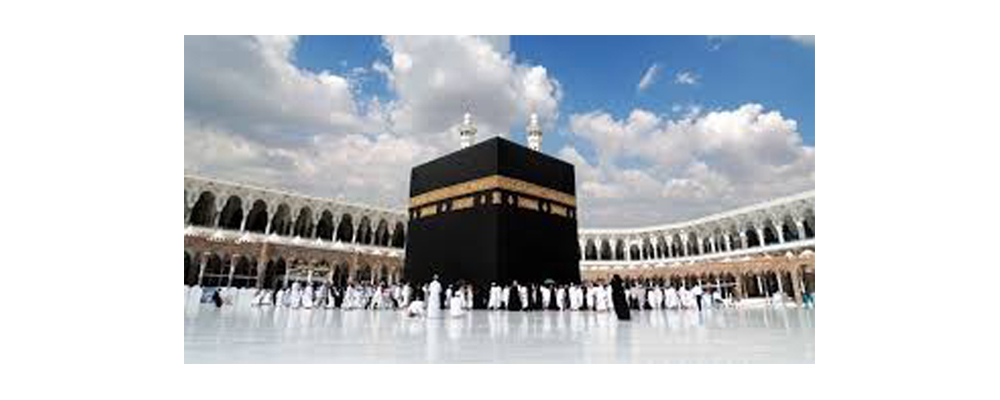

Economic Empowerment during Hajj
Even during Hajj—a deeply spiritual and sacred ritual—the Qur’an acknowledges the role of commerce and economic activity. It states: “There is no sin on you if you seek the bounty of your Lord (through trade) during pilgrimage” (Qur’an 2:198). This verse reflects Islam’s holistic view of life, where spirituality and economic endeavors are not mutually exclusive but can coexist harmoniously.
Prophet Muhammad ﷺ exemplified this balance during his Farewell Pilgrimage by slaughtering and distributing the meat of 100 camels among the poor and needy. This act was not only an expression of charity but also a demonstration of how wealth, when used righteously, can address societal inequalities and promote economic well-being.
Moderation and Wealth Management in Islam
The Qur’an repeatedly advocates for moderation in spending and warns against both extravagance and miserliness. “When they spend, they are neither extravagant nor stingy but hold a just balance between the two” (Qur’an 25:67). Another verse advises: “Do not tie your hand to your neck (as a miser), nor stretch it forth to its utmost reach (as a spendthrift), lest you become blameworthy and destitute” (Qur’an 17:29). These teachings highlight the importance of prudent financial management, encouraging believers to allocate resources wisely, save for emergencies, and avoid wasteful expenditures that could lead to financial hardship.
Zakat: A Pillar for Poverty Alleviation

Zakat, one of the central pillars of Islam, serves as a structured mechanism for poverty alleviation and social welfare. The Qur’an provides clear guidelines on the recipients of Zakat: “Zakat is for the poor and the needy, those employed to collect it, those whose hearts are to be reconciled, to free those in bondage, for those in debt, in the cause of Allah, and for the stranded traveler” (Qur’an 9:60). This precise allocation ensures that Zakat directly addresses the economic challenges faced by vulnerable groups within society.

Historically, the proper implementation of Zakat through well-managed, centralized systems has led to the eradication of poverty in various Islamic societies. When Zakat is effectively collected and distributed, it not only meets the immediate needs of the poor but also fosters long-term economic empowerment, promoting self-sufficiency and social stability.

Economic Justice and Financial Ethics
The Qur’an dedicates its longest verse (Qur’an 2:282) to the principles of economic transactions, emphasizing transparency, fairness, and accountability in financial dealings. This verse mandates the documentation of debts and agreements to protect the rights of all parties involved and prevent disputes. The Qur’an also warns against unjust economic practices: “O you who believe! Do not consume one another’s wealth unjustly, but only through trade conducted by mutual consent” (Qur’an 4:29).

Such teachings reinforce the importance of ethical conduct in all financial matters, highlighting that economic empowerment must be pursued within the framework of justice and integrity.

The Balance Between Economic Empowerment and Materialism

While the Qur’an encourages the pursuit of wealth through lawful means, it firmly denounces materialism. It teaches that wealth should not become a source of arrogance or detachment from spiritual values. The ultimate goal of economic empowerment is not merely the accumulation of wealth but the ability to contribute positively to society and seek the pleasure of Allah.

Charity is regarded as a noble act, described as “a loan to Allah” that will be returned manifold in rewards (Qur’an 57:11). This perspective instills a sense of purpose in wealth acquisition—encouraging generosity, social responsibility, and contentment with one’s blessings while striving for further success.

Conclusion
The Qur’an presents a comprehensive vision of economic empowerment, intertwining financial success with spiritual growth, ethical conduct, and social responsibility. It encourages believers to seek Allah’s bounty through rightful means, manage wealth prudently, and contribute to the welfare of society. By maintaining a balance between material pursuits and spiritual values, Muslims are guided to lead fulfilling lives that benefit both themselves and the broader community.

In essence, economic empowerment in Islam is not just about personal prosperity but about creating a just, compassionate, and thriving society.

1 Comment

  1. asma

    Can you send information to Pamplin School of Business for Islamic Economic Empowerment for Muslims

    Reply

Submit a Comment

Your email address will not be published. Required fields are marked *