

The most practical meal pattern for Ramadan can be suhoor, light iftar followed by dinner. Suhoor provides energy and fluids for the day of fasting ahead. A combination of fluid-rich foods for hydration, high-fibre food for satiety, and starchy foods for energy is perfect for suhoor. Eating meals that are too spicy or salty is not advised as they can leave you thirsty during the day. Likewise, the iftar is meant to provide immediate energy and hydration after a day of fasting. So, choose simple sugars and hydrating drinks for iftar. The dinner following iftar must contain a balanced food plate with ½ plate of fruits and vegetables, ¼ protein and ¼ for carbs, nuts and oils. Keeping these key points in mind let’s explore a few suitable options for suhoor and iftar.
To prepare, take 1 cup chopped cucumber, half cup spinach leaves, ½ cup Greek yoghurt and 1/4th teaspoon black salt. Blend them until smooth. Add water to adjust the consistency. Replace cucumber with your favourite fruits to create a variety of fruit smoothies.

Prophet Muhammad (pbuh) preferred to break fast with dates as narrated in a hadith by Anas bin Malik: “The Messenger of Allah would break the fast with fresh dates before performing Salat. If there were no fresh dates then (he would break the fast) with dried dates, and if there were no dried dates then he would take a few sips of water.
- Boil one cup-soaked yellow lentil in 3 cups vegetable stock till it’s tender.
- Add ½ cup shredded boiled chicken.
- Add salt and pepper as per taste.
- Add water to adjust the consistency.
- Prepare a tempering: Heat ghee.
- Add chopped onions, garlic, green chillies, and a pinch of asafetida in ghee. Sauté it for 1 minute.
- Add the tempering to the soup.
- Boil the soup till it simmers.
- Serve it with crouton or wheat noodles.
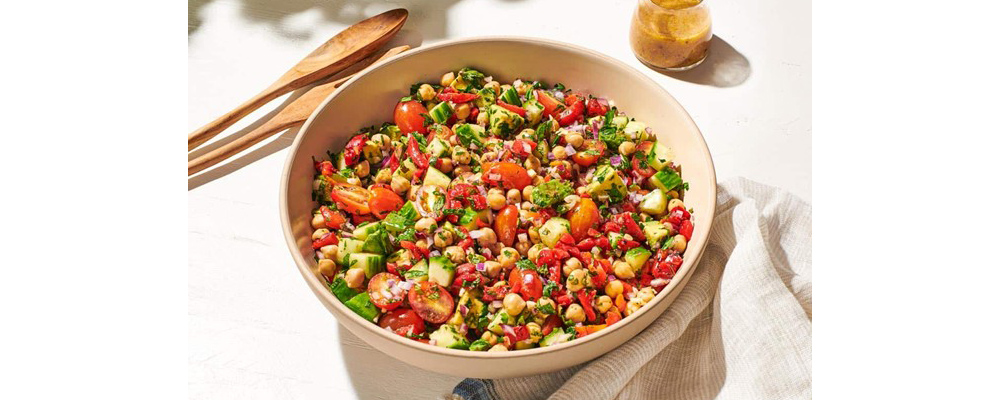
- In a big bowl add one cup of boiled chickpeas.
- Add half a cup of boiled moong sprouts.
Add chopped tomato, cucumber, pineapple, capsicum, boiled potato, pomegranate and onion. - To prepare the dressing mix lemon juice, tamarind juice, pepper, salt, olive oil and chilli flakes.
- Add the dressing to the bowl of salad and enjoy.
- Prepare the crepes: Mix 1/3rd cup of millet flour, 1/3rd cup of chana flour and 1/3rd cup of wheat flour. Add one egg, salt to taste and water to make a flowy consistency. Prepare thin crepes with the batter.
- Prepare the filling: heat one tablespoon of mustard oil. Add 1 tsp cumin seeds, 1 tsp chopped garlic, 1 cup chopped onion and 1 tsp green chillies. Sauté it for 1 minute. Then add one cup of boiled shredded chicken and one cup of vegetables (chopped bell peppers, carrots, cabbage and spinach). Roast it for 5 minutes. Add salt, pepper, vinegar, soy sauce and chilli sauce as per taste.
- Prepare the spread: Blend 3 tbs feta cheese with half a cup of beetroot and mint leaves.
- Assemble the wrap: Add the prepared spread filling in the crepes and wrap it. Pan grill on both sides.
- To prepare quinoa: Place 1 cup quinoa (preferably tricolour mix), 3 cups water, 2 bay leaves, ½ inch cinnamon stick, 1 tsp cumin seeds and 1 tbsp olive oil in a saucepan. Bring it to a boil and cook till the quinoa is tender. Remove the spices, drain the water and keep the quinoa aside.
- To prepare the vegetable mixture: Heat 1 tbsp oil and 1 tbsp ghee in a saucepan. Now add 1tsp cumin seeds, 1tsp peppercorns and 2-3 green cardamom and wait till it splutters. Now add 1 tbsp ginger garlic paste and stir it for 2 minutes. Then add 1 cup chopped potatoes, carrots, and peas. Add 4-5 slit green chillies. Add 1 tsp turmeric powder, 1 tsp coriander powder, and 1 tsp red chilli powder. Stir for 2 minutes then add 1 cup yoghurt and salt as per taste. Cook it till the vegetables are half done. Add 1 cup chopped coriander and mint leaves. The vegetable mixture is ready.
- Assemble the biryani: Layer the prepared quinoa on top of the vegetable mixture. Sprinkle fried onion and 1 tbsp oil on it. Cover and cook for 10 minutes on low heat. The quinoa biryani is ready to be served.
- The veggies can be replaced with chicken or mutton to make a non-vegetarian option.
- Soak 3 tbsp millets in water for 3 hours.
Drain and steam the millets till soft. - Now add the steamed millets in 1 cup yoghurt, 1 cup fruits of your choice,1 tsp-soaked chia/ flax seeds, 1 tsp honey, 2 dates and 4-5 almonds.
- Enjoy this filling easy-to-prepare wholesome meal bowl at Suhoor.

- Soak 1 cup of broken wheat, 2 tbsp pink lentils, 2 tbsp green lentils and 2 tbsp yellow lentils for 6 hours.
- In a saucepan, heat 2 tbsp of mustard oil. Add 1 tsp cumin seeds, 1 tsp peppercorns, 1 bay leaf, 1 inch cinnamon stick and let it splutter.
- Then add 2 cups sliced onions and stir till the onions turn brown.
- Add 1 tbsp ginger garlic paste. Stir it for 2 minutes.
- Then add 2-3 green chillies, 1 tsp turmeric powder, 1 tsp coriander powder. Cook for 2 minutes.
- Now add 1 cup of yoghurt. Cook for 5 minutes.
- Add ½ kg meat. Cover and cook for 5 minutes.
- Then add soaked wheat and pulses, 4 cups water, and salt to taste.
- Cover and cook for 15-20 minutes till the meat is tender.
- Blend it slightly with a hand blender. The consistency must be a little grainy.
- Garnish it with fried onions, coriander leaves and lemon.
- Wash and soak 1 cup of barley for 6 hours.
- Heat 1 litre of milk in a thick pan.
- When the milk comes to a boil, add 1 cup of chopped dates.
- Then add the soaked barley. Let it cook till the barley turns tender.
- Now add ½ cup jaggery powder. Cook for 10 minutes by stirring continuously.
- Add cardamom powder, stir and turn off the flame.
- Serve it with a topping of chopped nuts and dry fruits.

0 Comments