
After each passing Ramadan, Prophet Muhammad (ﷺ) experienced profound personal and spiritual growth. From the moment of the first revelation in Cave Hira during Ramadan, his connection with Allah deepened, increasing his patience, wisdom, and devotion. As fasting became obligatory in 624 CE, his endurance and self-discipline strengthened, teaching him greater empathy for the less fortunate.
As he neared the end of his life, his devotion intensified. His final Ramadans saw increased worship as he sought to perfect his faith and prepare his followers. His character, already the best example of righteousness, became even more refined—full of patience, generosity, and unwavering trust in Allah. Ramadan was not just a time of fasting for him but a period of immense spiritual renewal that shaped his leadership and personal growth.
Al-Fudayl ibn ‘Iyad was originally a notorious highway robber operating along trade routes between Samarqand and Merv. He would loot travelers and caravans without hesitation, making him feared throughout the region.
One night during Ramadan, Al-Fudayl was climbing a wall to meet a woman he had sinful intentions toward. As he was doing so, he heard someone nearby reciting the following ayah from the Qur’an:
“Has the time not come for those who believe that their hearts should become humbly submissive at the remembrance of Allah?”
(Qur’an 57:16)
These words pierced his heart. He immediately stopped, profoundly reflecting on his actions. Overcome with guilt, he abandoned his sinful lifestyle and made tawbah (repentance) on the spot.
From that moment, Al-Fudayl dedicated his life to seeking knowledge, worship, and asceticism. He studied under some of the most outstanding scholars of his time and became renowned for his piety, wisdom, and deep understanding of Hadith.
With its blessed atmosphere and heightened spirituality, Ramadan became the turning point for Al-Fudayl ibn ‘Iyad. He later mentored great scholars, including Imam Al-Shafi’i. His words on sincerity, humility, and reliance on Allah remain widely quoted in Islamic scholarship. He would weep often out of fear of Allah, remembering the life he once led.
The Sahaba spent Ramadan in deep devotion, intensifying their worship with long Taraweeh and Tahajjud prayers, maintaining unwavering focus in Salah, and frequently attending congregational prayers. Their connection to the Qur’an deepened as they recited it extensively, reflecting on its meanings and applying its teachings. Charity and generosity increased, with the companions eagerly feeding people experiencing poverty, giving sadaqah, and fulfilling their Zakat obligations.
Repentance was central to their Ramadan, as they constantly made dua, sought forgiveness, and wept out of humility before Allah. Their fasting was not limited to abstaining from food but extended to guarding their speech, eyes, and actions while practicing patience and humility. Strong brotherhood and unity marked Ramadan with iftar gatherings, caring for needy people, and strengthening family ties. For the Sahaba, Ramadan was not a month of rest but of sacrifice and action, as seen in their participation in significant battles like Badr and the Conquest of Makkah. Despite their devotion, they followed the Sunnah, breaking fasts with dates, eating light suhur, and avoiding indulgence. Ramadan was a time of complete spiritual transformation, where worship, self-discipline, and service to others shaped their journey.
Malik ibn Dinar was once known for his sinful lifestyle. He indulged in worldly pleasures with little regard for faith. He was engrossed in drinking, neglected prayers, and lived far from righteousness. Despite this, he deeply loved his young daughter, the only light in his life.
One day, tragedy struck his beloved daughter passed away. Overcome with grief, he found no solace in his usual distractions. The pain of her loss haunted him, and one night, during Ramadan, he had a dream that changed his life forever. In the dream, he saw himself being chased by a terrifying serpent. He ran, desperate for escape, but found no refuge. Finally, he saw an older man, weak, and begged him for help. The old man sadly replied, “I am too weak to save you.”
Still pursued by the serpent, Malik ran until he reached the edge of a cliff. Just as he was about to fall, he heard a voice saying, “Go to the righteous ones.” He turned and saw a group of children. Among them was his daughter, who ran to him and saved him from the serpent. She comforted him and said, “Father, isn’t it time for you to return to Allah?”
Shaken, he woke up from his dream and realized the truth: Ramadan, the month of mercy and transformation. He saw the serpent as his sins, growing stronger with every wrong action, while the older man represented his good deeds, too weak to protect him. His daughter was his final reminder to change.
Ibrahim ibn Adham had once been a wealthy prince of Balkh, indulging in luxury and the world’s pleasures. His palace was filled with riches and entertainment, yet deep within, he felt a lingering emptiness. Despite having everything one could desire; a restless feeling haunted him as if he were searching for something he could not name.
One night during Ramadan, while lying in his lavish bed, he was startled by strange noises coming from the roof of his palace. Alarmed, he called out to ask who was there. A voice responded, claiming to be a traveler searching for his camel. Amused by the absurdity of the reply, Ibrahim questioned how anyone could find a camel on the roof of a palace. The voice then answered with a thought-provoking statement, asking how he could expect to find Allah while consumed by luxury and heedlessness.
Those words struck him deeply. Shaken and unable to sleep, he spent the night reflecting on his life—the time he had wasted, the fleeting nature of his wealth, and the negligence that had distanced him from his Creator. It became clear to him that he had been preoccupied with worldly pleasures while neglecting the needs of his soul. The next day, still unsettled by the voice he had heard, he decided to leave the palace. Disguising himself, he wandered through the town in search of clarity. As he walked, he overheard someone reciting a verse from the Qur’an:
“Has the time not come for those who believe that their hearts should become humbly submissive at the remembrance of Allah?” (Qur’an 57:16)
Saqib, a 32-year-old senior manager in Mumbai, was entirely consumed by his career. His days were filled with meetings, deadlines, and the constant pursuit of promotions. With little time for family and even less for his faith, he felt a growing emptiness despite his professional success. His mother often reminded him to make time for Allah, but he brushed off her advice, focusing solely on securing his future. When Ramadan arrived, Saqib initially intended to carry on his usual routine. However, one evening, after breaking his fast alone, he came across a video about a young man who passed away just before Ramadan, leaving his dreams unfulfilled. The video ended with a thought-provoking question: “What if this is your last Ramadan?” This question struck Saqib deeply, forcing him to confront the emptiness of his life. He realized he had spent so much time chasing worldly achievements that he had neglected his soul.
That night, Saqib prayed Isha correctly for the first time in years. Over the following days, he began making significant changes. He adjusted his work schedule to ensure he could pray on time, attended Taraweeh prayers, and spent more time with his mother during suhoor and iftar. Work still mattered, but it no longer consumed him. By the end of Ramadan, Saqib had utterly transformed. He woke up for Fajr, reduced his material indulgences, and began volunteering at an orphanage on weekends. Ramadan had been a wake-up call, teaching him that career achievements do not measure true success but by seeking Allah’s pleasure and finding peace in faith and service.
Anoosha had thousands of followers, brand deals, and the perfect Instagram life. She was known for her fashion, travel vlogs, and lifestyle content. But beneath the filters and sponsored posts, she felt empty. She constantly checked her phone, seeking validation from strangers. As Ramadan approached, brands reached out with offers for “Ramadan-themed” promotions, but for the first time, she hesitated. Something felt off. She thought about her grandmother, who had passed away last Ramadan, always telling her, “Beta, Ramadan is a gift. Don’t waste it.”
On the first night of Taraweeh, she impulsively decided to go to the mosque with her cousin. As she stood in prayer, listening to the recitation of the Qur’an, tears streamed down her face. It wasn’t sadness—it was relief. It was as if her heart had been thirsty for years, and she had finally taken a sip of water. She started limiting her social media time, choosing the Qur’an over scrolling and making dua instead of checking comments. She stopped posting her every move, realizing that some things were meant to be private between her and Allah. By the end of Ramadan, she had made a bold decision—she stepped away from the influencer world. Instead, she started using her platform to spread kindness, awareness, and inspiration. She found fulfillment in giving rather than just being seen.
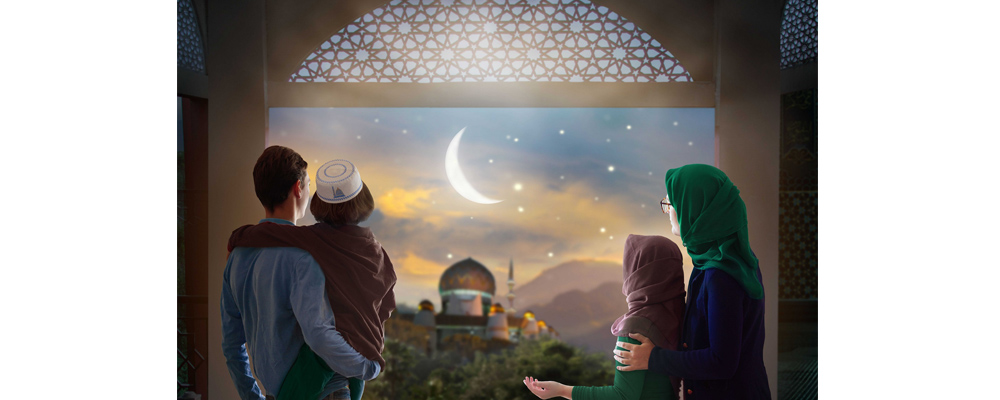
Ramadan is more than a month of fasting; it is a profound spiritual journey that ignites the soul, elevates faith, and transforms lives. It is a time of deep self-reflection, unwavering devotion, and renewed commitment to righteousness. Through fasting, prayer, and charity, believers cultivate patience, discipline, and empathy, strengthening their bond with the Divine and their fellow human beings. The physical abstinence from food and drink symbolizes a more excellent purification—cleansing the heart from negativity and rekindling the light of faith. Ramadan fosters a sense of unity as millions across the globe engage in the same sacred practices, reinforcing the ideals of brotherhood and compassion. The lessons learned during this holy month extend far beyond its duration, inspiring a lifelong pursuit of piety, gratitude, and selflessness. As the crescent moon heralds Eid, the journey does not end but continues in the transformed hearts of those who truly embraced Ramadan’s essence.
Masha Allah beautiful reminder.
Most needed lesson for the upcoming Ramadan. May Allah Taala bless you
Lovely write up Mashallah