

The author is a 3rd year MBBS student, NHLMMC, Ahmedabad
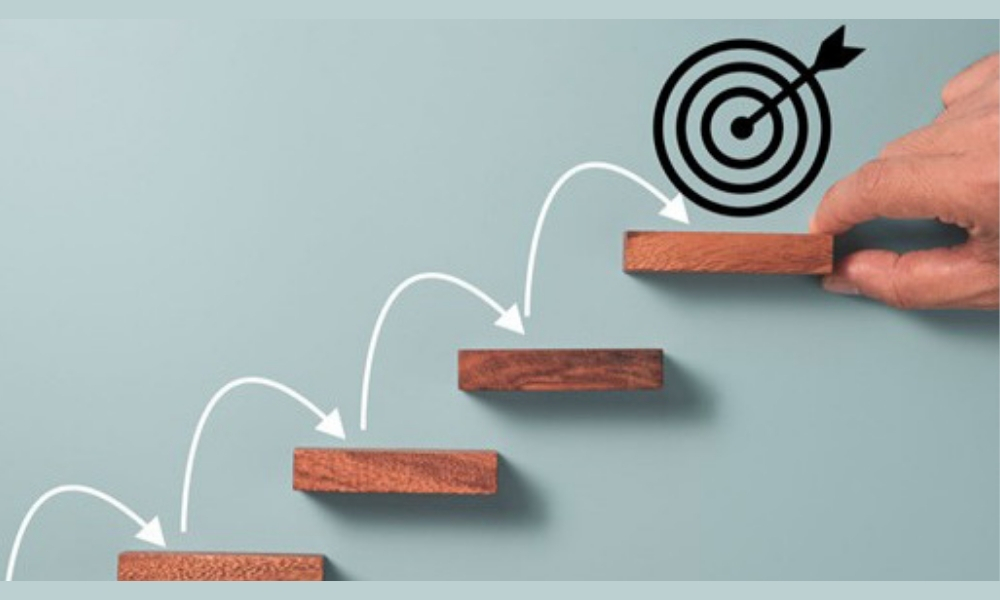
As a student, I have always felt a need to increase my productivity. From setting goals to being disciplined, I have tried everything, but nothing worked in the long run. And I am sure many of us in this era of hustle, where everyone has to do something, where everyone has to reach somewhere, feel the same way about increasing their focus and productivity. The human mind is a battlefield between light and noise. Every morning, when the first ray of dawn breaks through the window, it doesn’t just wake your body; it awakens a choice. The choice between chaos and clarity, between giving in to distractions or taking a stand against your own desires.
They say productivity is about time management, about planners, to-do lists, and calendars. But the truth is deeper, written in the folds of our neurons, in the silent communication between our amygdala and cortex, in the rhythm of hormones that rise with the sun. Productivity is not just about doing more. It’s a neurological conversation.
The spirit of productivity lies in the dawn
There’s something sacred about the hours before sunrise, that quiet time when the world hasn’t yet begun to demand. The 5 AM Club, a philosophy popularised by Robin Sharma, doesn’t just glorify waking early for discipline’s sake. It’s rooted in neuroscience.
There are multiple theories that Prove the science behind beginning your day from the dawn hours. Night owls might intervene and say “There is nothing like best productivity is in the early hours. You can be the most productive even after midnight etc. But the research doesn’t agree to this.
In the early hours of the morning, the prefrontal cortex — the seat of logic, planning, and decision-making is more active and uninterrupted. The limbic system, particularly the amygdala, which governs fear and emotional reactivity, is calmer. There’s less noise, literally and neurologically. This is why many spiritual traditions, from Fajr prayer for Muslims to meditation in monastic practices, anchor the early morning as a sacred time. It’s when your brain chemistry aligns with peace and focus.
The morning hours are the peak of productivity. Similar to a candle wick ready to ignite with a minor spark of flame. Hence, it is the best time to mould our physical and mental capacities and strive towards the best form possible.
The 20/20/20 formula that Robin Sharma proposes — 20 minutes of movement, 20 minutes of reflection, and 20 minutes of growth- isn’t just motivational poetry. It’s biological science in action. Movement releases endorphins and dopamine, triggering a cascade that sharpens attention. Reflection and journaling calm the amygdala and strengthen neural pathways of gratitude and focus. Learning stimulates neuroplasticity, your brain’s ability to grow, connect, and evolve. So this is how your mornings should begin with.
The Fight Within: Cortex vs. Caveman
The human brain is essentially two minds trying to coexist- the ancient protector and the modern creator. The amygdala is emotional, impulsive, and always scanning for danger. The cortex, especially the prefrontal cortex, is rational, visionary, and self-aware.
Every time you choose to study instead of scrolling, to pray instead of procrastinating, you are witnessing a microscopic war where the cortex is trying to override the limbic pull. That’s why productivity feels so draining: you’re not fighting laziness, you’re rewiring evolution.
The only way to win this inner battle is to train the cortex to take charge early in the day before the amygdala wakes. That’s the wisdom behind early rising: discipline before distraction.
Social Media Addiction is the greatest foe of productivity
If the brain were a city, the amygdala would be its alarm bell. It was built to keep you alive, not to make you thrive. Thousands of years ago, it helped you run from predators; today, it triggers the same fight-or-flight response when someone posts something better than you on social media.
That’s why comparison is the thief of joy, not just metaphorically but neurologically. Comparison activates the brain’s threat circuits, leading to the release of cortisol and adrenaline. Your system thinks you’re under attack, even when you’re just scrolling through someone else’s vacation photos.
The thalamus, another ancient structure, acts as a gateway, filtering sensory information. But when overwhelmed by constant digital stimulation, it loses its rhythm, sending too many signals to the cortex, fragmenting your attention. This is what distraction truly is.
Transient Hypofrontality
Have you ever felt so immersed in work or prayer that time dissolved? That’s called flow — a state of effortless focus described by psychologist Mihaly Csikszentmihalyi. In this state, the brain enters transient hypofrontality – a temporary reduction in activity of the prefrontal cortex.
It sounds paradoxical: your highest performance comes when your logical brain quietens. But that’s because when self-judgment and overthinking subside, the rest of your brain- motor, sensory, and creative networks synchronise beautifully.
Exercise, meditation, and deep creative work all trigger this state. It’s why the first 90 minutes after waking can feel magical if protected. Your brain’s circuits are primed for flow, but only if you don’t pollute them with dopamine overload from social media.
Application Over Accumulation
Learning is not growth until it’s applied. The cortex thrives on information, but the deeper brain learns through repetition and experience. Every time you take action — write, pray, move, create- you strengthen neural circuits. This is neuroplasticity in motion.
You can read 100 books on time management, but if you don’t act on them, your brain’s wiring remains the same. Knowledge without action is cognitive clutter — the illusion of progress. That’s why application beats consumption. You don’t grow by collecting ideas; you grow by engaging with them. Productivity is less about what you know and more about what you practice consistently.
Unhealthy Emotions
Anger, resentment, envy — these emotions are not just moral weaknesses; they’re neurological disruptions. They keep your amygdala overactive, flooding your body with cortisol, impairing concentration, and suppressing immune and creative functions.
Forgiveness and gratitude, on the other hand, release serotonin and oxytocin, which strengthen empathy and emotional regulation. When you forgive, you’re not being naïve; you’re reclaiming cortical control from the limbic hijack.
In productivity, this matters deeply. An angry, bitter mind cannot focus. A peaceful mind can do in one hour what an anxious one can’t do in a day. Also, the environment plays a major role in preventing procrastination. Physical environment significantly impacts cognitive performance. Lighting, noise, and temperature determine focus or distraction
Example: Google’s offices are designed around neuroscience to encourage focus and creativity
Consistency is the secret
There’s a line in Robin Sharma’s work: “Spectacular people behave spectacularly for so long, they forget what non-spectacular feels like.”
It sounds poetic, but neuroscience backs it up. When you repeat disciplined behaviour like waking early, exercising,and reflecting, your brain normalises that standard. Dopamine becomes tied to growth, not comfort. What once felt extraordinary becomes effortless. That’s the essence of mastery: when excellence no longer feels like effort. It’s not about perfection — it’s about consistency rewiring reward circuits. Hence, this advice works for me in all spheres of life i.e less is more when done every day.
Aisha (رضي الله عنها) reported being told by the Prophet (ﷺ) that the most beloved deeds to Allah are the most constant ones, even if they are few, and advised people to only take on deeds within their ability. That is why set short term goals, keeping in mind your mental and physical capacity and keeping them consistent which would eventually help you build a fixed routine. Our main aim should be to reach a point in our life where our actions become a subconscious thing which wouldn’t require much effort. Our routine build productivity that is not forced but becomes a reflex.
The Science of Spiritual Routine
In Islam, the day begins before dawn. The body fasts, the mind reflects, and the heart resets five times a day. These are not just rituals of faith — they’re neurophysiological acts of alignment.
Fasting, for instance, activates the process of autophagy, aka the brain’s natural detox mechanism. It also increases Brain-Derived Neurotrophic Factor (BDNF), a protein that promotes neurogenesis, the birth of new neurons. This explains why fasting often leads to sharper thinking, emotional clarity, and a deep sense of control.
The structured rhythm of salah (prayer) serves as a periodic cognitive break, reducing cortisol, stabilising the autonomic nervous system, and reinforcing mindfulness. It’s the same principle modern neuroscience calls attentional resetting and pausing the mental load to prevent fatigue and restore clarity.
Where modern productivity says “time block,” Islam says “pray.” Where self-help says “detox,” fasting says “purify.” The intention differs, but the neuroscience aligns.
The Science of Fasting and Focus
Fasting and focus are close cousins. During fasting, insulin levels drop, triggering ketone production, a cleaner energy source for the brain. Studies show that ketones improve mitochondrial efficiency and reduce oxidative stress, leading to sharper cognition.
Beyond biochemistry, fasting teaches delay of gratification, rewiring the same pathways that modern distractions erode. Every fast is a neurological reminder that restraint brings clarity.
When the Prophet Muhammad ﷺ said, “Fast and you will be healthy,” it wasn’t just a physical truth; it was a neuropsychological one. A fasting mind learns patience, self-control, and spiritual presence, all of which are prerequisites for deep productivity.
Practical Neuroscience for Daily Living
- Wake up early. The brain’s prefrontal cortex is most focused between 4:30–7:30 AM. Protect that window.
- Move before you consume. Exercise releases BDNF and primes neural
- Silence the noise. Reduce dopamine flooding from notifications and social media.
- Reflect and pray. Stillness regulates the amygdala and restores balance.
- Fast often. Let your brain detox — physiologically and emotionally.
- Forgive and let go. Clear emotional debris before it clutters focus.
- Apply, don’t just absorb. Act on knowledge to create lasting neural change.
- Sleep deeply. Memory consolidation and creativity depend on it. Without having the required amount of 7-8 hours of sleep your body won’t function. Hence it’s a necessity to have good sleep for a very productive day.
- Apply time management strategies like the Pomodoro Technique (work for 25 minutes, take a 5-minute break) to maintain focus and give the brain time to recharge
- Single-task instead of multitasking: Focusing on one task at a time enables various brain regions to work harmoniously, leading to better outcomes.
- Set clear goals: Specific goals spur motivation and program the RAS to focus on relevant information and tasks. I have recently started bullet journaling and randomly pointing my everyday goals and weekly goals if there is any prior schedule. And striking them off at the end of the day helps me increase my motivation and pushes me to complete the task. It basically keeps me organised and helps me manage time accordingly.
At the core of all this science lies a sobering truth, we are going to die. Our neurons will one day fall silent, our prefrontal cortex will rest, our thoughts will scatter back to dust.
So what will we do with the days we have?
You can’t live in constant digital noise and expect deep thought. You can’t waste hours gossiping and hoping for wisdom. You can’t indulge every craving and expect your brain to obey you when you need focus.
The human brain works on reinforcement. Whatever you reward, it repeats. Every time you pick your phone instead of your book, you train your neurons to prefer instant comfort over effort. Every time you sit with silence and discomfort, you teach your cortex to endure.
You cannot serve both the distraction and the dream.
Crisp, Informative and clear.
May Allah reward you for putting in the work.
Hope to see more such articles.