
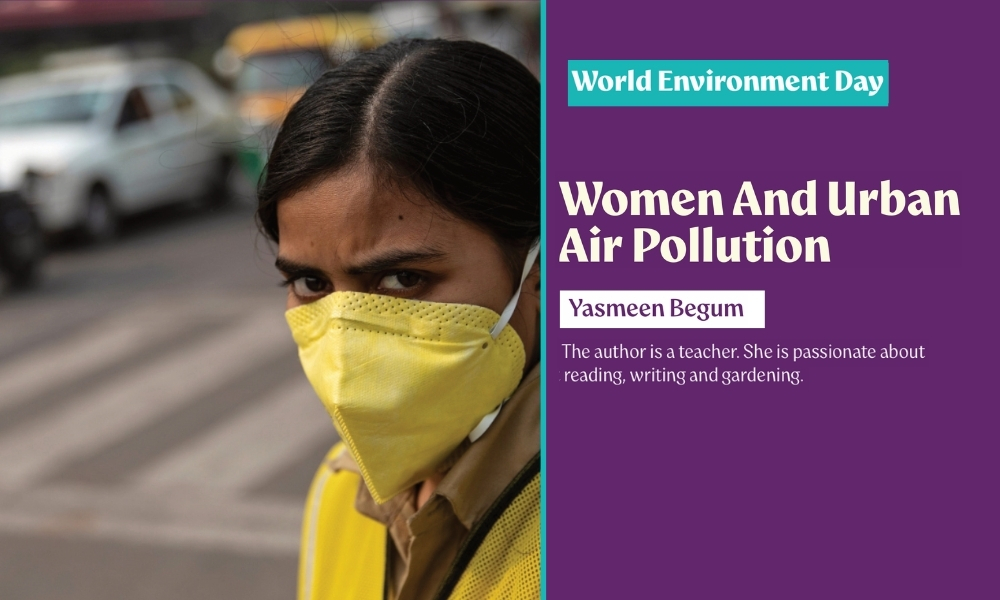
The author is a teacher. She is passionate about reading, writing and gardening.
Women in urban areas are mostly affected by air pollution due to their roles in the household, limited access to resources, and increased exposure to indoor air pollution from cooking. The impacts on their health are significant, ranging from fertility issues to respiratory and cardiovascular conditions.
Why are women more vulnerable to urban air pollution?
Traditional Gender Roles: In many societies, women are primarily responsible for household duties, including cooking, which exposes them to high levels of indoor air pollution from burning biomass, coal, and kerosene.
Socio-economic Factors: Women are often more likely to live in poverty and in areas with limited access to resources, housing, and emergency services, which reduces their ability to cope with environmental challenges.
Physiological Factors: Some evidence suggests women are more vulnerable to the physiological impacts of air pollution, with potential effects on their reproductive health.
Health Impacts on Women
Reproductive Health: Air pollution is linked to impaired reproductive function, infertility, and other complications. Studies show it can affect menstrual cycles and potentially impact IVF outcomes.
Increased Disease Risk: Women’s prolonged exposure to air pollution increases their risk of developing chronic conditions, including various cancers, respiratory illnesses, and cardiovascular diseases.
Vulnerability During Pregnancy: Pregnant women face higher risks from air pollution, as it can lead to adverse health outcomes like increased oxidative stress and potential harm to the developing fetus.
What Can Be Done?
Targeted Policies: Policies and interventions need to be tailored to address the specific vulnerabilities and characteristics of different gender roles.
Promote Cleaner Cookstoves: Transitioning to cleaner fuels and more efficient cookstoves for households can significantly reduce indoor air pollution, a major source of exposure for women.
Increase Women’s Participation: Empowering women to participate in environmental decision-making and advocacy can lead to more equitable and effective policies for cleaner air and better health outcomes.
Improve Urban Design and Healthcare: Investing in innovative technologies, improved urban planning, and accessible healthcare services can create environments that are healthier and more resilient for women.
The fact is, poor women street vendors and domestic workers, who lack economic resources, are disproportionately exposed to severe air pollution through their daily work and household activities, while middle-class women can afford air purifiers to mitigate indoor pollution. This creates a gap, where so-called status dictates a person’s ability to avoid respiratory illnesses and reproductive issues from poor air quality.
On the contrary, the Middle-Class Women:
Economic Advantage: Middle-class women have the economic ability to purchase air purifiers for their homes, which significantly reduce indoor air pollution and protect their families’ health.
Greater Control over Environment: They have more control over their living environment, choosing to live in areas with better air quality and installing technologies that improve air quality indoors.
Reduced Exposure: By having access to these technologies, middle-class women and their families face substantially lower levels of indoor air pollution, mitigating many of the associated health risks.
Urban development failures include environmental issues like pollution and waste, social problems like housing shortages, slums, inequality, and crime, and infrastructure deficiencies like inadequate water, sanitation, and services. These failures often stem from rapid, unplanned urbanization, lack of foresight by planners, inadequate funding, corruption, and the inability to balance growth and the well-being of residents.
Open burning and vehicular pollution are major sources of harmful air pollutants, which disproportionately affect women and children, increasing respiratory and heart disease risks.
In response, women-led community movements, such as Warrior Moms in India, are organizing to raise awareness, demand policy changes, and take grassroots actions to secure cleaner air for their families and communities.
These movements use petitions, data from air quality monitors, and advocacy to empower women as agents of change against both these specific pollution sources and the broader health impacts of poor air quality.
0 Comments