
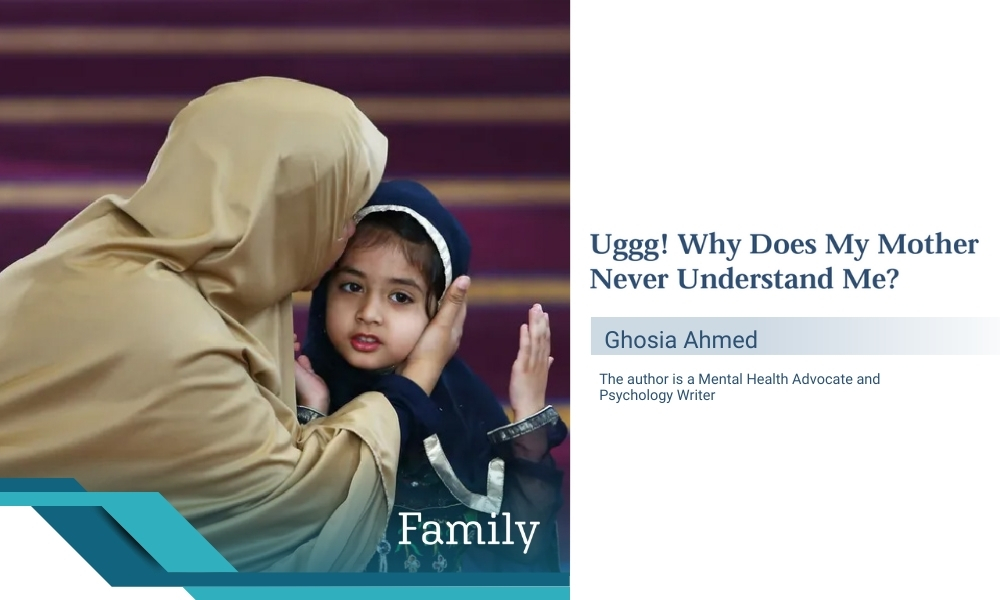
The author is a Mental Health Advocate and Psychology Writer
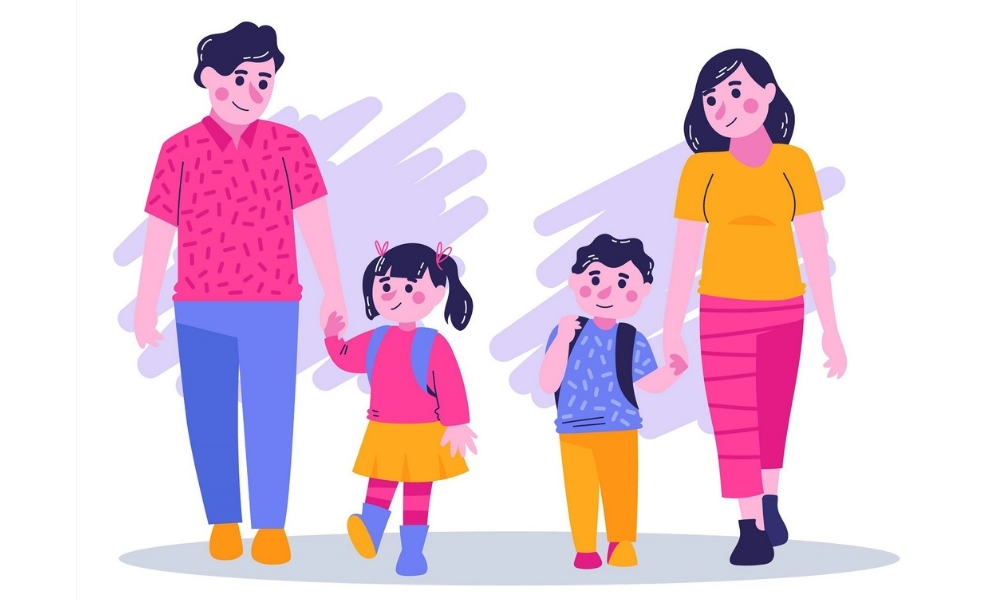
Research by Parents.com and CNN (2024) indicates that 41.5% of teens in the US feel emotionally disconnected from their parents.
Are these just some expected regular figures, or something we need to be concerned about?
Emotionally absent individuals, or those lacking emotional support and appreciation, are prone to multiple problems like a sense of rejection, insecurity, dependency, lack of attachment, or negative survival techniques.
But is it always the parents who fail to give the support that impacts their children’s lives lastingly? Or maybe it’s the lack of initiative from the children’s side to strengthen their bond?
According to CNBC’s 2024 report, 66% of parents in the US feel isolated and lonely sometimes or frequently due to the demands of child-rearing — a feeling linked to a sense of disconnection from their growing, increasingly independent children.
So the question is: if parents feel their children are not available for them, and children think their parents are not giving them what they need most — that is, emotional support — then who is wrong in this situation? What do you say: parents or children? Or maybe both?
Let’s cut to the core and understand why people change with time and how this affects their bonding with others.
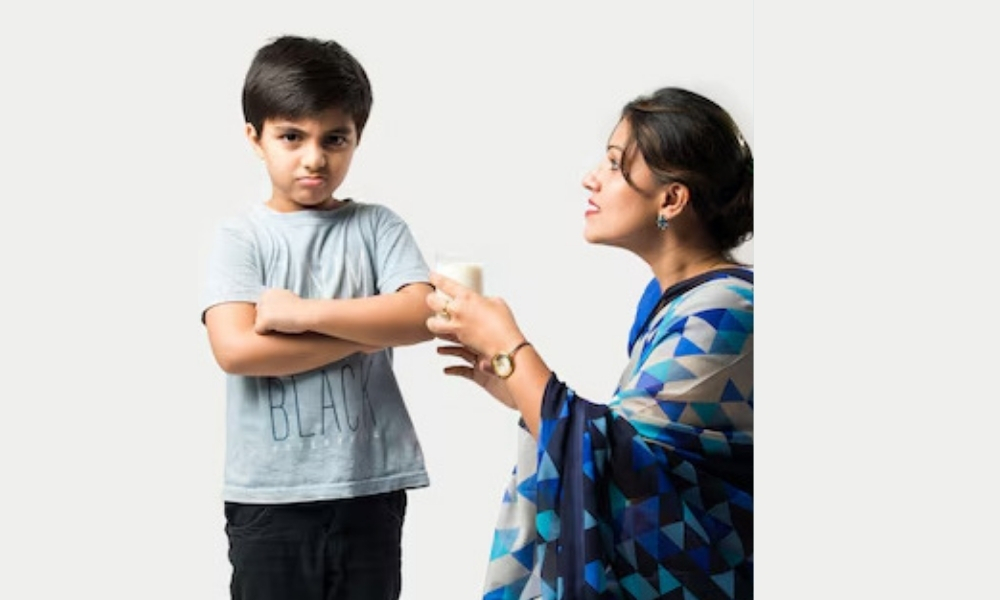
As kids grow up, they feel they need different emotional support and presence. But when they find their parents stuck in the same time loop, they become avoidant and start feeling that their parents cannot understand their feelings. And that is the stage when they conclude, Uggg! My mother/father never understands me.
Unaware of, or forgetting, Islamic teachings, they make themselves sinful through such behaviour.
Once Prophet Muhammad (peace be upon him) said three times, “Shall I not tell you about the worst of major sins?” They said, “Of course, O Messenger of Allah.” He said,
“الشِّرْكُ بِاللَّهِ وَعُقُوقُ الْوَالِدَيْنِ” — “Associating partners with Allah and showing disrespect to parents.” Then he added, “And surely to speak falsely.”
(Sahih al-Bukhari 2654, Sahih Muslim 87)
This hadith underscores the seriousness of disrespectful acts children commit toward their parents.
But what is the scientific reason behind the change in behaviour? Let’s learn about it.
This evolution of thought is explained in Jean Piaget’s theory. Piaget explains how the cognitive (intellectual) abilities of a child change with age. According to him, there are four stages of cognitive development:
- In the first stage, a child learns about the world through their senses and actions. Haven’t you seen little babies touching everything out of curiosity, even things that might harm them?
- In the second stage, they use language and symbols to think about the world, but understanding an adult’s perspective is still a struggle.
- In the third stage, they start to think logically and understand detailed information easily, but still struggle with abstract ideas.
- In the fourth stage, they develop the ability to think scientifically and abstractly. Complex ideas are no longer monsters. The special thing about this age is that young adults start forming their own independent opinions, which may sometimes counter or challenge their parents’ views.
This is the stage when parents find their once-favorite child is no longer obedient. So we can understand that they are evolving naturally, and countering others’ opinions is a part of their development.
At this last stage, many parents find their children are no longer the same, and that’s true. But instead of denying their children’s opinions or feelings by labelling them as sullen, they should respect their children and give them space to form their own beliefs and principles. Verification of every note is not the rule of the game, but treating them as individuals is important for proper growth.
And what about the parents — our cute, innocent parents — who are losing their cognitive abilities year by year as a result of stress, mental conflicts, hectic schedules, pressure, and the hard realities of life?
As life goes up, intelligence comes down.
Long story short, to figure out the solution, we need to work on LOVE.
L for Listening: Listen affectionately. The more you listen, the more you know about the person. Feel like you are trying to understand the backstory and emotion behind every single word.
O for Ownership: Being a parent, you definitely have rights over your child. Parents bring life into this world, but they don’t own it. Still, the child is something Allah has granted them, and they will be answerable for them on the Day of Judgment. Treat children according to their age. The child who once felt pleased with your lullabies now has other needs as a grown-up. Treat children as individuals who have personal tastes and choices.
A relevant hadith from Prophet Muhammad (peace be upon him) shows that Allah has given children the right to be treated fairly:
“اتقوا الله وأعدلوا بين أولادكم”
“Fear Allah and treat your children fairly.” (Sahih al-Bukhari 2447; Sahih Muslim 1623)
V for Value: In this fast-paced life, we forget to cherish the small and big precious moments that will never come back. Remember — when was the last time you, as a child, truly showed gratitude for whatever your parents went through to provide you with things they never had as children? Value the efforts of your child and your parents before judging the worth of what they are doing for you.
E for Efforts: It doesn’t matter where your bond stands at present — make efforts to make it better. Effort is not always about bringing expensive gifts; sometimes it’s about patiently listening with a smile, holding their hand in yours, or accepting apologies with a hug.
Because your people deserve your LOVE.
Ending with an Arabic saying:
“المحبّة هي التي توحّد الأرواح وتجمع القلوب.”
Love is what unites souls and gathers hearts.
Appreciating the blend of Islamic psychology with modern insights: it’s a powerful approach to holistic well-being!💕
Our parents also just want time from us. As your post says, We need to work on LOVE. Listening is more important for both childrens and parents and create Happy and healthy boundaries..
Be always available for your loved ones.💞🫂