

The author is a social worker, educationist and writer
As we approach the year’s end, many of us must have noticed ourselves glued to screens—scrolling through feeds, replying to messages, or bingeing content late into the night. While our digital lives keep us connected, they often leave us mentally drained and distract us from genuine human interaction. To encourage mindful technology use and restore balance between the online and offline worlds, December 10th is observed as World Digital Detox Day. The initiative invites individuals and communities to step away from their devices and focus on mental well-being, real-world relationships, and what’s often called “analog wellness”. This annual observance also highlights the risks of excessive screen time, including its association with digital dementia and challenges to childhood health.
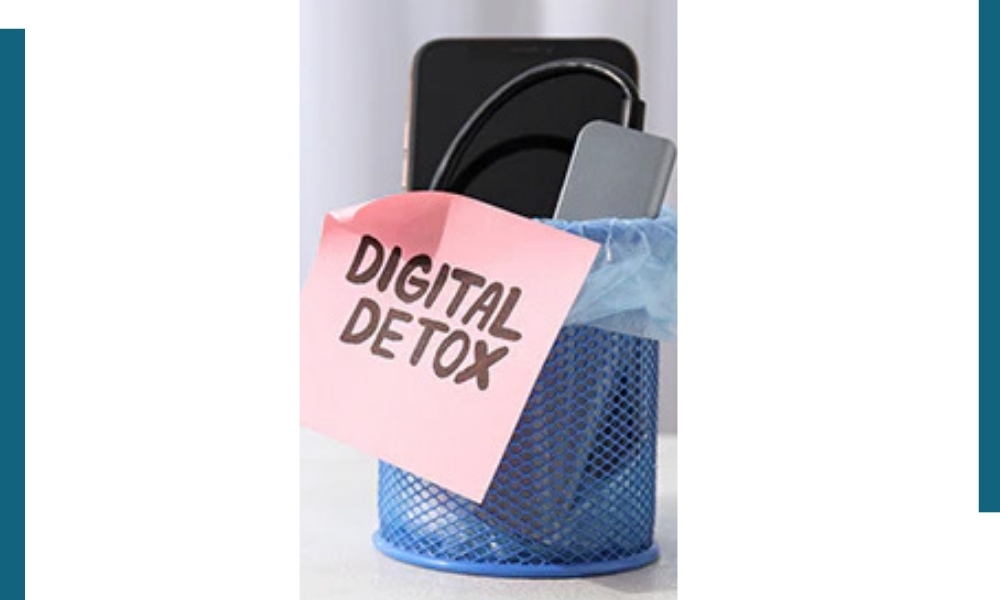
As we approach the close of the year, the occasion serves as a timely reminder to engage in a digital detox—a deliberate, mindful effort to step away from screens and reconnect with ourselves, our families, and the world around us.
What is Digital Detox?
A digital detox refers to an intentional break from digital devices and online platforms. It doesn’t require you to abandon technology altogether, but rather to establish boundaries so that you can restore balance. The aim is to reduce screen time, limit digital distractions, allow your mind and body to recover from constant stimulation, and reconnect with the offline world. It typically involves stepping away from social media, switching off non-essential notifications, and engaging in offline activities such as reading a physical book, going for a walk, journaling, or spending unhurried time with loved ones.
At first glance, the idea of a digital detox may seem contradictory in today’s hyperconnected world—where work, education, healthcare and socialising often depend on technology. It is precisely this overdependence that makes detoxing important. While technology continues to advance and integrate deeply into everyday life, it is essential to disconnect periodically in order to maintain mental clarity, emotional balance and healthy relationships.
Why We Need a Detox
Mental Overload Our minds are constantly bombarded by notifications and endless scrolling. Research shows heavy screen use is linked to increased anxiety, sleep problems and difficulties with attention.
Reduced Real-World Connection We increasingly interact virtually—through updates, posts and messages rather than face-to-face. A digital detox helps rebuild authentic human relationships and encourages mindful, present conversation.
Sleep & Circadian Rhythm The blue light emitted by screens interferes with melatonin production, the hormone that regulates sleep. Unplugging from devices, especially before bedtime allows the body and mind to rest more naturally.
Emotional Reset Social media often triggers comparison and self-criticism making us feel left behind or inadequate. A digital detox gives space for emotional recalibration, shifting focus away from others’ curated lives and toward our own journey, gratitude and self-worth.
Who Needs a Digital Detox?
While nearly all of us can benefit from a digital detox, it becomes especially important for those who feel overwhelmed, anxious or irritable because of excessive screen time. This includes people who-Struggle with focus or staying on task because devices keep interrupting them; sSuffer from poor sleep or restlessness linked to late-night screen usage; Depend on their devices so much that they neglect responsibilities in favour of online activity.
Mental and emotional signs:
Feeling stressed, anxious, or depressed after using social media.
Feeling irritable, frustrated, or angry.
Feeling worried or panicky if you can’t find your phone or be online.
Comparing yourself to others online or being preoccupied with likes and comments.
Reaching for your phone out of boredom or habit.
Physical and behavioural signs:
Difficulty sleeping or interrupted sleep.
Trouble concentrating on a single task without checking your phone.
Staying up late or getting up early to use devices.
Ignoring responsibilities at work or home because you are online too much.
Losing interest in in-person social activities in favour of online ones.
Benefits of Digital Detox
- Improved Mental Health
Stepping away from screens reduces information overload and digital stress. It calms the mind, lowers anxiety, and fosters greater peace of mind.
- Better Sleep Quality
Blue light from devices disrupts the body’s natural sleep rhythms. Taking at least an hour off-screen before sleep improves melatonin regulation and leads to deeper, more restful slumber.
- Stronger Real-World Connections
Putting away the phone opens up space for real conversations, meaningful interactions, eye contact and presence. These are far stronger foundations for relationships than likes or emojis ever can be. Without screens filling every spare moment, you can rediscover offline joys like reading, cooking, walking, nature, simply being still.
- Increased Focus and Productivity
Notifications and constant multitasking fragment attention. A digital detox helps reset your brain, improving concentration, creativity and efficiency at work or study. Free from constant digital distraction, your mind has space to wander, reflect and imagine. That mental breathing room often sparks fresh ideas and inspiration
- Emotional Balance and Mindful Living
Disconnecting from social media reduces comparison and self-doubt. Instead, you can focus inward—on gratitude, self-worth and personal growth rather than seeking constant external validation.A digital detox encourages awareness of how you use technology. Over time, you learn to use devices purposefully, not impulsively and thereby cultivating a healthy, balanced digital lifestyle.
Practical Strategies for Detox This December
Successful digital detox requires intention, planning, and balance. Start by setting clear boundaries. Keep phones away during meals, early mornings, and before bedtime. Even a few screen-free minutes each day can make a big difference.
Next, identify the apps and websites that drain your time and energy. Unfollow, uninstall, and unwind. Turn off unnecessary notifications, and replace scrolling with soothing activities like reading, journaling, exercising, or a quiet walk outdoors.
Try dedicating one day a week—perhaps Digital-Free Sunday—to go completely offline. Use that time to reconnect with family, explore nature, or simply rest without distractions. You can also create tech-free zones at home, like the dining table or bedroom, to encourage real conversations and better sleep.
Finally, use technology wisely. Schedule specific times for checking messages or emails and stick to them. Be intentional about your mornings and evenings. Avoid checking your phone for the first and last 30 minutes of the day. Use that time for reflection, prayer, or planning.
Lastly, ease into the process—don’t go “cold turkey.” Let your friends and family know about your plan so they can support you. By taking small, consistent steps, you’ll cultivate healthier digital habits, regain focus, and rediscover the simple joys of being present in the real world.
Overcoming Challenges During a Digital Detox
The most common obstacle in a digital detox is resisting the habitual urge to check devices, driven by fear of missing out (FOMO) or boredom. At first you might feel restless, bored or anxious—and that’s normal. The way past these challenges is by shifting your mindset: see this as a chance to reconnect and recharge, not as a restriction.
Some people may experience mild withdrawal symptoms such as irritability, anxiety or sense of loss during the early days of unplugging. Recognising these as part of the adjustment process helps you stay committed. Mindfulness techniques, deep-breathing exercises and offline interactions can ease the discomfort. Replacing screen time with meaningful offline activities—reading, exercising, connecting with loved ones will help in reducing the withdrawal symptoms.
Once you complete your detox, maintain balance by setting ongoing boundaries, creating tech-free zones, and taking regular screen breaks. Use technology purposefully—to learn, work, or connect—without letting it dominate your day.
Turning this short-term detox into a lifestyle is about consistency. Reflect on how refreshed you felt during your break and make it a monthly habit. Encourage your friends, family, or coworkers to join—digital wellness grows stronger in the community.
Final Thought
Technology is a powerful ally, but only when used wisely. This December, give yourself the gift of presence. Unplug from screens, reconnect with life, and start the new year with clarity, calm, and purpose.
References:
- Royal-N Ramadhan et al. “Impacts of digital social media detox for mental health: A systematic review and meta-analysis.” Narra J. 2024. (pmc.ncbi.nlm.nih.gov)
- “A comprehensive review on digital detox: A newer health and behaviour approach.” PMC. (pmc.ncbi.nlm.nih.gov)
- “Digital Detox Facts | Internet Addiction Facts | Time To Log Off.” Itstimetologoff.com. (itstimetologoff.com)
- “Digital Detox: How to Overcoming Challenges & Benefits.” Exon Publications. Retrieved from https://www.exonpublications.com/index.php/exon/article/view/digital-detox-how-to-overcoming-challenges-benefits/1599
0 Comments