
The author is a freelance writer and former content writer from Noida. A postgraduate in Mass Communication and Journalism from Kanpur University, she currently resides in Bareilly, UP
Kindness next door; embracing the sunnah
In a world of close-quarters living, the Sunnah of Prophet Muhammad (PBUH) offers timeless guidance on neighbourly kindness. As stated in the Qur’an:
Worship Allah alone and associate none with Him. And be kind to parents, relatives, orphans, the poor, near and distant neighbours, close friends, needy travellers, and those bondspeople in your possession. Surely Allah does not like whoever is arrogant, boastful—(Qur’an 4:36)
This verse teaches Muslims to treat neighbours—whether relatives or strangers—with kindness and respect, encouraging a sense of community and compassion.
Prophet Muhammad’s (PBUH) emphasis on neighbours can be underlined by connecting the Qur’anic themes to his famous Ahadith, such as:
- People are partners in three things: water, fire, and air,” illustrating the shared public good.
- “By Allah, he is not a believer whose neighbour is not safe from his evil.”
- “Gabriel kept urging me to treat the neighbour well, so much so that I thought he would assign a share of the inheritance to them.”
- “He who believes in God and the Last Day, let him not harm his neighbour; and he who believes in God and the Last Day, let him honour his guest.”
These principles, drawn from collections like Sahih Bukhari and Muslim, underscore the importance of avoiding harm and promoting goodwill, serving as a foundation for modern neighbourly practices.
A Knock, A Caring Neighbor: Reviving the Neighborly Sunnah
“Neighbours in Need, Sunnah in Action”
Here is a True Story of a Good Neighbour and its relevance to good neighbourliness, which is Islamic teachings and everyday practices, highlighting the Sunnah of checking on the well-being of neighbours and offering help promptly.
A family living (elderly couple) in a close-knit neighbourhood also had an elderly neighbour. But the difference is that she lived alone. She had recently recovered from illness but was still weak and staying at home.
One day, a neighbour noticed her curtain was drawn all day and there was little movement from her window. Remembering the Prophet’s guidance to check on neighbours and to offer assistance, this neighbour knocked softly, announced themselves, and asked if she needed anything.
The elderly neighbour admitted she was feeling devastated and hadn’t kept up with house chores or meals. The neighbour offered to help with groceries, cleaned her kitchen, and prepared a feast.
Despite their own advanced age, the couple made it a point to visit their neighbour regularly, bringing her home-cooked meals, helping with her daily needs, and providing emotional support during her recovery. They would often sit by her bedside, engaging her in conversation and ensuring she was comfortable.
The Forgotten Sunnah in Action
The elderly couple’s actions demonstrated the forgotten Sunnah of checking on one’s neighbour. Their selfless dedication to lonely neighbours‘ well-being, even at their own expense, was a true testament to the Prophet’s teachings.
By fulfilling this neighbourly duty, they not only helped her during her time of need but also strengthened the bonds of their community. Their story serves as a reminder to all of us to revive this forgotten Sunnah and prioritise the interests of those living around us.
Small Checks, Stronger Communities
In the bustling world of apartment living, where walls separate us but shared spaces connect us, reviving the forgotten Sunnah of checking on neighbours can transform our communities. Drawing from timeless stories of kindness, such as Prophet Muhammad’s (peace be upon him) compassionate acts, we can incorporate simple, everyday practices to promote empathy and support. Whether it’s a quick hello in the hallway or a helping hand during tough times, these acts not only strengthen neighbourhood ties but also create a more harmonious living environment.
Modifying behaviour in neighbouring acts within apartment culture is affected by factors such as close physical proximity, mixed lifestyles, and often limited personal interaction, which can cause issues in mutual respect, communication, and community living.
From Strangers to Lifesaver: Practising the Forgotten Sunnah of Neighbourly Care
Key Changes and Challenges in Apartment Neighbouring Behaviour
- Increased Noise and Disruptions
Apartment living means sharing walls and close quarters, so noise complaints (such as loud music, parties, dogs barking, and slamming doors) are common triggers of neighbour tension. Such manners reflect a shift toward more individualistic lifestyles with less concern for neighbours’ peace.
- Decreased Social Interaction and Familiarity
Unlike traditional neighbourhoods, apartment residents often experience limited social contact, leading to weak neighbourly bonds and increased mistrust or anxiety with unfamiliar neighbours. This isolation reduces the informal social control and communal respect that encourage good behaviour.
- Rising Incidences of Thoughtless or Inconsiderate Acts
Examples include leaving trash in common areas, misusing property (e.g., parking issues), and careless disposal of waste, which harm the collective environment and reflect a diminished sense of communal responsibility.
- Conflict and Harassment
Some neighbours may engage in rude, hostile, or even harassing behaviours, which deteriorate the sense of safety and belonging within apartment complexes. This marks a behavioural change from polite coexistence to more confrontational relations.
- Communication Barriers
Residents often avoid confrontation due to fear of conflict or social anxiety, leading to unresolved issues and frustration. Effective communication channels, such as respectful dialogue, notes, or involving property management, are crucial but underused.
Neighbours or Strangers? The Characteristics Shaping Neighbourly Behaviour in Apartments
Apartment living offers convenience and a sense of community, but it also presents unique social challenges. High-density, diverse environments can test even the most patient residents. Understanding the underlying factors is the first step toward building better relationships.
Key Factors Affecting Neighbour Relations
- High Density & Diversity
Multiple lifestyles coexisting in close quarters naturally create potential for friction. Different cultural norms, daily routines, and personal preferences can clash without mutual understanding.
- Anonymity & Turnover
Frequent resident movement weakens community bonds and reduces personal accountability. When neighbours feel like temporary strangers, investment in long-term relationships diminishes.
- Limited Guideline Enforcement
Building policies often lack consistent enforcement, creating uncertainty about behavioural expectations and consequences.
- Stress & Busy Lives
Modern pressures leave little room for patience or tolerance. Rushed schedules and personal stress can amplify minor irritations into major conflicts.
Practical Ways to Improve Neighbour Relations
- Communicate Respectfully
- Address concerns calmly and privately.
- Choose appropriate timing for discussions.
- Focus on solutions rather than blame
- Use Community Resources
- Involve building managers for persistent issues
- Seek mediation services when communication stalls.
- Utilise official channels for formal complaints
- Practice Empathy
- Acknowledge diverse backgrounds & lifestyles.
- Make time for brief, friendly interactions.
- Consider others’ perspectives before reacting
- Get Involved
- Participate in community events and activities.
- Join building committees or social groups
- Volunteer for shared space maintenance
- Mind Shared Spaces
- Maintain cleanliness in common areas.
- Respect designated quiet hours
- Be mindful of noise levels and privacy boundaries
Building Better Communities, One Interaction at a Time
Apartment life may bring challenges like noise and isolation, but by embracing the Sunnah of kindness—as taught in Surah An-Nisa (4:36)—residents can transform their environments. As the verse reminds us: “Worship Allah and associate nothing with Him, and to parents do good, and to relatives, orphans, the needy, the near neighbour, the neighbour farther away, the companion at your side, the traveller…”
Through mutual respect and small, consistent efforts, we can turn strangers into supporters, creating welcoming communities. Let this be a call to revive the forgotten Sunnah, one kind act at a time.
“The foundation of good neighbour relations isn’t perfect harmony—it’s mutual respect and willingness to connect.”
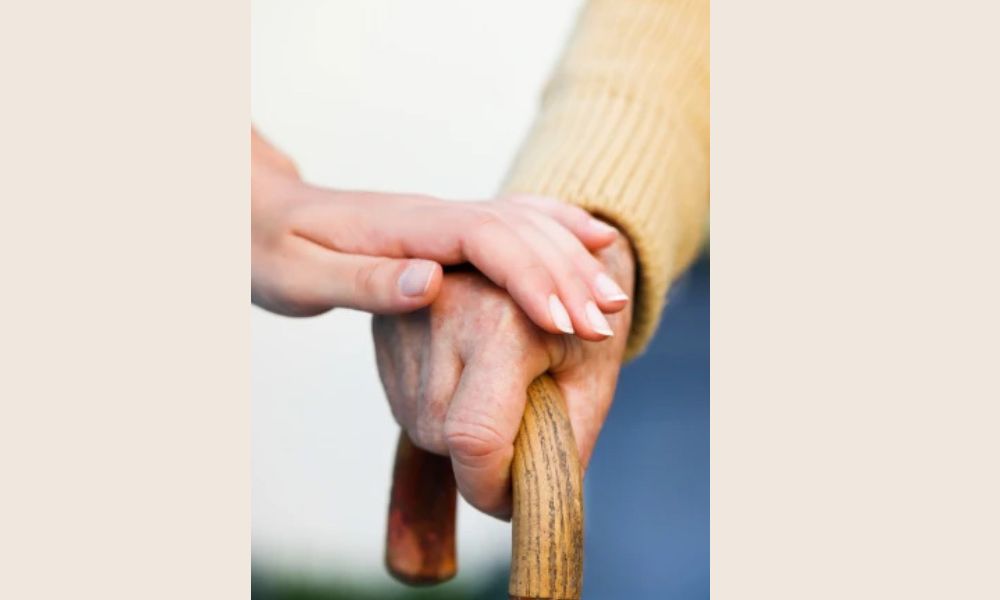
Good remainder towards maintaining relationship with neighbours