

The author is a freelance writer and former content writer from Noida. A postgraduate in Mass Communication and Journalism from Kanpur University, she currently resides in Bareilly, UP
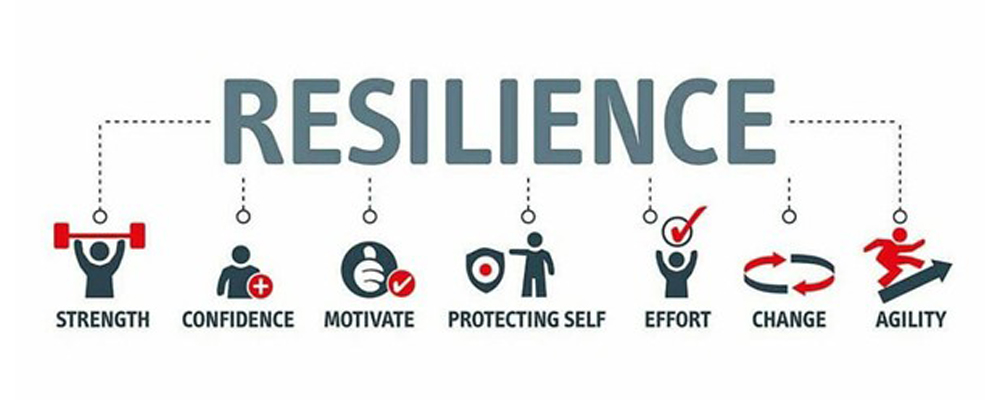
In every challenge, see the hand of Allah guiding you. Let your faith be a beacon that inspires others.
In an age shaped by technology and artificial intelligence, where instant gratification often overshadows patience, and faith can feel like a fragile thread, this generation’s pursuit of fleeting pleasures—amplified by social media and digital distractions—sometimes weakens complete submission to Allah, leading to fluctuating levels of Iman (faith). Yet, as the Prophet Muhammad (peace be upon him) said:
Faith wears out in the heart of any one of you just as clothes wear out, so ask Allah to renew the faith in your hearts.
(Mustadrak al-Hakim, Hadith 1/4)
Life’s trials, often unexpected, test our resilience and shake our beliefs. For Indian Muslims in 2025, these challenges are both profound and persistent. Faith, however, remains a steadfast anchor, offering hope and strength amid adversity. This article explores how Iman illuminates a path through historical and modern struggles, drawing on the enduring legacy of figures like Bilal ibn Rabah and the unyielding spirit of Indian Muslims today.
Bilal’s story embodies ultimate faith:
Bilal ibn Rabah, an enslaved Abyssinian in Mecca, embraced Islam’s message of one God, defying his cruel master, Umayyah ibn Khalaf. Tortured on burning sand with stones crushing his chest, Bilal’s spirit held firm, proclaiming “Ahad, Ahad!”—One, One! His unyielding faith led Abu Bakr to secure his freedom. As the first muezzin, Bilal’s voice called Muslims to prayer in Medina, symbolising devotion. His story echoes the resilience of Indian Muslims today, who blend faith with modern aspirations, promoting unity in the face of adversity and compassion in a diverse India.
Modern Challenges: The Landscape for Indian Muslims in 2025:
Today, Indian Muslims—approximately 204 million strong, or 14% of India’s population—navigate a complex web of socio-political and economic challenges. The rise of Hindu nationalism under the Bharatiya Janata Party (BJP) has intensified these struggles, often testing the community’s spirit. Key issues include:
- Systemic Inequities: Socio-economic disparities and educational gaps limit access to institutions, while communal polarisation fuels exclusion. Technology, while offering opportunities, also amplifies these divides through the spread of misinformation and online hate.
- Communal Violence: Incidents of mob lynching and hate speech persist. On July 26, 2025, Arif, a Muslim cloth peddler in Meerut, was brutally assaulted by a group accusing him of theft—an attack opposition parties labelled as targeted and well-planned to disturb for political gains (The Hindu, July 27, 2025). Such events highlight an atmosphere of everyday discrimination.
- Policy Pressures: Laws like the Citizenship Amendment Act (CAA), National National Register of Citizens (NRC), the Triple Talaq ban, and the Waqf Amendment Bill have sparked insecurity. In Assam, over 50,000 Bengali Muslims have faced evictions since May 2021, with 3,400 homes demolished in the past month alone (Reuters, July 28, 2025).
- Judicial Struggles: – -False convictions remain a risk due to biases in policing. In July 2024, the Bombay High Court acquitted 12 Muslim men in the 2006 Mumbai blasts case after 18 years of wrongful imprisonment, exposing systemic flaws (India Today, July 21, 2025).
-Love Jihad is too prominent nowadays, and Muslim men face arrests and prolonged trials.34 individuals arrested in Uttar Pradesh within a month of the 2020 law’s passage, highlighting judicial delays and harassment.
-A 2018 study by Common Cause and Lokniti found that 47% of Indian Muslims fear false terror accusations, with police often planting evidence.
These adversities, compounded by an Islamophobia-fueled digital culture, challenge the community’s resolve. Yet, faith offers a way forward.
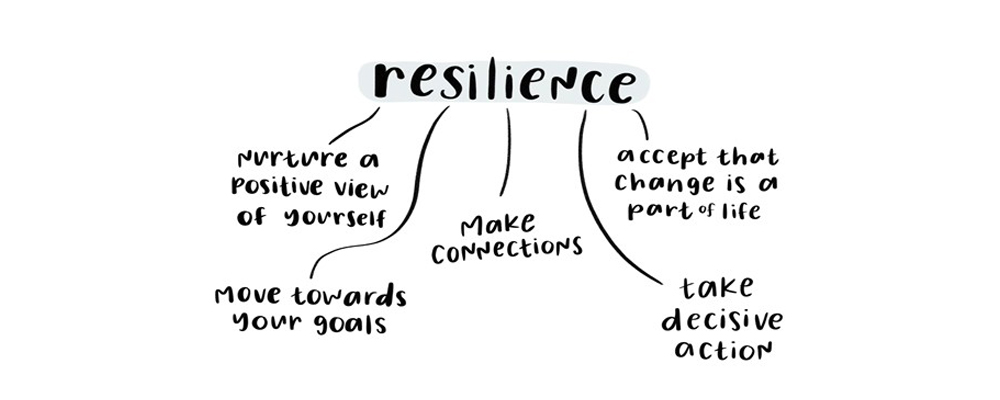
The Indian Muslim-A Beacon of Faith and Fortitude:
In the face of severe adversity, Indian Muslims in 2025 draw upon their Iman—their unshakeable faith in Allah—to rise above challenges with dignity, stability, and hope. Conducted by the virtues of Sabr (patience) and Taqwa (God-consciousness), their faith becomes a beacon, illuminating a path through trials with divine strength. Despite continuing identity crises, systemic challenges, and heartbreaking losses, Indian Muslims weave a tapestry of courage and unity, proving that faith can transform difficulty into a journey of spiritual triumph.
Allah(SWT) says:
If you remain patient and adopt Taqwa (God-consciousness), their schemes will not harm you in the least. Indeed, Allah encompasses all that they do.”
(Aal-e-Imran: 120)
In 2025, Indian Muslims draw on their Imams to navigate challenges with resilience, using spiritual practices, community initiatives, technology, and advocacy to rise above adversity. Blending faith with modern demands, they foster hope, unity, and progress, contributing to India’s diverse fabric. As the Qur’an (2:153) assures, “Allah is with those who are patient,” guiding their pursuit of dignity and a just future.
1. Spiritual Resilience:
- Community-Driven Initiatives: Educational Empowerment: Organisations like the Al-Ameen Educational Society in Bangalore provide scholarships and vocational training, enabling over 10,000 Muslim youth in 2024 to pursue careers in technology and healthcare (The Times of India, June 15, 2024). These efforts counter educational disparities.
- Economic Self-Reliance: Muslim entrepreneurs are leveraging technology to build community-driven economies. Platforms like “Zabiha” in Hyderabad connect halal businesses with consumers, promoting financial independence and countering systemic exclusion.
- Interfaith Solidarity: Initiatives like the “Aman Caravan” in Delhi organise interfaith dialogues, with over 500 events in 2024, fostering mutual understanding between Muslims, Hindus, and other communities (Hindustan Times, December 10, 2024). These efforts combat communal polarisation.
- Utilising Advanced Technology: Countering Digital Narratives: Muslim youth are using social media to reclaim their narrative. Platforms like “Muslim Youth Connect” offer Islamic guidance tailored to modern challenges, helping young Muslims navigate identity crises while staying rooted in faith. Influencers and activists create content to challenge stereotypes and promote positive stories of Muslim contributions.
- Skill Development: Online learning platforms are being used to bridge educational gaps. Muslim-led NGOs partner with tech companies to offer coding boot camps and digital literacy programs, empowering young people to thrive in India’s tech-driven economy.
- Advocacy and Legal Resistance: Muslim communities are engaging with civil society and legal systems to challenge discriminatory policies. Activists have filed petitions against the CAA and NRC, while community leaders work with human rights organisations to document evictions and advocate for justice.
- The acquittal of wrongfully convicted Muslims, like the 2006 Mumbai blasts case, has spurred grassroots movements demanding judicial reforms and fair policing.
- Cultural Adaptation and Resilience: Balancing Tradition and Modernity: Young Muslims are blending Islamic values with modern aspirations. For instance, women in urban areas are pursuing careers in STEM while adhering to Islamic dress codes, challenging stereotypes about Muslim women’s roles.
- Preserving Identity: Cultural festivals, such as Eid Milan events, celebrate Muslim heritage while inviting participation from other communities, fostering inclusivity.
The Role of Faith in Overcoming Adversity
The story of Bilal ibn Rabah, an inspiration for everyone, particularly Indian Muslims, serves as a model for overcoming modern challenges. Drawing on Islamic principles, they transform adversity into growth through compassion and justice, supporting the marginalised, including non-Muslims, and fostering solidarity. Their belief in Allah’s mercy fuels hope and unity, driving efforts toward a more inclusive India where diverse voices thrive.
Resilience Lights the Way Forward; Together, We Thrive
Indian Muslims draw strength from their faith, which anchors them and provides resilience and guidance to navigate modern challenges. This faith blends Islamic values—such as compassion, justice, and community—with contemporary goals, enabling them to confront inequities like poverty and discrimination with dignity. Their dynamic faith contributes to India’s vibrant diversity, fostering inclusivity and progress, while inspiring a vision of a harmonious future. However, achieving true equity requires collective societal efforts to dismantle systemic barriers.

0 Comments