
The author is a 12th-grade graduate, passionate writer, and skilled speaker. She has served as VP Education and Treasurer in Toastmasters, and enjoys expressing ideas through both words and speech.
Every morning, Neha woke up before the rest of the house. She cooked, packed lunches, got her children ready for school—all before 9 a.m. Her mother-in-law would often sneer, “You look tired already? If this little work exhausts you, how will you manage when the children grow older? In our time, women never sat down until everyone else was asleep.”
What nobody noticed was that Neha cried quietly in the bathroom, whispering to herself, “How much longer can I keep going?”
In the same house, her husband Arjun sat silently at the dining table, scrolling through job alerts on his phone. His father glanced at him and muttered, “Still looking? When I was your age, I was already feeding a family of six. Soon the house will run on your wife’s income if you don’t start earning.” Arjun lowered his eyes, his chest tightening. He wanted to speak, but shame choked his words.
This is the reality of many Indian households; women and men, both crushed under invisible expectations, yet neither given the freedom to speak. And when either tries, the response comes in two words that have silenced generations: “Log kya kahenge?” (What will people say?).
When Smiles Hide Exhaustion
Consider the story of Meera, a young mother of two. After giving birth to her second child, she often felt unusually sad and drained. When she confided in her aunt, hoping for support, she was met with a dismissive laugh: “In our days, women had no time for such things. You just need to be strong.” Meera smiled weakly and stayed quiet, but inside she felt smaller and lonelier.
Women are raised to believe that their worth lies in how much they can give and how little they complain. From preparing meals to managing children, from caring for in-laws to keeping the household running smoothly, they are expected to do it all with a smile. When exhaustion shows on their faces, elders quickly remark, “We also did everything with fewer facilities. Why do you always look tired?”
Meanwhile, men are trapped in a different kind of cage. From childhood, boys are told not to cry or show weakness. A young boy weeping over a broken toy may be scolded, “Stop crying like a girl.” These words plant seeds of shame that grow into silence.
A father sitting quietly on the balcony smoking in the dark is not careless, he is overwhelmed.
Breaking the “Log Kya Kahenge” Cycle
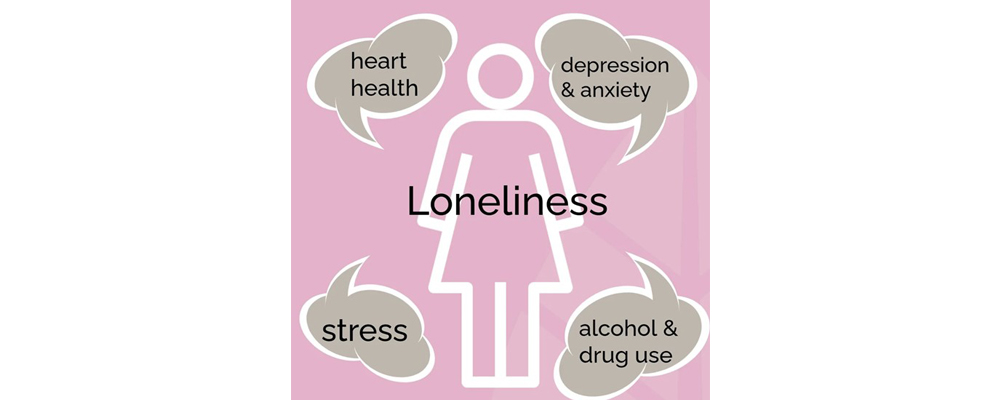
(Common myths about loneliness)
The silence doesn’t just affect the young. Elderly parents and in-laws carry mental burdens that often go unacknowledged. Many hesitate to express health concerns or emotional needs, worrying they might seem demanding. Their pain, internalised over decades, grows quietly.
Farmers in rural India, burdened by debts and failing crops, often find no one willing to listen to their despair. In cities, young men working long hours hide their exhaustion because they are expected to be the pillars of their families. Unable to express their struggles, many quietly collapse under the weight of expectations.
Patriarchy, often mistaken as a system that benefits men, harms both genders equally. Women are told their pain is part of their duty, while men are told their emotions are shameful. Neha must smile while working endlessly; Arjun must sit in silence while being reminded he is “not man enough.”
Breaking this silence begins with listening. Elders need to show compassion rather than judgment. Instead of taunting a daughter-in-law for being tired, a mother-in-law could say, “You’ve done so much already, let me help you.” Instead of mocking a son for not earning enough, a father could tell him, “I know you’re trying your best. Don’t lose hope.”
Imagine the healing power of a husband saying to his wife, “I see how much you do, and I’m grateful,” or a parent telling their son, “It’s okay to cry. It doesn’t make you less of a man.”
Strength Lies in Listening, Not Silence
The truth is, every Indian home has its own Nehas and Arjuns—people who smile through their struggles while breaking inside. A teenager spending hours locked in their room is not arrogant; they are possibly battling loneliness and fear. A wife asking for five minutes of rest is not lazy; she is human.
It is time we build homes where love is louder than taunts, where listening matters more than judging. Replace “Log kya kahenge” with “Your pain is ours too.”
When both men and women are free to express themselves without shame, we will raise a generation unburdened by the silence we endured. Because sometimes, the most powerful change begins with the simplest question: “Are you okay?”
Let us be the ones to break that silence. Strength is measured not by silence, but by love, compassion, and the courage to care.
0 Comments