
The author is a trauma-informed counsellor with experience walking alongside vulnerable and minoritised communities across mental health, advocacy, and systemic change.
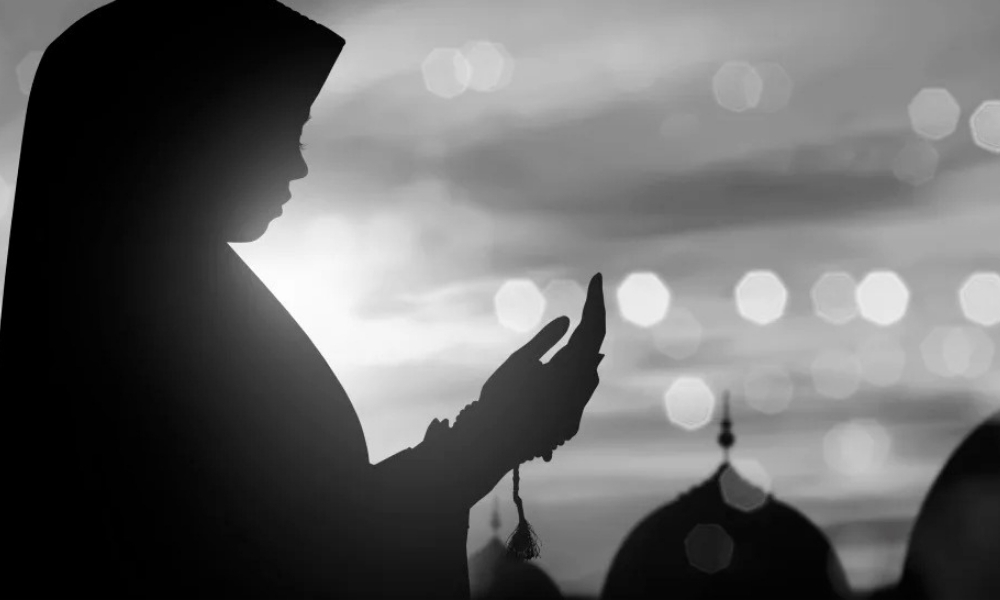
I often think of the void he left behind.
The void in me, which is selfishly the most primal to me. It is not the experience of grief I mention, but that my personhood, in all its intricacies and utter lack of comparability, feels incomplete without him.
Every vacation as an expat kid, what I would look forward to is the endless conversations on everything ranging from Islamic revivalism to the mango tree that adorned the front yard. As a child, I would wear this as a feather in a non-existent crown, but as I have aged, as I came to experience the full-fledged meaning of what it means to grow up around an ardent seeker of knowledge, I have only taken this relationship in with ultimate gratitude to The Creator who favoured it into existence.
In a world that preached, with negligible discontinuity, what the responsibility of women is in marriage—and often normatively linked marital disharmony to a woman’s rejection of her roles—he wrote and cautioned men that their responsibilities were, in fact, more burdenable. From emphasising the gravity of falling short in duty and kindness toward one’s wife, to extending its significance to the simplest acts of care—placing a morsel of food (in an act of mawaddah) in a wife’s mouth as a virtuous deed—he returned the conversation to justice in the private sphere. A collective void, where stating the obvious would be counternormative, if not problematic, in a society far from gendered justice.
To me, such a feeling of loss goes beyond the melancholy of what was (which, too, is part of grief, alhamdulillah). Whenever the hustle of doing what we must—seeking and practising knowledge—and engaging in what sustains it—the manual work that provides—renders the former strenuous to bear, I evoke the image of him.
On that desk on the front verandah, reading and writing. Manuscript after manuscript. I did not think much of it then, except as something he necessarily enjoyed, and only because of which he was able to be disciplined. Yet today I know (or at least I think) that enjoyment may have had little to do with it. The only enjoyment, in the way that truly matters, must have come from pursuing purpose; and the discipline must have come from embodying the dunya as a temporary site of struggle; from internalising the absurdity of centering dunya in the yearn for rest, when an inimitable restful jannah awaits the striver.
When I say my personhood feels incomplete,
it is in bearing the absence of such a co-traveller whose memories teach me how to truly be a traveller, all while remaining grateful to an Ever-Merciful Host and striving to perfect traveller etiquette. It is to miss him patting my head with a mischievous smile through my tired sighs, before humbling me by reminding me what a blessing it is to feel burdened by what one has chosen.
If the experience of grief through my mother’s passing opened me to the everyday practice of sabr amid the turbulence of the dunya, then the grief over my grandfather extends that horizon—reframing discomfort not as a personally exceptional burden, but as the very condition of the dunya itself: a site of ‘struggle’, in every sense of the word.
Very deep and inspirational… maasha Allah. You r such an amazing writer, Allahuma baarik